


Protests in Atlanta Mark a Growing Movement
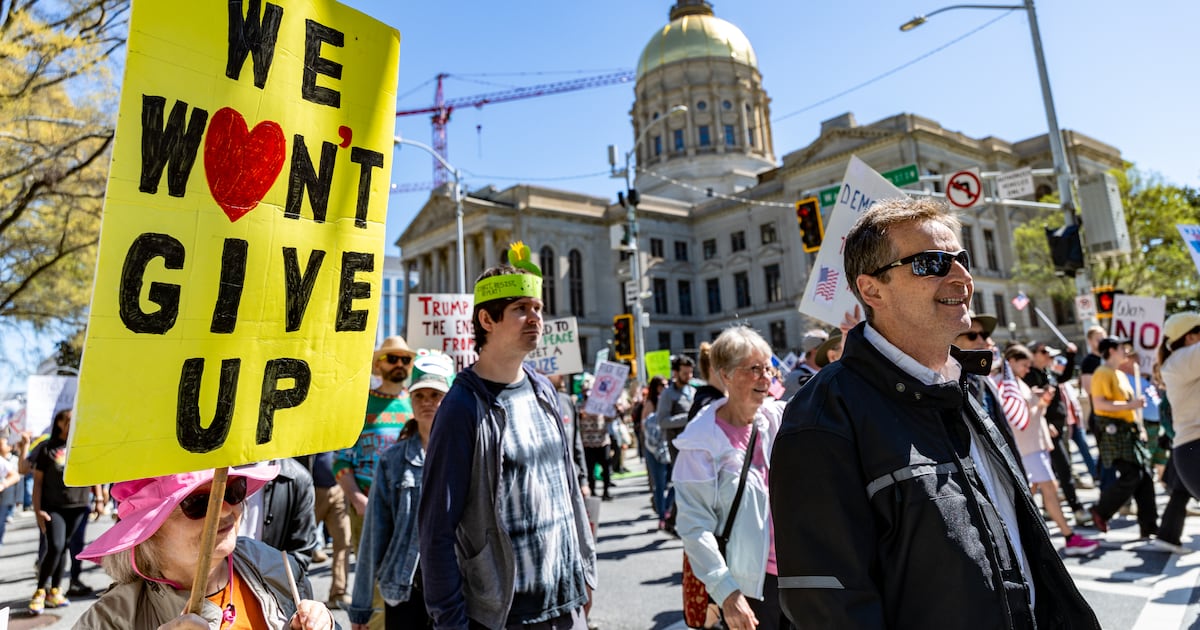
On Saturday, March 28, 2026, Atlanta witnessed a significant protest dubbed the “No Kings” event, drawing thousands of participants. The rally commenced at the Memorial Drive Greenway and progressed around the Georgia State Capitol.
Senator Warnock’s Remarks
During the event, Senator Raphael Warnock delivered a powerful speech, asserting that former President Donald Trump embodies an outdated system destined to fail. This statement resonated deeply with attendees who see the protest as a stand against what they view as an autocratic governance style.
Costumes and Patriotism
In an unexpected twist, Aaron Cobb, unable to find an inflatable frog costume, opted for an eagle outfit instead, showcasing a blend of humor and patriotism. Many participants waved American flags, a gesture that reinforced the event’s theme of expressing dissent while emphasizing national pride.
High Participation Numbers Reported
Atlanta police estimated that around 6,000 individuals took part in the “No Kings” march. However, organizers from the Georgia Indivisible Coalition claimed that the number of participants was closer to 22,000, highlighting the event’s significant impact and reach within the community.
Unity Amidst Diverse Perspectives
Despite the contentious political climate, the rally fostered a sense of unity among attendees. Many participants felt their presence contributed to a collective call for change, advocating for a more equitable political landscape. The event underscored the diverse perspectives within the group, all united against perceived injustices.
Visual Symbols of Dissent
Many demonstrators proudly waved flags, creating a vibrant atmosphere that contrasted sharply with the serious undertones of their message. The imagery of flags fluttering in the wind served as a poignant reminder of the complexities surrounding patriotism and dissent in modern America.
Looking Ahead
The “No Kings” protests represent a broader movement within the Atlanta community, addressing concerns about governance and individual freedoms. As public engagement continues to grow, such events are likely to remain central to discussions about democracy and civic responsibility.
