


Government Announces N3.3 Trillion Debt Settlement for Power Sector
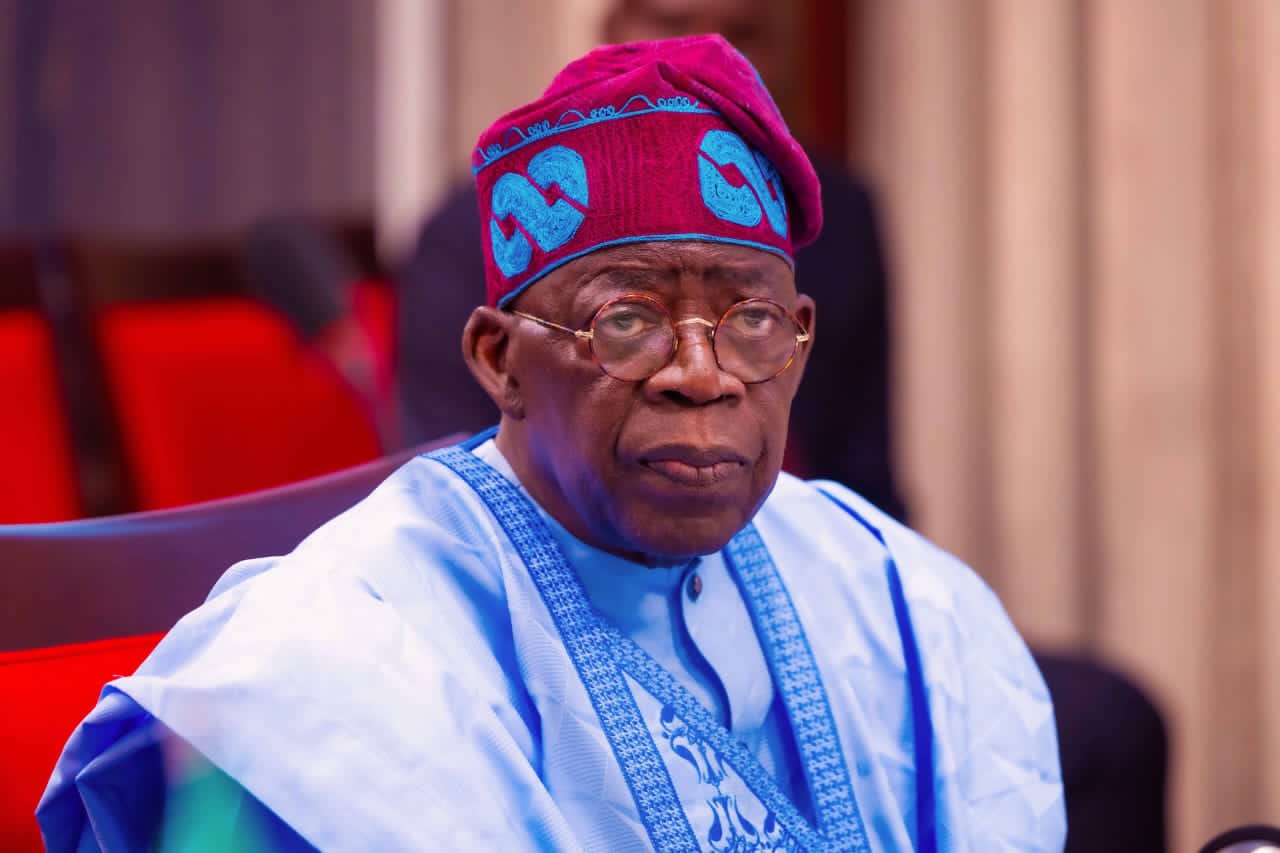
President Bola Tinubu has officially approved a N3.3 trillion payment plan aimed at settling the long-standing debt within Nigeria’s power sector. This initiative is part of the Presidential Power Sector Financial Reform Programme.
The announcement was made via a statement from Bayo Onanuga, the Special Assistant to the President on Intelligence and Strategy, on Sunday.
The statement emphasized that the decision was reached following a thorough review of the legacy debt that has burdened the power sector for over a decade.
Legacy Debt and Initial Payments
The government highlighted that this debt was amassed between February 2015 and March 2025, ultimately settling on N3.3 trillion as the final amount. Implementation of the plan is already underway, with 15 power generation companies signing settlement agreements totaling N2.3 trillion.
According to Onanuga, the federal government has already disbursed ₦501 billion, comprising ₦223 billion from disbursement funds, and additional payments are in progress.
This intervention arrives at a critical time, as Nigeria is experiencing ongoing power shortages that force households and businesses to rely heavily on alternative energy sources, such as petrol and diesel generators, as well as solar power. The national grid has suffered multiple collapses this year, leaving millions without electricity.
This ongoing power supply crisis has considerably raised operating costs for businesses, many of which are now redirecting these expenses onto consumers through increased prices for goods and services.
Labor Unrest and Industry Concerns
The approval of the settlement plan comes in the wake of criticism from the Nigeria Labor Congress (NLC), which has previously denounced financial intervention demands by power producers. In February, the NLC referred to a reported N6 trillion demand from these companies as a “secret plan” aimed at misappropriating public funds under the pretense of sector support.
The NLC accused the Association of Power Generating Companies (APGC) of seeking unjust relief. They argue that the privatization of the power sector has failed to enhance generation capacity or ensure reliable services. Central to the dispute is the government’s consideration of a N3 trillion intervention for Generation Companies (GENCO).
The union refuted claims that it lacks the necessary expertise in power market dynamics, asserting that its affiliates include workers in the sector. The NLC raised concerns about assets allegedly acquired for approximately 400 billion naira, which are now implicated in demands reaching trillions of naira, even as production levels remain stagnant since privatization.
Projected Outcomes of the Debt Resolution
The federal government anticipates that resolving the debt will enhance liquidity within the electricity value chain and stimulate increased power generation. Timely payments to both gas suppliers and power generation companies are expected to stabilize operations and improve service delivery.
Olu Aworolo-Verheijen, Special Assistant on Energy to the President, stated that the initiative aims not only to address legacy debt but also to restore functionality and build confidence in the power sector. He noted, “This program is about ensuring that gas suppliers are paid and power plants remain operational.”
This initiative is part of broader reforms aimed at enhancing metering and introducing service-based tariffs linked to the quality of electricity supplied. Emphasizing the importance of reliable electricity access, the government expressed its commitment to prioritizing supply for industries, businesses, and small to medium-sized enterprises to foster economic growth and job creation.
President Tinubu applauded the contributions of stakeholders involved in tackling enduring challenges in the power sector and confirmed that the second phase of the program will commence later this quarter.
