


Iran Issues Stark Warning Amid Escalating Tensions in the Gulf
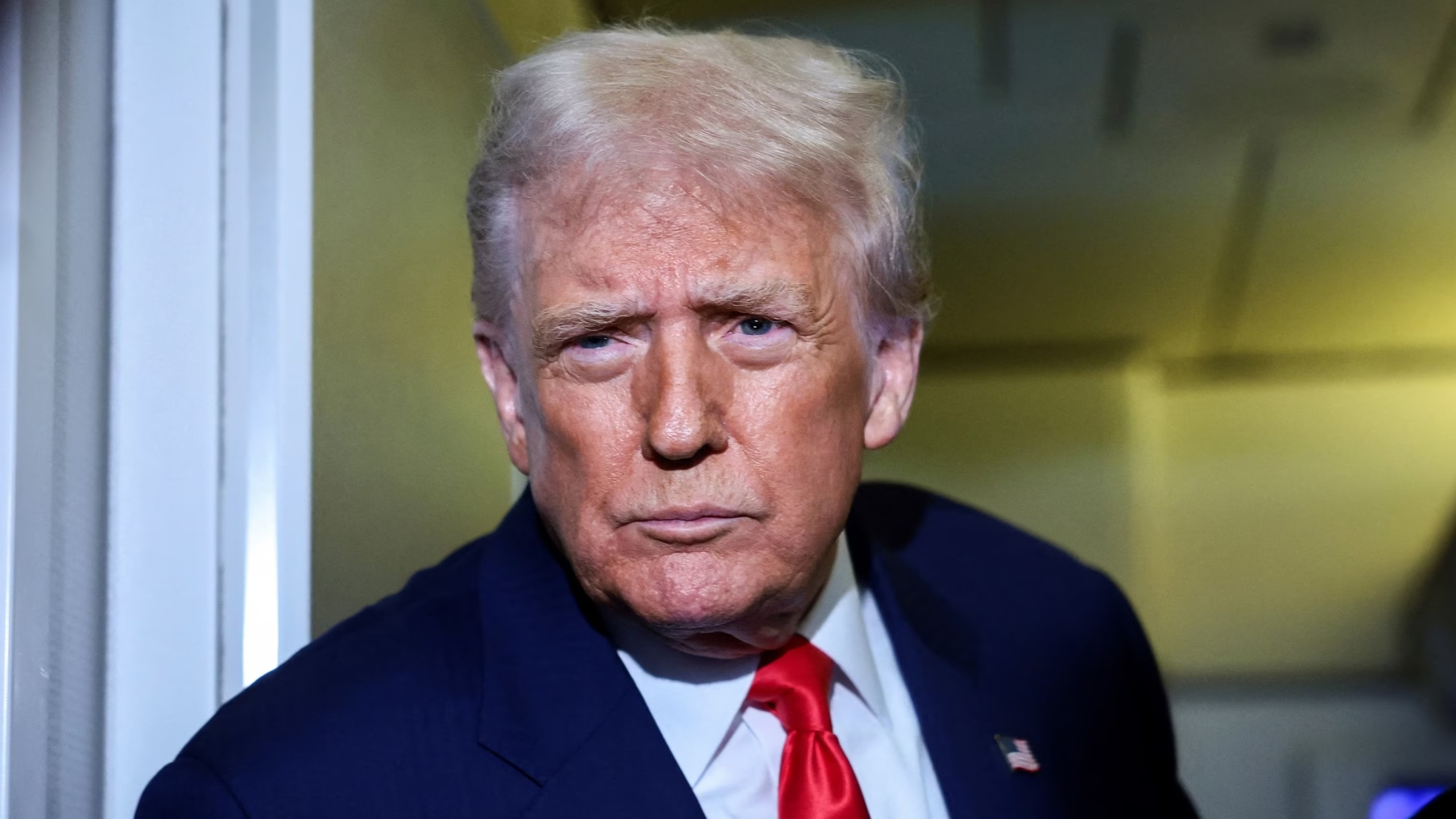
US President Donald Trump delivered a firm 48-hour ultimatum to Iran on Wednesday, demanding the nation reopen the crucial Strait of Hormuz or prepare for severe military repercussions. This latest escalation marks a significant shift in the ongoing conflict characterized by downed aircraft, intensified regional bombardments, and rising concerns about nuclear security. In retaliation, Iranian officials threatened that further hostilities could plunge the Gulf region into chaos.
Reward Offered for U.S. Pilot Missing After Aircraft Downing
A reward of $66,100 (£50,000) has been issued for information regarding a missing American pilot following the downing of a US fighter jet over Iranian territory. This incident has heightened tensions and prompted an urgent search-and-rescue mission. On Truth Social, President Trump referenced past threats to Iran’s energy infrastructure, warning of dire consequences if Iran does not comply. The ultimatum follows a series of mixed signals from Washington, oscillating between aggressive threats and calls for diplomatic dialogue.
Conflict Marks Six Weeks of Violence and Market Disruption
Entering its sixth week, the conflict, which began with a coordinated action by the US and Israel on February 28, has resulted in significant casualties and disruptions to oil flow through the Gulf, impacting global markets. In a stark message posted on social media, Trump reminded followers of a prior ultimatum given to Iran, stating that time is running out. With only 48 hours left, he hinted at catastrophic outcomes for Iran if it fails to act.
Search for Missing Pilot Complicated by Military Actions
As President Trump set new deadlines, the US military continues its search for the missing pilot after successfully rescuing the co-pilot of an F-15 that was downed. Concurrently, Iran has ramped up missile attacks against US allies in the Gulf. Following a previous extension of the March deadline, the situation remains precarious.
Drone Attacks Widen Battlefield Beyond Traditional Warfare
The conflict has expanded into the realm of civilian infrastructure, with a drone strike attributed to Iran damaging the Dubai headquarters of Oracle, a prominent US tech company. Iranian officials have accused major American tech firms of espionage, identifying them as legitimate military targets. Additionally, a fresh assault near the Bushehr nuclear power plant has raised alarms about a potential nuclear incident, as the facility has been targeted multiple times throughout the conflict, leading to significant local damage and casualties.
Iranian Leadership Faces Fallout from Recent Attacks
Late Wednesday, Trump claimed that a significant offensive had resulted in the deaths of numerous Iranian military leaders in Tehran. His remarks were accompanied by a video purportedly showing the aftermath of substantial explosions in the city. However, it remains unclear when these military actions occurred. Iranian spokespersons retaliated, warning that continued US aggression could lead to devastating consequences for American interests in the region.
Bounty Placed on Missing American Airman Amid Rescue Efforts
As tensions peak, Iran’s announcement of a $66,100 (£50,000) reward for the American airman missing since the F-15 incident underscores the escalating stakes. This marked the first time in over four decades that a US F-15 had been shot down in combat. While one crew member was rescued during a perilous operation, the second remains unaccounted for, prompting Iranian state media to urge public assistance in the search.
Broader Geopolitical Implications Emerge from Ongoing Crisis
In response to escalating threats, Russia has begun evacuating personnel from nuclear facilities in Iran, moving 198 workers to the Iran-Armenia border amidst increasing safety concerns. The geopolitical ramifications of the situation also raise alarms about potential disruptions to the Bab el-Mandeb Strait, another crucial maritime corridor, further complicating global trade dynamics that rely on safe passage for oil and natural gas transportation.
