


Iran Targets Energy Facilities Amid Escalating Conflict
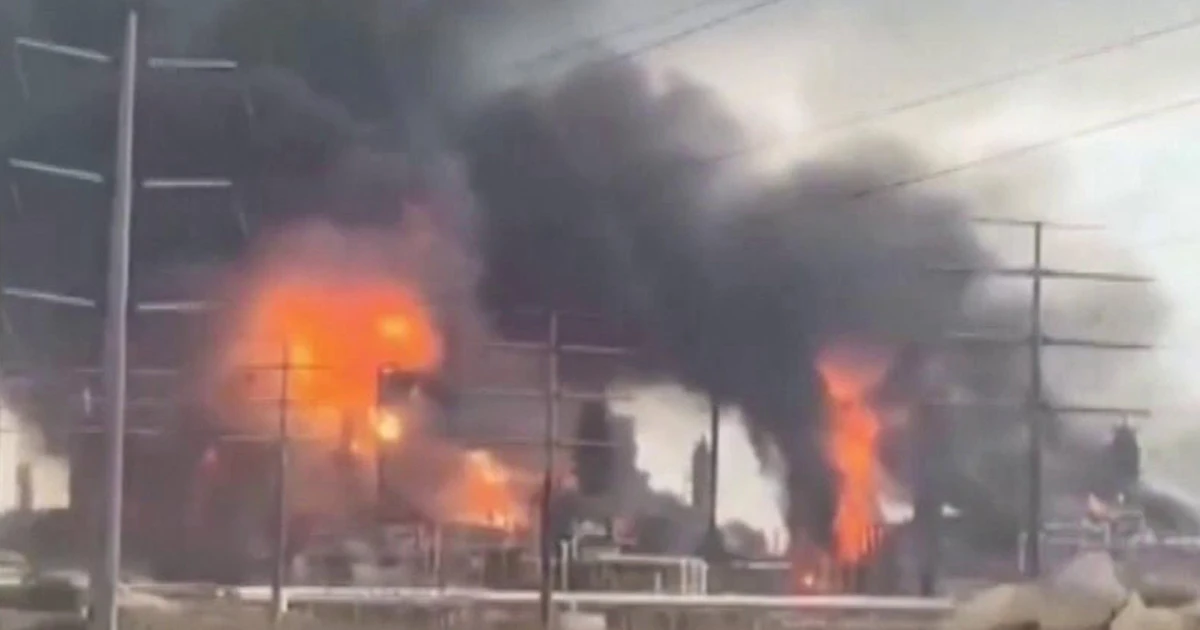
In a significant escalation of tensions in the Middle East, Iran has launched attacks on oil and gas facilities in several Gulf countries, including Saudi Arabia, Qatar, the United Arab Emirates, and Kuwait. This aggression comes as perceptions grow that the ongoing conflict is evolving into a battle for global energy supplies. Iran claims that these actions are a direct response to Israel’s assault on the South Pars natural gas refinery, which holds the world’s largest gas reserves.
Trump’s Response to Iranian Threats
U.S. President Donald Trump has publicly distanced the United States from the initial strike on South Pars, asserting that American forces were not involved. Nonetheless, he issued a stark warning, threatening full-scale retaliation against Iran if further attacks on Qatar occur. The heightened rhetoric from Washington underscores the fragile balance of power in the region and the potential for broader ramifications on global energy markets.
The Global Implications of Regional Conflicts
The rapid escalation of hostilities in the Gulf region has significant implications for global energy markets, with analysts noting potential volatility in oil and gas prices. As countries scramble to secure energy supplies, fears of disruptions in the supply chain continue to grow. This situation has prompted energy companies and governments alike to reassess their strategies for safeguarding access to resources crucial for both economic stability and national security.
Expert Opinions on Iran’s Motives
Experts suggest that Iran’s recent military actions may serve multiple purposes, including demonstrating strength to both domestic audiences and international opponents. By targeting key energy infrastructures, Iran aims to signal its capabilities and willingness to retaliate against perceived aggressions from Israel and its allies. This strategy could potentially alter the dynamics of negotiations related to the nuclear program and broader geopolitical relationships.
Market Reactions to Rising Tensions
Market analysts have noted fluctuations in crude oil prices following news of the attacks, reflecting investor concerns regarding supply stability. The ongoing skirmishes pose a threat to the already precarious oil market, which has witnessed significant price volatility in previous conflicts in the region. Investors and traders are closely monitoring developments, as any significant shortfall in production from the Gulf could lead to widespread increases in fuel costs globally.
International Reactions and Future Escalations
The international community is watching closely as the situation unfolds. Allies of the U.S. in the region are increasing military readiness and exploring diplomatic avenues to de-escalate tensions. Analysts caution that without concerted efforts to mediate, the risks of further military confrontations remain high, potentially leading to a full-scale conflict that could involve multiple countries and disrupt global economic stability.
The Importance of Stability in Energy Markets
The ongoing situation highlights the interconnected nature of international conflicts and energy markets. As nations grapple with the implications of regional instability, the focus shifts toward finding solutions that ensure the uninterrupted flow of energy resources. The stakes are particularly high given the reliance of many countries on Middle Eastern oil and gas, making this conflict a focal point for both regional policy and global economic health.
