


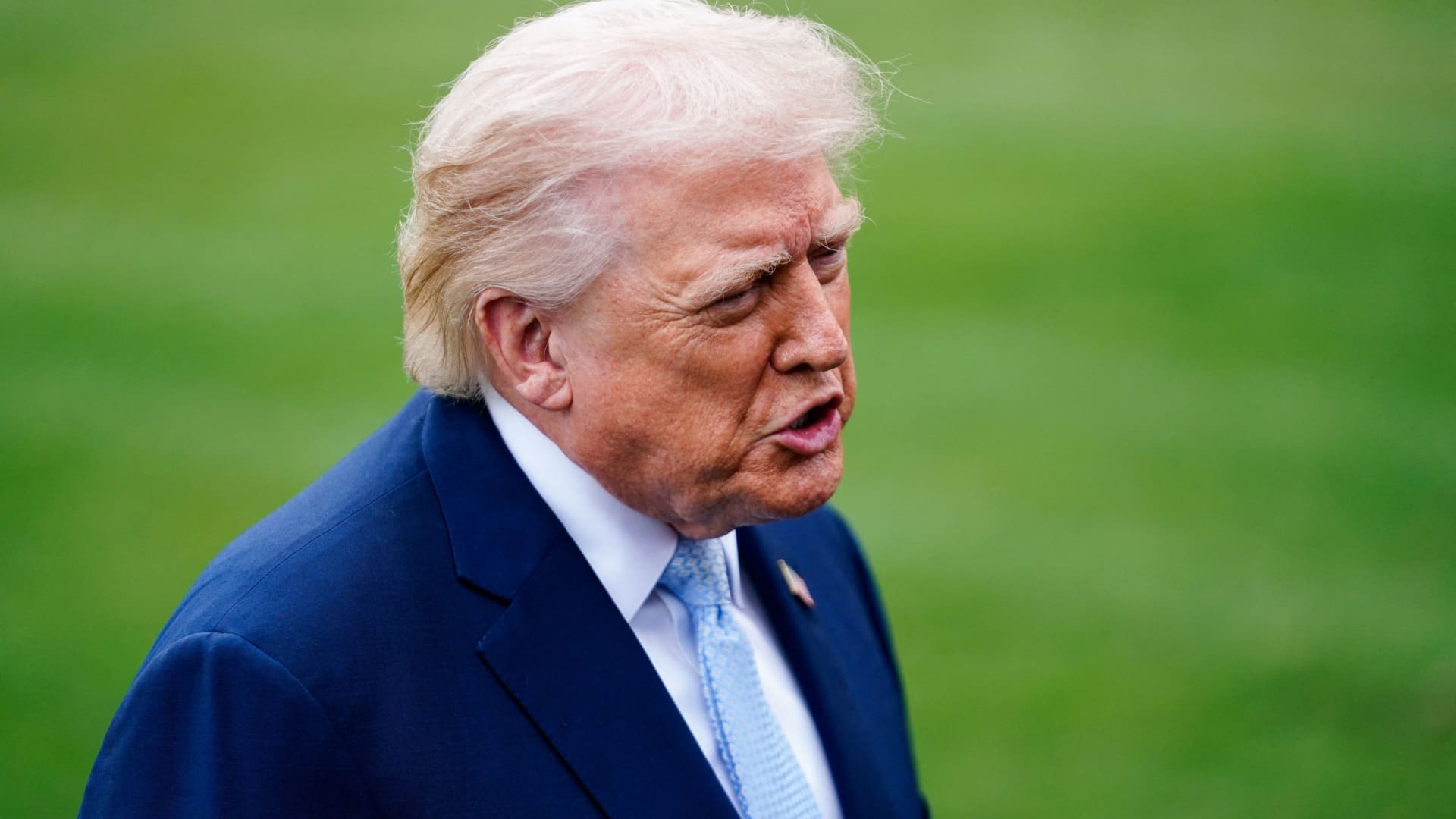
Trump Warns of Federal Immigration Agents at Airports
President Donald Trump issued a warning on Saturday, threatening to deploy federal immigration agents to U.S. airports unless Congressional Democrats agree to fund the Department of Homeland Security (DHS) without delay.
In a message on Truth Social, Trump stated that he would dispatch “talented, patriotic” ICE officers to provide unprecedented airport security. His administration has faced substantial criticism for its aggressive deportation strategies implemented by Immigration and Customs Enforcement and Border Patrol agents.
Trump claimed that ICE officers stationed at airports would specifically target immigrants residing illegally in the U.S., particularly those from Somalia. Later that day, he reiterated his plan, stating that ICE would begin operations as soon as Monday and instructed agents to “get ready.”
When the media sought comments, the White House directed inquiries to Trump’s social media postings. The DHS did not immediately respond to requests from CNBC regarding the issue.
Senators Discuss Immigration Enforcement Amid Shutdown
A bipartisan group of senators convened with Homeland Security Border Secretary Tom Homan to discuss additional immigration enforcement measures proposed by the White House. This meeting aimed to address concessions necessary to end the current partial government shutdown, according to Politico, which cited sources familiar with the discussions.
Although the Senate was in session over the weekend to tackle other legislative matters, the likelihood of further discussions or votes on DHS funding remained uncertain. The ongoing impasse reflects a broader struggle between Democrats, who are pushing for changes in federal immigration enforcement tactics, and the Trump administration.
Impact of DHS Funding Lapse on Airports
The current DHS shutdown, while less disruptive than last year’s prolonged shutdown, is still causing significant issues. A substantial portion of DHS employees are deemed essential, compelling them to work without compensation. The consequences of funding lapses and delayed paychecks are being felt acutely across U.S. airports.
Workers from the Transportation Security Administration (TSA) are increasingly quitting or calling in sick, contributing to the rising security line times observed at airports like Newark Liberty International. Travelers have reported wait times exceeding one hour, exacerbated by both staff shortages and a surge in passenger numbers during the spring break travel season.
Transportation Secretary Warns of Airport Closures
Transportation Secretary Sean Duffy cautioned that if a deal is not reached, the current conditions at airports may worsen significantly. He warned that small airports may face complete closures due to staffing shortages. On Friday, Duffy expressed that the current issues are just a glimpse of more severe problems that could arise without appropriate legislative action.
Elon Musk, CEO of Tesla and a former Trump advisor, proposed to financially support TSA workers during the shutdown. Musk expressed a desire to cover their salaries, stating, “I would like to offer to pay the salaries of TSA employees” amid the ongoing financial crisis impacting many Americans at airports.
Musk’s Proposal Faces Uncertainty
While Musk’s intentions were clear, the feasibility of his proposal remains ambiguous. According to recent reports from the Associated Press, TSA agents earn an average salary ranging from $46,000 to $55,000. Questions linger regarding how Musk’s offer would be actualized and whether it would gain any traction with authorities or employees.
Historical Context: Previous Shutdown and Military Pay Issues
In the backdrop of the current shutdown scenario, last year President Trump revealed that a philanthropist provided $130 million to address military pay shortages resulting from an earlier government shutdown. That donor was later identified as Timothy Mellon, a member of a prominent Gilded Age banking family. However, the financial assistance translated to around $100 for each military service member, an insufficient amount considering the nearly $6.4 billion required to pay the military biweekly.
Additionally, such donations may have run afoul of the Anti-Deficiency Act, which prohibits federal entities from utilizing funds not appropriated by Congress, according to The New York Times.
— Reporting contributed by Annie Nova and Dan Mangan.
