


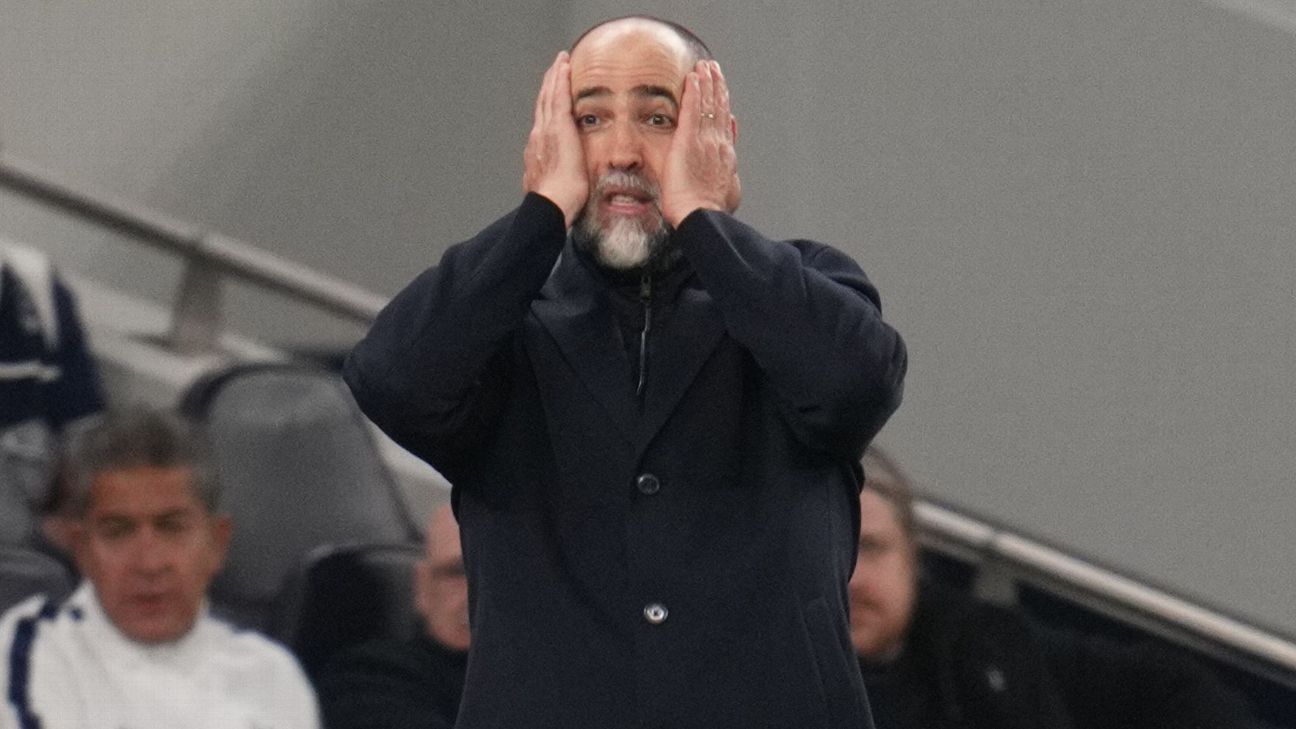
Igor Tudor’s brief tenure at Tottenham Hotspur will likely be remembered as a desperate gamble that failed to ignite the team’s fortunes. Just 43 days after taking the helm to replace Thomas Frank, Tudor and Spurs have parted ways. His primary mission was to enhance performances, achieve results, and elevate the club’s standing in the Premier League, a task that proved to be far more elusive than anticipated.
What started as an intriguing appointment quickly devolved into chaos. Depending on future developments, Tudor’s short-lived stint might either exacerbate Tottenham’s struggles with relegation or simply become a minor footnote in what is shaping up to be one of the bleakest seasons in the club’s 143-year history. Since last season, Spurs have suffered a staggering 46 losses across all competitions. Although they had recently celebrated triumph in the UEFA Europa League under coach Ange Postecoglou, the deterioration of their domestic form began late last year and appears far more entrenched than anyone could have predicted. This has led to growing anger and apathy among the fan base, who feel the club’s lack of direction from its ownership spells doom.
According to sources, Tottenham is now pursuing Roberto De Zerbi as their next head coach. Initial discussions suggest that the Italian is open to the role, but conditions hinge on Tottenham retaining their Premier League status through the remainder of the season. With the club in dire standing after Tudor’s departure, Spurs are eager to secure a new leader who can halt their downward spiral for a third time this season.
Challenging Beginnings
In a rare media interview on February 20, sporting director Johan Lange discussed the rationale behind Tudor’s appointment. He emphasized that many candidates were considered, but Tudor left a lasting impression during the interview process, bolstered by his extensive experience in high-stakes football.
Lange noted the challenges that come with mid-season transitions, highlighting that successful coaches need to establish relationships with players quickly. Tudor’s history at clubs like Udinese and Juventus showed a pattern of improving teams’ performance rapidly, creating hope within the Tottenham ranks that he could similarly uplift their beleaguered squad.
However, Tudor’s expectations of boosting player health were complicated by the absence of his assistant Ivan Javorčić due to work permit issues. Nevertheless, he pictured a proactive approach, stating his absolute confidence that relegation would not be a concern. Unfortunately, that belief was abruptly challenged as Spurs found themselves one point above the relegation zone.
Operational Misfires
Tudor’s first match brought a daunting challenge against Premier League leaders Arsenal. Despite entering halftime with a solid 1-1 draw, Spurs ultimately fell 4-1, which highlighted systemic issues within the team. Following the match, Tudor expressed frustration, challenging his players to confront uncomfortable truths about their capabilities and commitment. This reflection, however, did little to mitigate subsequent defeats, including a disappointing 2-1 loss to Fulham.
Even amidst losing streaks, Tudor’s comments about the squad’s effort raised eyebrows within the organization. After a third consecutive defeat to Crystal Palace, his contradictory optimism about the players offered little reassurance to a beleaguered fanbase. Meanwhile, tactical changes, including an unorthodox lineup adjustment, only served to compound existing problems, leaving many questioning his judgment.
Unfortunate Decisions and Consequences
Notably, Tudor’s decision to bench first-choice goalkeeper Guglielmo Vicario in favor of Antonin Kinski backfired spectacularly. Kinski’s shaky performance—marked by immediate mistakes—forced him off the field just 17 minutes into a Champions League match, setting a record for the fastest goalkeeper substitution in the tournament’s history. The surprising decision was met with a mix of confusion and disappointment among players, many of whom were dismayed by Tudor’s cutting remarks about their collective character.
Following a 5-2 rout in Madrid, calls for Tudor’s dismissal started surfacing from within the fanbase. Speculations about his future continued amidst mixed signals after a slight uptick in form against Liverpool. Although Spurs managed to draw against the Reds despite missing multiple key players, their subsequent triumph over Atlético Madrid proved fleeting as they faced elimination from the Champions League.
Turnaround Attempts Fall Short
Eager to rally support, Tottenham made spirited efforts to engage fans ahead of crucial matches, including a promotional campaign before their clash with Nottingham Forest. Initial excitement fizzled out as Spurs succumbed to a 3-0 defeat, further sinking their hopes of avoiding relegation. With injuries hindering the squad and an apparent disconnect growing between the club and its supporters, the environment only worsened as Tudor’s term dragged on.
Tragedy struck during this tumultuous period when Tudor learned of the passing of his father, leading to a compassionate leave of absence. Ultimately, both parties mutually agreed to terminate Tudor’s contract as the quest for a new managerial direction commenced. The search for a solution is now in the hands of Lange and CEO Vinay Venkatesham, who face pressing questions about their decision-making process and the tenure of Tudor. As they eye De Zerbi as a potential candidate, one thing is clear: failing to secure the right leadership could spell disaster for Tottenham’s already fragile structure.
