


U.S. Eases Sanctions on Iranian Oil Amid Rising Energy Prices
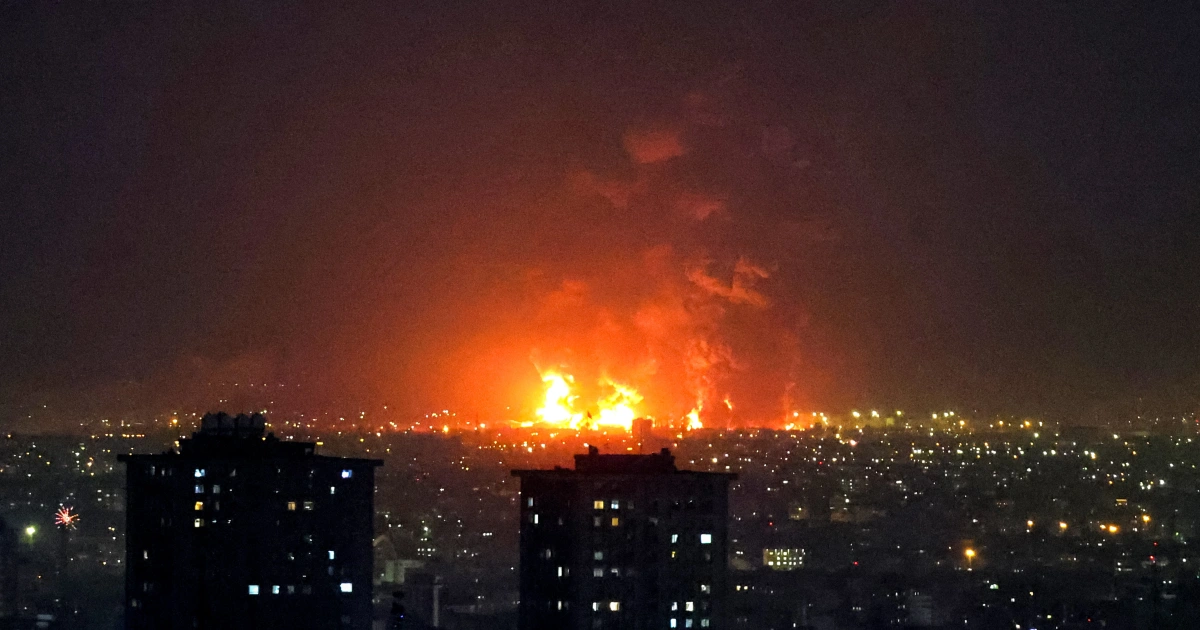
In a surprising wartime development, the United States has initiated steps to relax sanctions on Iranian oil in a bid to address skyrocketing energy prices. This move could provide a financial boost to Iran as the U.S. seeks to mitigate the economic repercussions of ongoing military operations.
Temporary Measures Aimed at Increasing Global Supply
Treasury Secretary Scott Bessent announced on Friday that the sanctions, originally put in place following Iran’s 1979 revolution, will be temporarily adjusted. These changes are designed to permit the sale of Iranian crude oil that is currently held at sea. Bessent clarified that this adjustment is “narrowly tailored” and will be short-lived.
Boosting Global Energy Markets
By temporarily allowing access to existing oil supplies, the United States aims to deliver around 140 million barrels of oil to global markets. Bessent emphasized that this move would enhance global energy capacity and alleviate some of the immediate supply pressures attributed to Iran.
Impact of Geopolitical Tensions on Global Oil Shipping
Approximately 20% of the world’s daily oil consumption is transported via the Strait of Hormuz, a crucial shipping lane along Iran’s coastline. However, since military conflicts emerged in late February, transport through this area has largely ceased, exacerbating supply issues.
Escalating Oil Prices and Economic Concerns
This year, retail gasoline prices have surged by 93 cents per gallon, while U.S. crude oil prices have increased by over 70%. Bessent indicated that the oil released under this new measure could bring more than $14 billion to Tehran at current market prices.
Strategic Oversights and Economic Consequences
Experts have voiced concerns that the decision to ease sanctions reflects a lack of strategic foresight, suggesting these measures may not significantly mitigate broader economic challenges. Danny Sitrinowitz, a senior Iran fellow at Israel’s Institute for National Security Studies, expressed skepticism about the effectiveness of such actions, stating that the U.S. might be inadvertently funding its own adversary.
Wider Implications of the Iran Conflict on Global Economics
Moritz Blake, a senior fellow at the Center for Advanced Security and Strategic Integration Research, remarked that the easing of sanctions suggests an underestimation of Iran’s resilience and its potential economic impact. He noted that the ongoing conflict has a “double impact” on related geopolitical tensions, particularly in relation to Russia’s war against Ukraine.
Market Reactions to Ongoing Conflicts
The escalating tensions have weighed heavily on market sentiments, resulting in a notable decline in stock prices—the worst four-week period since April 2025 when trade tariffs were a major focus. International Brent crude oil recently traded at around $111, reflecting an 8.3% increase for the week and an 84% increase year-to-date. United Airlines has responded by canceling select flights in anticipation of rising oil prices, with CEO Scott Kirby forecasting oil to potentially reach $175 per barrel by the end of 2027.
Future Outlook on Oil Consumption and Airline Operations
Kirby highlighted that jet fuel costs have doubled over the past three weeks. If current prices persist, United Airlines might face an additional $11 billion annually in jet fuel expenses, dwarfing their previous best financial performance. Industry analysts, including Citrinovic, warn that any sanctions relief will likely do little to alter the economic landscape as long as Iran maintains control over key shipping lanes, emphasizing the significance of geographical realities.
