


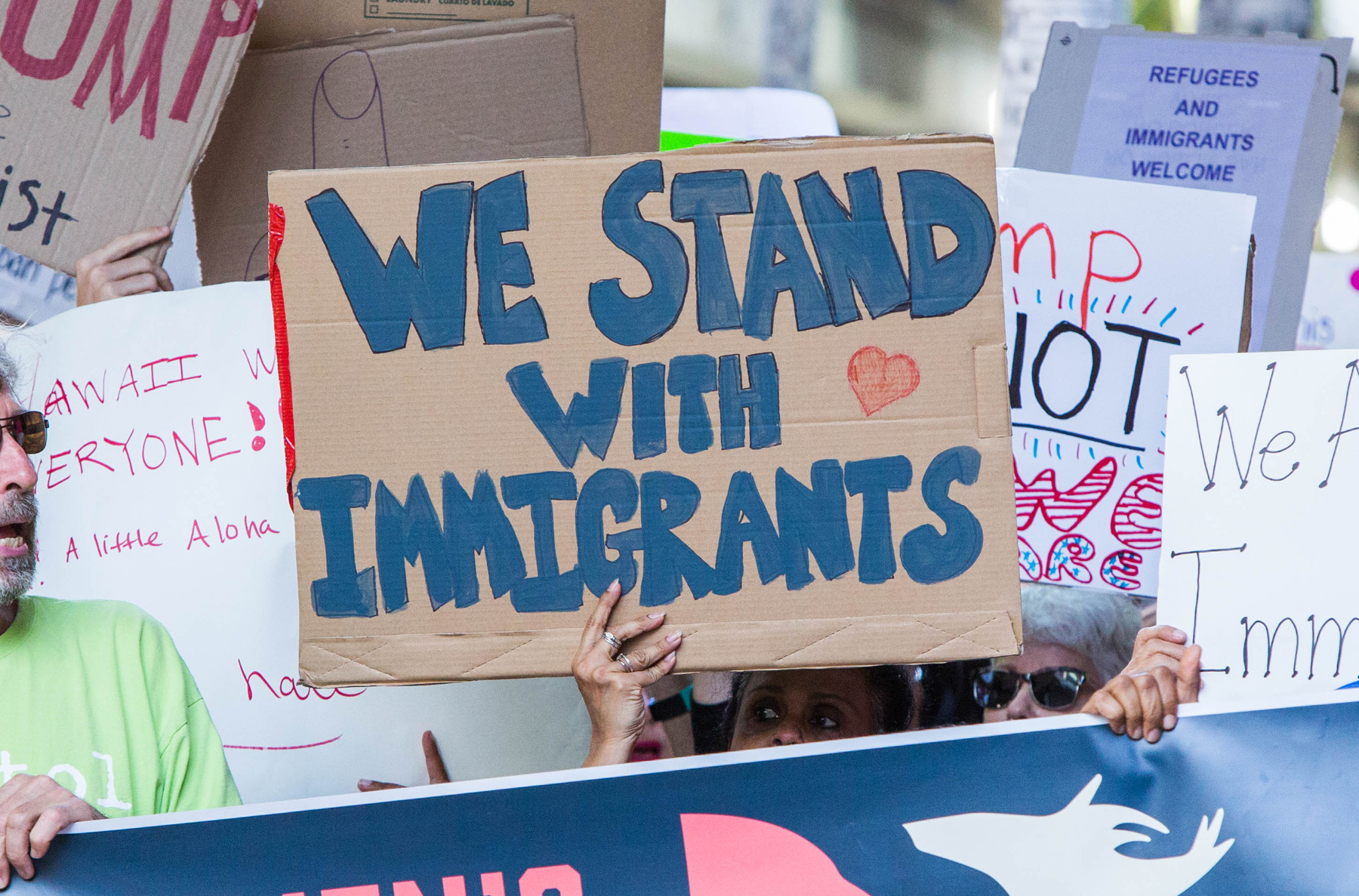
Delays and Costs Hinder Immigrants’ Pursuit of Stability
For many, immigration starts as a hopeful journey—a quest for security, stability, and the chance to build a better life.
Families often leave everything behind in search of this promise. This experience is personal for both me, Jussein Basilio, and my co-author, Adriana Jayne Soriano, who contributed to this Community Voice piece.
As an immigrant myself, my family came to the United States with dreams fueled by hard work and determination. Adriana shares a similar story, having immigrated from the Philippines with her family.
The Emotional Cost of Leaving Home
Leaving one’s home is never easy. I bid farewell to friends, relatives, and the familiarity of my childhood home. My family spent years making sacrifices, saving money, and fulfilling stringent requirements just to take the initial steps toward immigration.
After our paperwork was finally approved, we quickly learned that the journey of an immigrant doesn’t end upon arrival—it merely transforms. The U.S. immigration system is in dire need of reform, as enduring delays, expensive fees, and damaging stereotypes continue to impede biological families seeking to establish stable lives.
Stereotypes and Policy Implications
The interplay between stereotypes and immigration policy raises serious questions about public attitudes. Naina Gupta from the American Immigration Council points out that certain policies are “unfair and unwelcome,” granting law enforcement increased power to detain and deport individuals without enhancing community safety or effectively addressing systemic issues. These policies often deprive individuals who do not pose a threat of their due process rights.
Challenges of Processing Delays
Processing delays remain a significant barrier for immigrants, who must navigate a complicated maze of paperwork and stringent requirements before progressing to the next stages of immigration. While improvements have been noted by U.S. Citizenship and Immigration Services, many applicants still find themselves waiting for years with no guarantees. This uncertainty disrupts lives and subjects families to ongoing stress.
Financial Strain on Immigrant Families
The financial burden of immigration adds another layer of difficulty. Application fees, legal expenses, and transportation costs can be overwhelming for families operating on limited budgets. My family initiated the immigration process before I was born, and it took 12 years for our documents to be approved. We made significant sacrifices and exhausted our resources just to get started. For many families, the immigration journey transforms into a financial risk.
The Emotional Toll of Immigration
Beyond the bureaucratic hurdles, the emotional impact of immigration is deeply personal. Upon arriving in America, I was filled with excitement yet unprepared for the extensive changes ahead. I struggled to adjust and often faced judgment based on my accent and appearance. While immigration opened doors, it also introduced feelings of isolation and the pressure to prove my belonging.
Pathways to Reform
Reform is not only necessary; it is entirely feasible. Shortening processing times would alleviate the prolonged anxiety families face, and reducing application fees would make the process more accessible to working-class individuals. Providing multilingual instructions could further aid applicants by clarifying what to expect and minimizing unnecessary costs. Strengthening due process protections is essential to ensure fair treatment for immigrants within the legal framework.
Additionally, public education initiatives can challenge stereotypes, fostering a culture that views immigrants as individuals rather than stereotypes. Critics may express concerns that immigration reform could affect job markets and national security, but these issues must be balanced with the understanding that fairness, efficiency, and transparency ultimately bolster national security.
Immigration is not just about policy; it is the narrative of families seeking stability, opportunity, and the chance to contribute to their new homeland. They do not seek special treatment; they are asking for a fair chance. The essence of America has long been defined by individuals aspiring for a fresh start. That journey should not be obstructed by unnecessary delays, financial stress, or negative perceptions.
We must extend the respect and decency that immigrants deserve while building a system that reflects the values our country stands for. The dreams that bring families to our shores are worth far more than the obstacles they face—they deserve an opportunity to flourish.
