


FBI Arrests Relatives of Iranians Linked to Qassem Soleimani
The U.S. Federal Bureau of Investigation has taken into custody the niece and grandniece of the late Iranian military commander Qassem Soleimani. This development follows the decision by the Trump administration’s Secretary of State Marco Rubio to revoke their lawful permanent resident status, officials reported on Saturday.
Hamideh Soleimani Afshar and her daughter are now in the custody of U.S. Immigration and Customs Enforcement (ICE), as confirmed by a State Department statement. Rubio elaborated on social media, indicating that the mother-daughter duo is currently facing deportation from the United States. This action unfolds in the context of escalating military engagements between the U.S. and Israeli forces against Iran, highlighting the ongoing geopolitical tensions.
These recent detentions are part of broader efforts by the Trump administration to dismantle the legal immigration status of individuals perceived as connected to adversaries of the United States. Rubio emphasized that the administration is committed to ensuring that the country does not harbor foreigners who support terrorist regimes targeting American interests.
According to officials, Soleimani Afshar has openly celebrated military actions against Americans and has lauded Iran’s current supreme leader following the U.S. and Israeli airstrike that killed her predecessor, Ayatollah Khamenei. Furthermore, she has reportedly referred to the United States as “the great devil.”
The State Department asserts that Soleimani Afshar has shown “unflinching support” for the Iranian Revolutionary Guards Corps (IRGC) while maintaining a prosperous lifestyle in Los Angeles. U.S. authorities have cited her social media presence as evidence of her affluence and connections to the Iranian military establishment.
Alongside the revocation of Soleimani Afshar’s and her daughter’s permanent resident status, her husband has also been barred from entering the United States, as per official reports. This operation aligns with Rubio’s recent actions against other individuals linked to Iranian governmental figures, specifically targeting Fatemeh Ardeshir Larijani, daughter of Ali Larijani, previously a prominent official in Iran’s national security council.
In a similar vein, the U.S. State Department had previously canceled or declined to renew visas for several Iranian diplomats, including key members of its U.N. mission. This series of actions reflects a strategic approach by the Trump administration to exert pressure on individuals and entities associated with Iran amid ongoing geopolitical disputes.
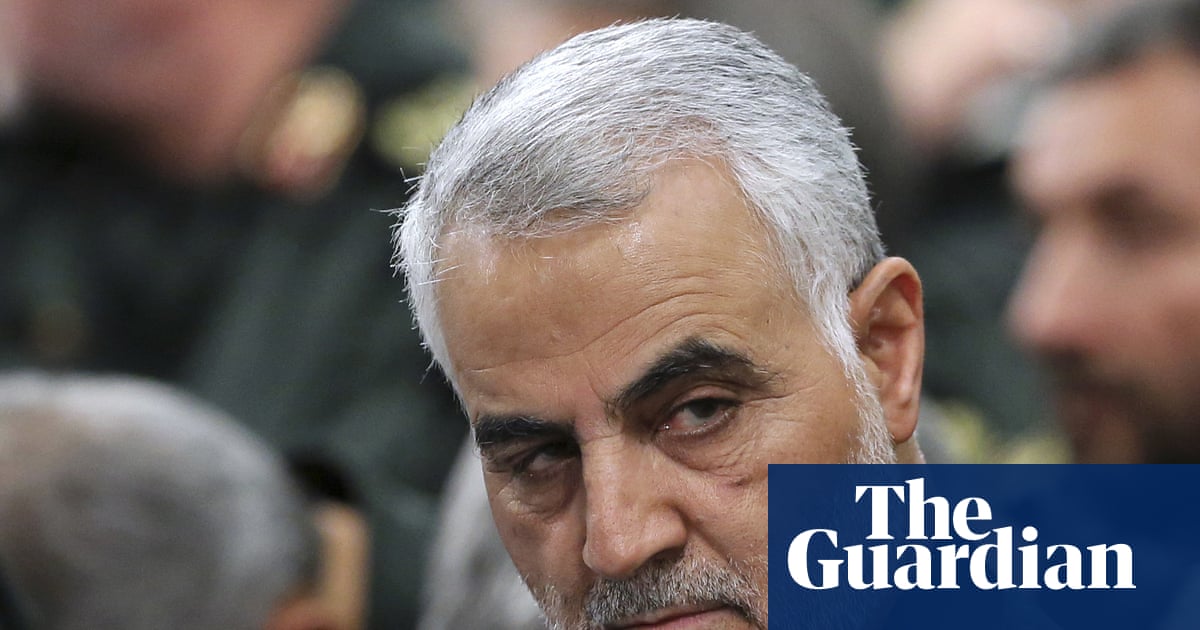
Qassem Soleimani, who held significant military authority in Iran, was killed in a U.S. drone strike in Baghdad in January 2020. His role was pivotal as commander of the Revolutionary Guards’ elite Quds Force, making him a central figure within Iran’s national security apparatus. The impact of his death continues to reverberate as Iranian officials have consistently vowed retaliation, indicating that the events surrounding Soleimani’s legacy will shape U.S.-Iran relations for the foreseeable future.
Former Iranian President Ebrahim Raisi expressed in early 2023 that the memory of Soleimani’s sacrifice remains a potent rallying cry for Iranian leadership, emphasizing a commitment to vengeance against those responsible for his death, suggesting that the cycle of retaliatory threats will persist far into the future.
