


House Republicans Block Bipartisan Senate Funding Agreement
House Republicans have dismissed a bipartisan Senate initiative aimed at temporarily funding the Department of Homeland Security (DHS), opting instead to advance their own funding proposal late Friday. This decision extends a protracted budget impasse that has already disrupted air travel across the nation.
The stopgap measure, designed to fully fund DHS for eight weeks, narrowly passed with a 213-203 vote. House Republicans rejected the Senate’s proposal, which did not allocate resources for Immigration and Customs Enforcement (ICE) and border security measures.
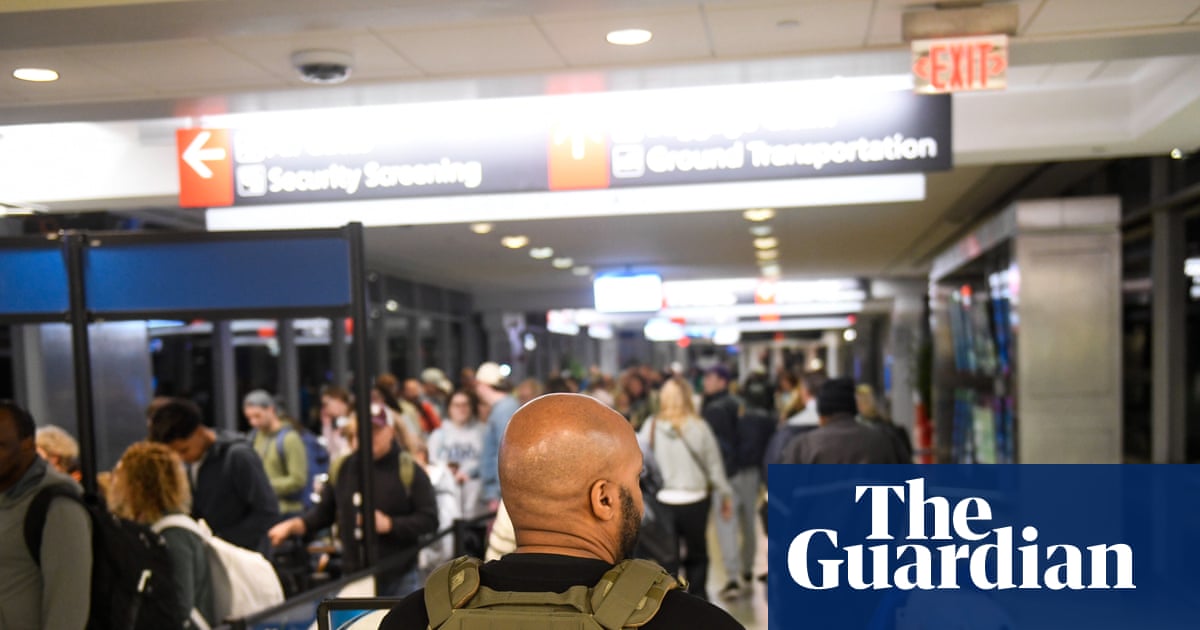
As a result of the ongoing standoff, thousands of airport security personnel have continued to work without pay, prolonging the crisis, despite the White House indicating that President Donald Trump has intervened to ensure that they will eventually receive compensation.
Senate Democrats Criticize Republican Funding Strategy
Senate Democratic Leader Chuck Schumer criticized the Republican funding proposal, declaring that any measure that perpetuates the current situation “is dead on arrival in the Senate, and Republicans know it.” He stressed that while Democrats are committed to funding essential homeland security operations, they will not provide unrestricted funding to support what they deem a “lawless” immigration enforcement approach.
The late-night vote followed House Speaker Mike Johnson’s disparaging remarks about the Senate’s bipartisan bill, which aimed to restrict funding to the agency responsible for implementing Trump’s contentious deportation policies, labeling it a “joke.”
Competing Funding Proposals from House Republicans
In response, House Republicans put forth an alternative bill that would guarantee full funding for Transportation Security Administration (TSA) personnel, immigration agents, and Border Patrol agents. This competing measure emphasizes the party’s focus on national security and immigration enforcement.
For the funding bill to take effect, both the House and Senate must agree on identical versions before it can proceed to the president’s desk.
Pressure Mounts Amid Federal Funding Shortfalls
In light of federal funding shortfalls and the ongoing disruptions at U.S. airports, the White House announced that President Trump signed a memorandum directing his administration to address the “unprecedented emergency” and secure the necessary resources to cover TSA salaries.
Before the House’s approval of the funding bill, DHS, which oversees several agencies including the TSA, posted on social media that “TSA employees should begin receiving paychecks as early as Monday, March 30.” This comes as TSA workers have gone unpaid since mid-February due to the partial government shutdown.
Government Shutdown Impact on Transportation Security
The ongoing impasse has led to significant delays for travelers. At Houston’s international airport, security lines have become excessively long, forcing staff to distribute bottled water as passengers wait, an Agence France-Presse reporter observed on Friday.
Democrats Demand Reforms for Immigration Enforcement
The funding controversy primarily revolves around Democrats’ calls for reforms to ICE, an agency criticized nationwide for its aggressive enforcement strategies. Earlier Friday, Senate votes approved funding for DHS that excluded ICE and Border Patrol for the year 2026, while also providing resources for the TSA, U.S. Coast Guard, FEMA, and other emergency services. However, the Democratic proposals for reform were notably absent.
Following substantial funding allocations to both ICE and Border Patrol in 2025, the lack of funding in the recent bill is not expected to hinder their operations. Speaker Johnson objected to the Senate’s approach, suggesting it aligned too closely with Democratic perspectives.
Political Tensions Affecting TSA Operations
Johnson criticized the Senate’s actions as inadequate for border security and claimed that the president is fully informed about the Republican strategy and backs it. The hurried passage of the funding bill comes just before the Senate’s upcoming two-week recess, while the House will also break shortly thereafter, which may further exacerbate difficulties for air travelers and TSA employees.
President Trump has previously stated he would withhold his signature on any funding agreement unless Congress approves a controversial bill reforming voter registration in U.S. elections. Although Republicans hold majorities in both chambers, Senate rules mandate a certain level of bipartisan support to pass budgetary legislation.
Meanwhile, Hakeem Jeffries, the top Democrat in the House, is advocating for a vote on the bipartisan Senate bill. The ongoing political battles are taking a toll on TSA services, with reports indicating that nearly 500 transit security workers have retired and that absenteeism among staff has skyrocketed since the partial shutdown commenced.
