


Negotiators Fail to Reach Agreement in Pakistan Talks
After a day of intense discussions, negotiators from the United States and Iran concluded their talks in Pakistan without reaching a solid resolution. The ongoing fragility of their two-week ceasefire, coupled with the looming threat of renewed conflict, leaves the situation precarious.
Ceasefire Conditions in Jeopardy
During a recent press conference, Vice President J.D. Vance highlighted the stark differences that still exist regarding a potential deal aimed at bringing a more lasting peace to the region. While a temporary ceasefire remains in effect, he acknowledged that the gap between the two parties is significant, complicating efforts for resolution.
Proposals and Trust Issues Surface
Vance stated that they approached negotiations with genuine intent, presenting what he referred to as their “final and best proposal.” The outcome, however, remains uncertain as both sides have yet to agree on key issues. Iranian officials echoed this sentiment, indicating that the United States has failed to build the necessary trust for fruitful negotiations.
Critical Issues Remaining Unresolved
Significant topics, including the future of Iran’s nuclear program and security concerns surrounding the Strait of Hormuz, were hotly contested during talks. Vance identified Iran’s commitment not to pursue nuclear weapons as a pivotal sticking point. The complexities involved in these negotiations suggest challenges ahead, especially with the U.S. intention to manage Iran’s nuclear ambitions.
Pakistan’s Mediation Efforts
Pakistan, which played the role of mediator in the talks, encouraged both nations to maintain a ceasefire despite the lack of a formal agreement. Foreign Minister Ishaq Dar characterized the 21-hour summit as constructive but acknowledged the tension that characterized discussions. He urged both parties to remain dedicated to fostering peace in the region.
Impacts on Oil and Regional Stability
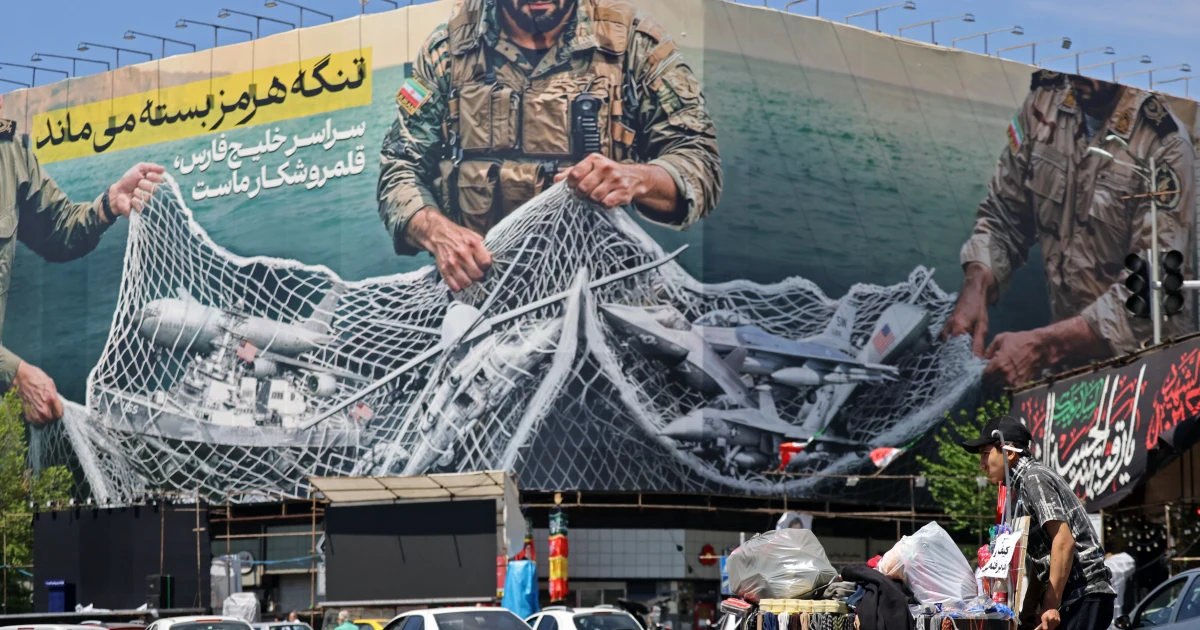
The situation further impacts global oil markets, as the Strait of Hormuz, a critical shipping lane for approximately 20% of the world’s oil, remains largely inactive. Rising oil prices and U.S. Central Command’s recent measures to secure safe shipping lanes indicate the escalating tensions are not just confined to diplomacy. Iranian authorities, while withholding current death tolls, face increasing scrutiny as international observers signal a dire humanitarian situation.
Prolonged Negotiation Challenges
Experts assert that the failure to reach an agreement in Islamabad reflects deeper historical divisions that extend beyond a single round of discussions. As both sides uphold strong stances, analysts indicate that finding middle ground will require sustained diplomatic effort. The complexities of the region, coupled with entrenched positions, suggest that the journey toward a lasting resolution is likely to be protracted.
