


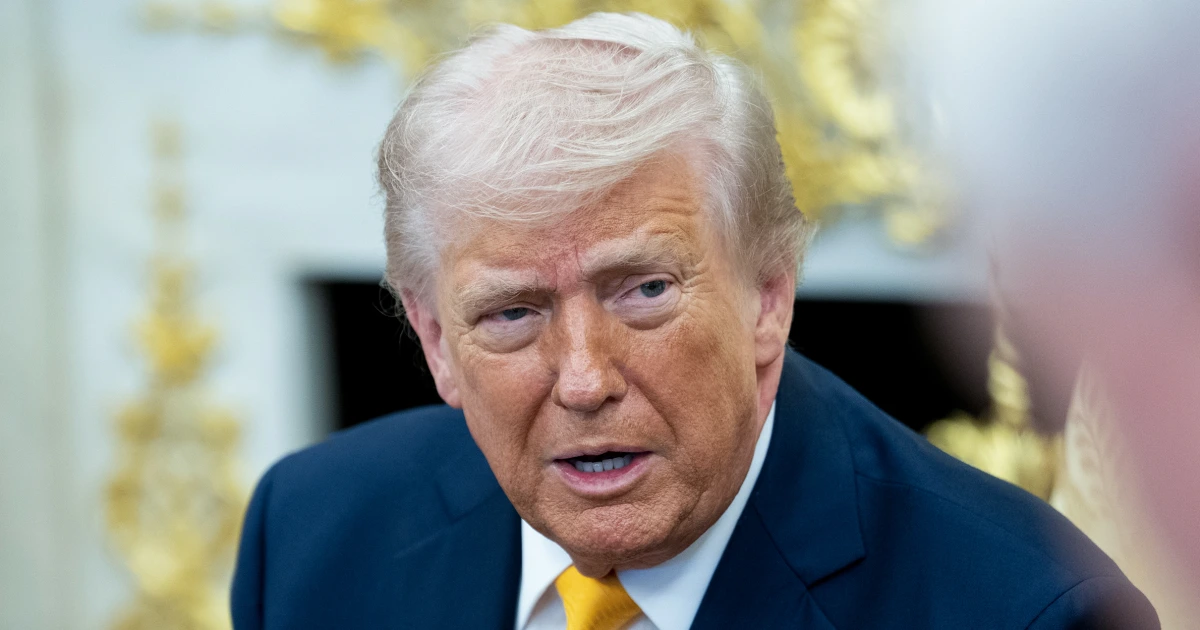
Treasury Secretary defends U.S. and Israeli actions against Iran
Treasury Secretary Scott Bessent spoke out on Sunday in support of recent U.S. and Israeli attacks on Iranian infrastructure, asserting that, at times, “escalation is necessary to achieve de-escalation.”
His comments followed President Donald Trump’s statement on Truth Social, where he threatened Iranian leaders with a 48-hour ultimatum to open the Strait of Hormuz or face significant military retaliation, beginning with the largest power plant and extending to other facilities.
Bessent justified Trump’s approach, claiming the president uses the only language the Iranian leadership comprehends.
On the same day, an Iranian military spokesperson cautioned that any attack on Iran’s oil infrastructure would elicit a proportional response. Colonel Ebrahim Zolfakari warned that if Iran’s energy infrastructure were targeted, the U.S. and its regional allies would face attacks on their own fuel and energy systems.
Continued unrest in Israel and escalating energy crisis
The ongoing conflict has already resulted in heightened tensions, with reports of Iranian missile strikes injuring 115 individuals in Israel and damaging air defense systems near critical nuclear sites. This situation has started to strain gasoline budgets, raising concerns over rising fuel prices. Furthermore, Iran recently demonstrated its military capabilities by launching missiles at distant British and American bases, claiming advancements in its military technology.
In an effort to mitigate the domestic energy crisis, the U.S. has begun relaxing oil sanctions on Iran, which analysts believe may help Tehran improve its economic standing amid this conflict.
Robert Mueller, former special counsel, passes away at 81
Robert Mueller III, the former FBI director who later became special counsel overseeing the investigation into Russian interference in the 2016 presidential election, has died at the age of 81. Mueller’s tenure at the FBI began shortly before the September 11 attacks, under both Presidents George W. Bush and Barack Obama, significantly reshaping the bureau during a pivotal period.
Throughout his career, Mueller, a decorated Marine, often found himself in the crosshairs of President Trump, particularly after the investigation unveiled Russia’s systematic tactics to interfere in the election and to influence Trump’s campaign efforts.
Cuba prepares for potential U.S. military action
In a recent interview on NBC News’ “Meet the Press,” Cuba’s deputy foreign minister expressed concern over a potential military invasion by the United States, asserting that Cuban leaders would be “naive” to disregard the possibility of armed conflict. Carlos Fernandez de Cossio described how the military is always prepared for such a scenario.
Despite the ongoing tensions, Fernández de Cossio stated that Cuban leaders hope to avoid conflict, expressing uncertainty about the justification for U.S. intervention. This comes as Cuba begins to restore its energy system, following multiple nationwide power grid failures that left millions without electricity.
Women in Florida navigate economic hardships
Rachel Jordan, a Florida resident and many in her position, are balancing multiple jobs to manage significant financial burdens, including an average student debt of $75,000. With a typical workday often stretching from dawn until after midnight, Jordan frequently logs 70 hours a week, yet still grapples with covering basic expenses.
Her experience highlights the broader struggle faced by many Americans caught in the cycle of debt and economic strain, driving them to work multiple jobs just to make ends meet.
Telegram ban sparks resistance in Russia
The Kremlin’s attempt to suppress Telegram, the country’s most popular messaging app, has met unexpected resistance from both ordinary citizens and pro-government supporters. Many warn that this crackdown could ultimately backfire, harming not only daily communications but also Russia’s military efforts in Ukraine. The Kremlin is encouraging the adoption of a new state-controlled messenger, MAX, which raises concerns about increased monitoring and limited freedoms.
