


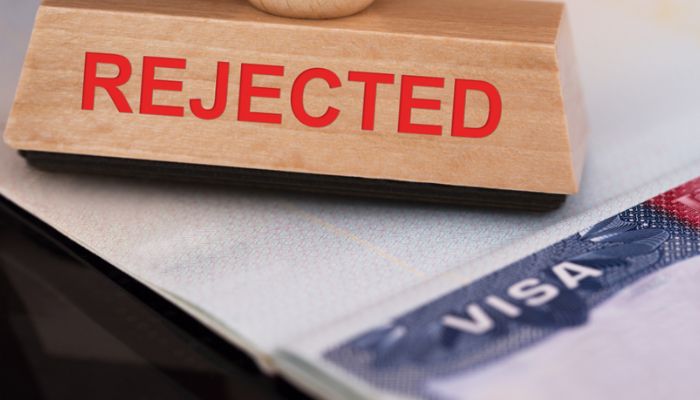
Immigrant visa applications from Nigeria and at least 74 other countries are expected to face an indefinite suspension at U.S. embassies and consulates as Washington tightens immigration controls over concerns that some immigrants may become dependent on public welfare programs.
The action comes after the U.S. Department of State directed consular officials to suspend the processing of immigrant visa applications for affected countries starting January 21, pending a comprehensive reassessment of vetting and vetting procedures.
The instructions were included in an internal memo first reported by Fox News.
Under the directive, visa officers are empowered to use existing provisions of U.S. immigration law to deny applications while the review is ongoing.
Related article: FCTA approves 9.8 billion naira for road rehabilitation at Presidential Villa
The suspension applies to multiple immigrant visa categories and will remain in effect indefinitely until reexamination is completed, although the State Department has not provided a timeline for when the process will be completed.
The policy shift is related to the “public charge” rule, a long-standing element of U.S. immigration law that allows authorities to deny visas to individuals deemed likely to be dependent on public benefits.
In November 2025, the State Department issued new guidance to embassies and consulates around the world, directing stricter enforcement of the rules.
This guidance expands the factors that consular staff must consider when evaluating applicants.
These include age, health, English proficiency, financial ability, employment prospects, and potential need for long-term medical care.
Applicants determined to be at risk of becoming dependent on public assistance may be refused entry under the revised approach.
Somalia has come under particular scrutiny from U.S. authorities following a major fraud investigation in Minnesota in which federal prosecutors uncovered widespread abuse of taxpayer-funded welfare programs.
Officials said many of those involved were Somali nationals or Somali-Americans, and the incident has drawn increased attention to visa applications related to the country.
Although Nigeria was not named in the internal memo, its inclusion makes it Africa’s most populous country among a group of countries currently subject to stricter immigration controls.
This comes at a time of year when large numbers of Nigerians apply for student, work, tourist and family visas to the United States.
Countries affected by the suspension span Africa, Asia, Europe, the Caribbean, and Latin America.
Afghanistan, Albania, Algeria, Antigua and Barbuda, Armenia, Azerbaijan, Bahamas, Bangladesh, Barbados, Belarus, Belize, Bhutan, Bosnia, Brazil, Burma, Cambodia, Cameroon, Cape Verde, Colombia, Ivory Coast, Cuba, Democratic Republic of the Congo, Dominica, Egypt, Eritrea, Ethiopia, Fiji, Gambia, Georgia, Ghana, Grenada, Guatemala, Guinea, Haiti, Iran, Iraq, Jamaica, Jordan, Kazakhstan, Kosovo, Kuwait, Kyrgyzstan, Laos, Lebanon, Liberia, Libya, Macedonia, Moldova, Mongolia, Montenegro, Morocco, Nepal, Nicaragua, Nigeria,
Others include Pakistan, Republic of Congo, Russia, Rwanda, Saint Kitts and Nevis, Saint Lucia, Saint Vincent and the Grenadines, Senegal, Sierra Leone, Somalia, South Sudan, Sudan, Syria, Tanzania, Thailand, Togo, Tunisia, Uganda, Uruguay, Uzbekistan, and Yemen.
The State Department did not say whether humanitarian exemptions would apply under the new arrangement, nor did it explain how applicants already in the system would be treated.

