


National Assembly’s Suspension of Official Vehicle Imports Gains Momentum
The National Assembly’s recent decision to suspend the importation of official vehicles is a positive step that warrants broad support for the country’s economic interests. Nigeria’s ongoing reliance on imports has contributed to its status as a dumping ground for various industrial materials, including surplus goods that are often unused.
The Legacy of Local Auto Policies
Historically, Nigeria’s dependency on imports has hindered the development of its domestic automobile industry. During the administration of Olusegun Obasanjo in the 1970s, government policies proactively encouraged local auto parts production. At that time, the official vehicle was a Peugeot, which enabled Peugeot Automobiles Nigeria (PAN) to source over 40% of its components locally, paving the way for domestic production.
The Impact of Policy Reversals
However, successive governments have severely undermined these initiatives, ultimately favoring imported vehicles, resulting in adverse effects on Nigeria’s economy. Today, numerous government officials drive foreign brands, while the majority of vehicles on the roads are not produced locally, as Nigeria lacks assembly plants for those brands. There is an urgent need for policy adjustments to promote the growth of indigenous automotive industries and generate local employment.
Innoson Motors: An Opportunity for Growth
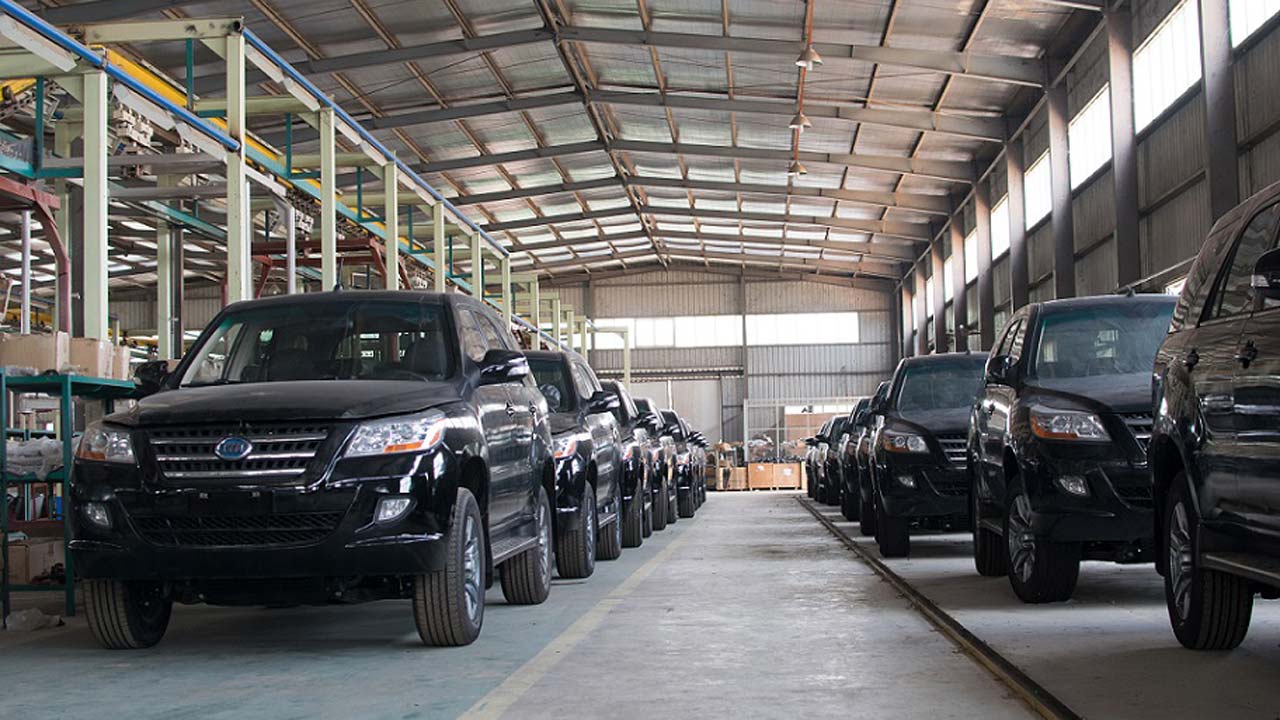
In stark contrast, the Innoson Motor Vehicle Manufacturing Company, located in Nnewi, Anambra State, has shown significant progress but remains largely overlooked by the government. By enhancing the local production of Innoson-branded vehicles to meet international standards, Nigeria can bolster its reputation and decrease its reliance on foreign imports.
Government Spending and Economic Implications
For government entities at all levels, sinking billions of dollars into importing vehicles is not only unpatriotic but also detrimental to the economy. This practice neglects local alternatives and suggests a lack of genuine commitment to advancing domestic industrialization and job creation. Instead of nurturing the burgeoning local auto industry and providing opportunities for millions of unemployed youth, government policies appear to prioritize foreign automotive imports, ultimately stunting local market growth.
Legislative Action as a Catalyst for Change
The role of lawmakers is vital in revitalizing the automotive sector. Recently, the House of Representatives unanimously passed a motion to suspend the importation of official vehicles. Sponsored by Mr. Omoregie Ogbeide Ihama from Edo State, the motion emphasizes the necessity for ministries, departments, and agencies (MDAs) to prioritize vehicles manufactured or assembled within Nigeria.
Revisiting the National Automobile Policy
The automobile sector holds immense potential in Nigeria, evidenced by its status as a multi-billion naira industry fueled by a significant population reliant on road transport. However, current procurement practices indicate that over 95% of vehicles acquired by government MDAs are imported. Revamping the National Automobile Policy, initially introduced in 1990 and ratified in 1993, is crucial. This policy aimed to foster the growth of Nigeria’s automotive industry by utilizing local resources, but little progress has been made since its inception. Previous attempts to rejuvenate the policy under the Goodluck Jonathan administration yielded no substantial results, largely due to inadequate execution and a lack of consideration for critical infrastructure and resources.
Fostering a Sustainable Auto Industry
To cultivate a thriving automotive sector, government initiatives must encourage private sector participation, acknowledging the industry’s potential to be profitable. Consistency in policy direction is key; avoiding abrupt changes will help reinforce the framework necessary for the auto industry’s success. Achieving these goals will enable Nigeria to build a robust and self-sustaining automobile industry that can support its economy and create lasting job opportunities.
