


Young Consumers Offer Promise Amid Economic Struggles in Africa
Despite facing significant economic challenges, a wave of optimistic young consumers is reshaping the retail landscape across Africa, according to a report from Boston Consulting Group (BCG). The continent is currently grappling with high inflation, currency volatility, and stagnating economic growth. As a result, consumer confidence has dipped to its lowest level since 2018, creating a complex backdrop for retail and business sectors.
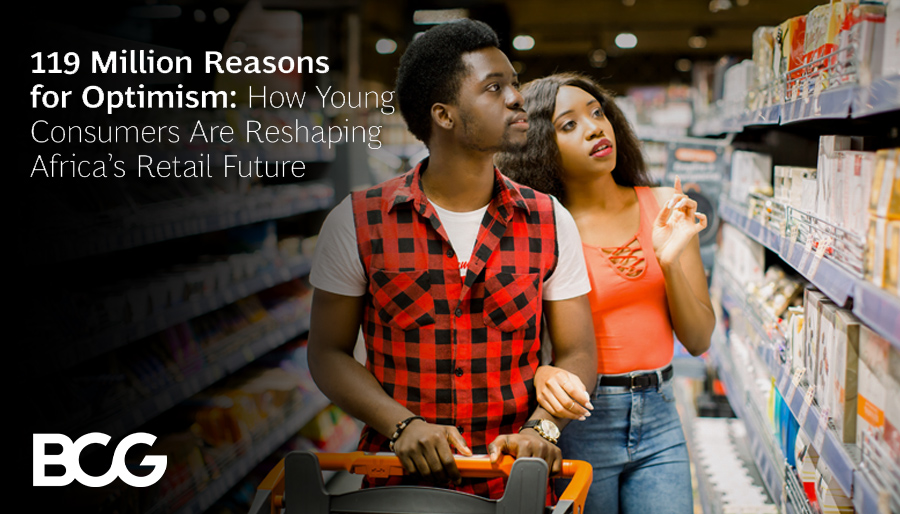
Many households are struggling to cover essential expenses, leading to a notable reduction in discretionary spending, particularly in countries like Nigeria and Kenya, where numerous families have cut virtually all non-essential expenditures. Yet, a fascinating paradox emerges when focusing on the younger demographics. While over half of those aged 18-27 describe their financial situation as poor, an impressive 70% express optimism, believing their circumstances will improve within the next year. This demographic represents approximately 119 million potential consumers across six key economies: Egypt, Morocco, Ethiopia, Nigeria, South Africa, and Kenya.
Shifting Priorities in Consumer Behavior
These optimistic young consumers are not just hopeful; they are fundamentally altering their buying habits. Unlike older generations, they prioritize quality over price and exhibit a distinct inclination towards international brands, largely influenced by online trends. Even under financial strain, they allocate a greater portion of their monthly income to dining out, entertainment, and personal care compared to their parents.
The Fusion of Online and Offline Shopping
The shopping habits of these consumers reflect a unique blend of online exploration and traditional shopping. While most purchases still take place in local markets, the process of discovering new products is increasingly digital. More than 60% of shoppers utilize the internet to research their purchases before visiting stores. Platforms like TikTok and Instagram are gaining traction, becoming as influential as traditional word-of-mouth recommendations for making purchasing decisions.
Financial technologies are rapidly advancing this shift in retail dynamics. Mobile money services, which do not necessitate a formal bank account or credit history, are expanding rapidly in the region. These digital wallets facilitate saving, money transfers, and access to credit, significantly enhancing financial inclusion. This shift empowers young consumers to engage more actively in the formal economy, bridging the gap created by traditional banking systems.
Transformative Impact of Mobile Money
The rise of mobile money represents a groundbreaking development for Africa, where a lack of robust banking infrastructure has historically limited access to financial services. Unlike conventional banks, mobile money services eliminate the need for formal accounts and branch visits, thus catering effectively to a predominantly unbanked population. This transformation allows young consumers greater financial agility.
As companies navigate this transformative retail environment, experts highlight the need for businesses to strike a balance between affordability and the high expectations of young consumers. Building trust with this demographic is crucial, as their brand loyalties may shape spending habits for years to come. By leveraging social media and digital payment platforms, retailers can foster connections with a generation eager to forge a brighter future, despite the current economic hurdles.
According to Thomas Jensen, managing director and senior partner at BCG, Africa’s consumer landscape reflects a mix of optimism and constraint. He emphasizes that young, digitally-savvy consumers are already establishing new demand patterns. The pressing opportunity for businesses lies in cultivating relevance and trust now, as this generation begins to earn income, rather than waiting for a sudden market upswing.
