


Russia’s Intelligence Support to Iran Raises Concerns Following Attack on U.S. Base
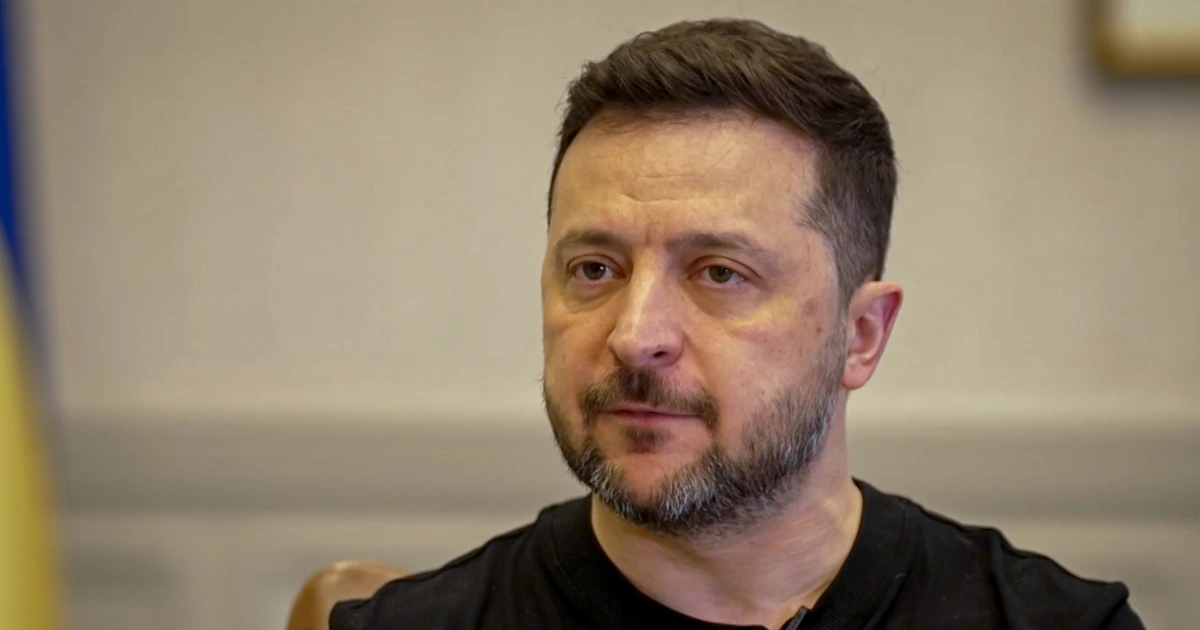
In the days leading up to the recent Iranian attack on a U.S. air base in Saudi Arabia, Russia reportedly captured three satellite images of the facility, according to a summary of Ukrainian intelligence shared by President Volodymyr Zelenskyy with NBC News. This intelligence raises significant concerns about the extent of Russian assistance to Iran in targeting U.S. forces across the region.
Zelenskyy Affirms Russian Assistance to Iran
During an interview conducted in Doha, Qatar, President Zelenskyy expressed his unwavering confidence, stating he was “100%” certain that Russia was providing critical intelligence to Iran. He emphasized that aiding Iran aligns with Russia’s strategic interests, asserting, “Are they helping the Iranians? Of course. What percentage? 100 percent.”
Evidence of Targeted Reconnaissance
Zelenskyy detailed the daily intelligence briefings he receives from Ukraine’s spy agency, which indicated that Russian satellites took images of Prince Sultan Air Base on March 20, 23, and 25. This pattern of surveillance, Zelenskyy noted, typically signals an impending attack plan.
Iran’s Attack on U.S. Forces
On March 26, Iran launched an airstrike on the base, injuring several U.S. service members, though officials stated none of the injuries were life-threatening. Zelenskyy pointed out that such repeated reconnaissance is indicative of hostile intentions, suggesting that Russia’s surveillance operations reflect a systematic approach to planning attacks.
denial from Russian Officials
Despite these claims, Russian Foreign Minister Sergei Lavrov denied that Russia provides intelligence to Iran during a recent interview. However, he did confirm that military equipment was being sent to Iran, reiterating the longstanding military alliance between the two nations.
Ukrainian Defense Agreements in the Gulf
President Zelenskyy has been actively promoting Ukraine’s defense capabilities, seeking partnerships with Gulf states to enhance their military defenses against Iranian advancements. He disclosed that Ukraine has signed defense agreements with Saudi Arabia and Qatar, allowing the exchange of military technology for substantial investments in Ukraine’s defense sector.
Concerns Over U.S. Arms Supply
As tensions escalate in the Middle East due to the U.S.-Israel-Iran conflict, the demand for American-made anti-missile systems has surged among Middle Eastern allies. Zelenskyy expressed concern about a potential diversion of U.S. military resources from Ukraine to the Middle East. However, he noted that to date, there have been no disruptions to the supply of military assistance scheduled for Ukraine.
Implications of a Prolonged Middle East Conflict
Zelenskyy suggested that Russian President Vladimir Putin may benefit from prolonged conflict in the Middle East, pointing to increased oil prices and the lifting of certain U.S. sanctions on Russian oil as sources of revenue for Russia. He emphasized the need for continuous support from Western allies to bolster Ukraine’s defenses against Russian aggression.
Stalled Diplomatic Efforts
With the outbreak of conflicts in the Middle East, efforts by the U.S. to facilitate peace negotiations between Ukraine and Russia have been further hindered. Zelenskyy shared that previous mediation attempts by U.S. diplomats have been complicated by the ongoing regional hostilities, stating that while Ukraine is open to negotiations, they will not engage in discussions on Russian soil.
Ukraine’s Stance on Negotiations and Relationships with U.S. Leaders
Zelenskyy’s remarks reflect a clear desire for open dialogue, suggesting alternative venues for negotiations, such as Türkiye or Switzerland. When asked about the perception of Ukraine’s future among U.S. officials, he expressed hope for understanding from American leadership, recognizing that the U.S. prioritizes its national interests.
