


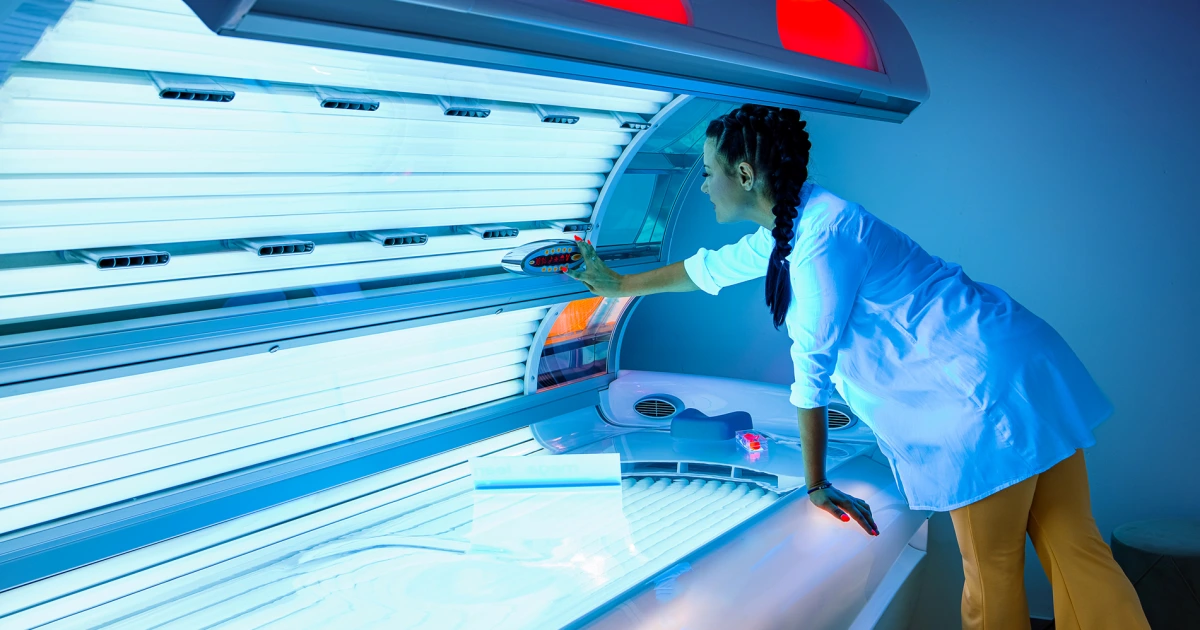
FDA Withdraws Proposal on Tanning Bed Use for Minors
The Food and Drug Administration recently announced the withdrawal of a proposed regulation that would have banned the use of tanning beds for individuals under 18. This decision comes as part of ongoing discussions surrounding the safety and regulation of tanning products in the United States.
State Regulations Varied Across the U.S.
Numerous states, including California, Delaware, Illinois, Kansas, and Minnesota, along with Washington, D.C., have already implemented bans on tanning bed usage by minors. Meanwhile, some states permit use with parental consent, reflecting a patchwork of regulations that can create confusion for users and tanning salons alike.
Background on Proposed Federal Rule
Originally proposed in 2015, this federal rule aimed to prohibit minors from using indoor tanning devices and would have required individuals over 18 to sign a waiver recognizing the risks associated with tanning, such as skin cancer and severe burns. This regulatory effort highlighted the potential dangers of ultraviolet (UV) light exposure from tanning beds.
Health Risks Associated with Tanning Beds
Tanning beds can emit up to 15 times more UV radiation than direct sunlight, which may damage skin cell DNA and increase cancer risks. According to the American Academy of Dermatology, using a tanning bed before the age of 20 can significantly increase the likelihood of developing melanoma, with studies indicating an incidence rate more than double in tanning bed users compared to non-users.
FDA Encourages User Awareness
An FDA spokesperson emphasized that the withdrawal of the proposed rule does not diminish the known risks of UV light exposure. The agency continues to advocate for consumers to consult with healthcare professionals about the dangers associated with tanning beds, underlining the importance of informed decision-making.
Insights from Experts on Regulation
Dr. Susan Taylor, president of the American Academy of Dermatology, criticized the expectation for the tanning industry to self-regulate. She argued for clear legal standards similar to those for tobacco and alcohol, stressing that consumers need protection from potentially harmful UV exposure, especially minors. The American Academy of Dermatology has actively supported regulatory measures aimed at minimizing tanning risks.
Comparative State Regulations
While some states like Alabama require medical prescriptions for those under 15 or parental consent for older minors, others have varying degrees of regulation, creating inconsistencies nationwide. Notably, New Jersey has taken a strong stance, banning commercial tanning for individuals under 17 following incidents that highlighted the potential dangers of early tanning exposure.
