


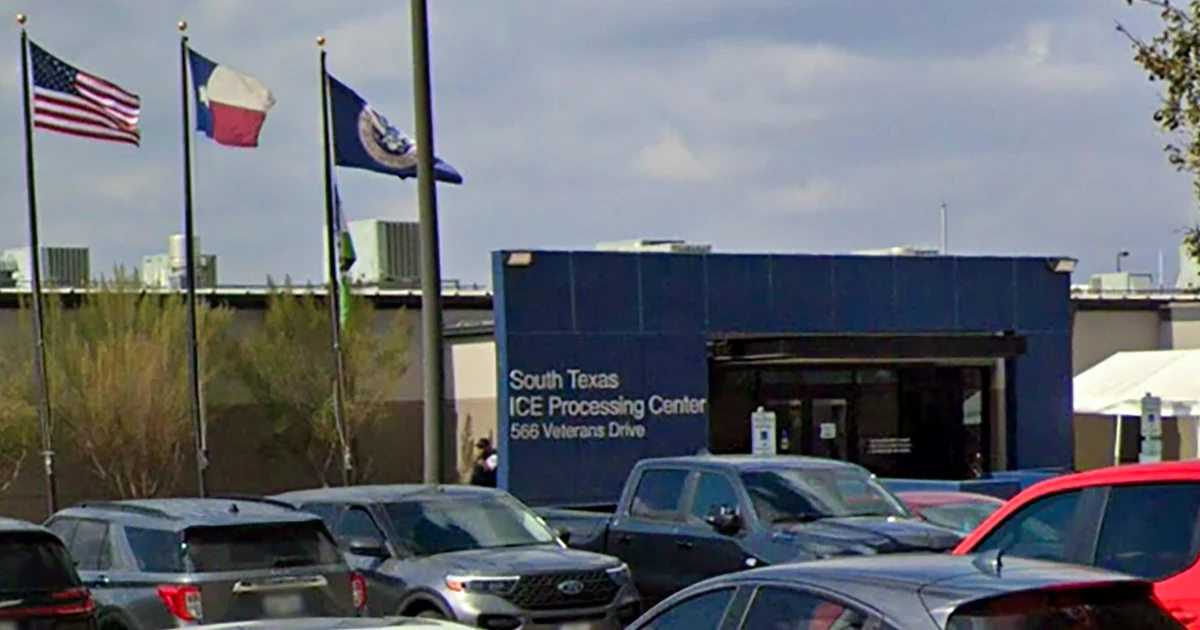
Concerns About Detention Facility Conditions Persist
Immigrant rights organizations have consistently raised alarms about the conditions within detention facilities, citing issues such as extreme cold, overcrowding, and unsanitary environments. Many detainees are left in the dark regarding their release dates, compounding their distress.
Rising Detention Numbers and Lengthy Stays
The number of individuals in ICE custody has surged to nearly 60,000, a significant increase from approximately 34,000 at the start of the Biden administration. The average length of stay for detainees has also risen notably, from 36 days to 50 days.
Testimonies of Detainee Experiences
Simon Sandoval Moschenberg, an immigration attorney based in Maryland, shared that one of his clients remained detained for an astonishing 11 months. He emphasized that the issue extends beyond the poor living conditions to the unsettling uncertainty detainees face regarding their future—many are unsure when or if they will be released.
Escalating Despair and Mental Health Concerns
Sandoval Moschenberg noted that feelings of hopelessness among detainees are growing as immigration proceedings seem to drag on indefinitely. He expressed concern that the lack of clarity regarding their situation could lead to increased self-harm among detainees, as even the end of a long day carries an emotional burden if the outcome is unknown.
High Number of Non-Criminal Detainees
Most detainees are men, with over 20,000 lacking any criminal history beyond immigration-related offenses, such as overstaying a visa or unauthorized entry. Notably, during President Trump’s second term, there have been nine reported suicides among detainees, primarily men aged between 19 and 45. Of these, only three had a history of violent crimes, four had non-violent offenses, and two had no recorded criminal background.
Critical Inspection Failures at Stewart Detention Center
The most recent suicide incident took place at the Stewart Detention Center in Georgia, which had not completed crucial suicide prevention training for all staff members, as reported in a March 2025 ICE inspection. The center failed to monitor suicidal detainees as mandated, with some instances indicating delays of over two hours between required checks.
Investment in Oversight Amid Increasing Inspections
Despite rising detention rates, the frequency of ICE inspections has seen a decline. Some surveillance is conducted through unannounced visits by congressional representatives who seek to engage with detainees directly. However, recent visits, such as that of Rep. Mike Levin from California, revealed new restrictions that limit representatives’ access to detainees without prior notice. Levin expressed that these protocols hinder their ability to assess the true state of facilities, suggesting that the lack of transparency is a deeper systemic issue.
Mental Health Crises Among Detainees
Emergency calls acquired by NBC News indicate that a significant number of detainees are grappling with severe mental health issues. At least 39 calls documented incidents of inmates exhibiting signs of “acute psychosis” or “altered mental status.” One alarming case from Michigan reported a detainee who refused medication and stopped eating for eight days before collapsing.
Tragic Losses Prompt Further Investigations
Some deaths occurred shortly after individuals entered custody. Victor Manuel Diaz, for example, was arrested in Minneapolis on immigration charges and took his own life just eight days later at Camp East Montana in El Paso. Following his death, legal representatives for Diaz’s family have expressed profound doubts regarding the circumstances surrounding his passing, raising concerns about the validity of the autopsy conducted. The ongoing investigation has added layers of complexity to an already sensitive case.
