


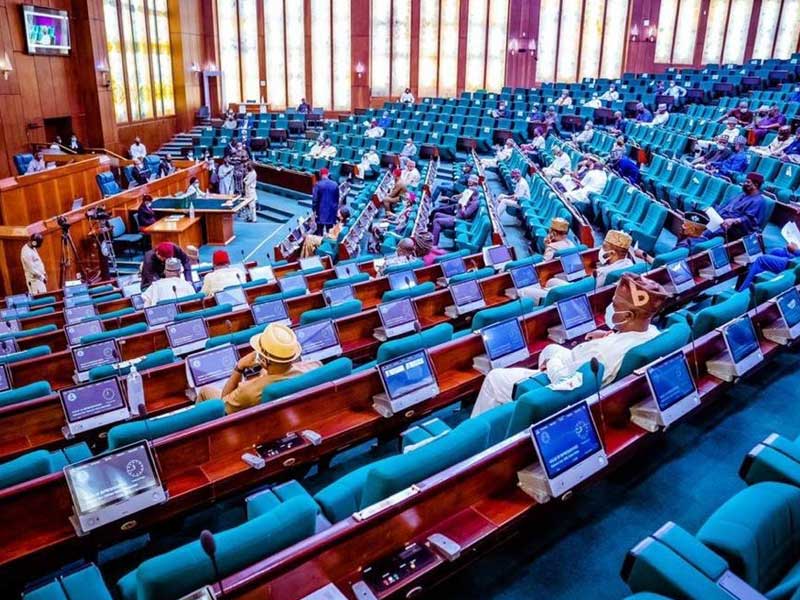
Progression of State Police Bill in Nigeria
Senate Majority Leader Opeyemi Bamidele announced recently that a pivotal bill aimed at forming a local police force in Nigeria has successfully passed its second reading in the House of Representatives. The proposed legislation now moves to the Senate for further deliberation, marking a significant step toward the long-discussed establishment of state police.
This legislative advancement represents a crucial development in the ongoing conversation surrounding the decentralization of police powers in Nigeria, a topic that has garnered increasing attention amid growing concerns about national security. As citizens seek effective mechanisms to confront crime, this move could bolster internal security efforts nationwide.
Details of the Proposed Constitutional Amendment
Titled “The Constitution of the Federal Republic of Nigeria (Sixth Amendment) Bill, 1999 to Provide for the Establishment of the State Police and Related Matters Bill, 2026,” the amendment received substantial backing during discussions in the Committee of the Whole, led by Speaker of the House, Tajudeen Abbas. Bamidele articulated the bill’s intention to carefully address concerns regarding potential abuses by state governments, emphasizing multiple safeguards included within the legislation.
As the proposal advances through the House, it garnered overwhelming support, with 289 members voting in favor and only one abstention. This broad cross-party backing indicates widespread recognition of the necessity for reform in Nigeria’s police system.
Framework for State Police Operations
A noteworthy aspect of the bill involves a proposed amendment to Article 214 of the 1999 Constitution, which formally recognizes both federal and state police forces. The legislation delineates the structure, management, and powers of both entities and establishes minimum operational standards for state police forces. Before a state police unit can commence operations, it must meet national standards set by Congress and receive legislative approval from the state assembly.
The draft legislation also stipulates that the federal police will retain operational responsibilities in states that have yet to establish their police forces. Furthermore, to prevent excessive interference from federal authorities, the bill imposes restrictions on federal involvement in state security matters, permitting intervention only in specific circumstances, such as a complete breakdown of law and order.
Changes to Police Leadership Structure
Significant adjustments to the oversight of police leadership are also proposed. The Inspector General of Police would be appointed by the President based on recommendations from the Nigeria Police Council and subsequent approval from the National Assembly. Similarly, State Police Commissioners will be appointed by governors, also contingent upon recommendations from the Council and approval from state assemblies.
This structure aims to empower local governance while maintaining checks and balances to prevent misuse of authority. Such measures could enhance operational efficiency and accountability within the police force.
Broader Context of Security Challenges in Nigeria
In leading conversations about the bill, Bamidele highlighted the increasing security threats that Nigeria faces, including terrorism, banditry, and local conflicts. Many Nigerians have long argued for state police to better address these localized security challenges, as centralized forces often struggle to respond effectively to unique community needs.
The introduction of state police is seen as a crucial reform not only to strengthen internal security but also to modernize Nigeria’s policing framework by promoting local engagement and understanding. Bamidele affirmed that tailored responses could significantly improve the effectiveness of law enforcement, noting that local officers could leverage their knowledge of community dynamics to combat crime more efficiently.
The Path Forward for the State Police Bill
Following its passage in the House of Representatives, the state police bill faces further scrutiny in the Senate, where initial support has also been positive. Once approved, it will require the backing of at least two-thirds of state legislatures and presidential assent to become an integral part of the nation’s constitutional framework.
Senate leaders, including Tahir Monguno, expressed optimism that establishing state police would help mitigate the emergence of vigilante groups and provide a more structured and accountable law enforcement model throughout Nigeria. The expectation is that the newly proposed framework can enhance citizen security while fostering community trust in law enforcement.
