


Nigeria’s Mineral Resources: The Path to China
Nigeria’s Minister of Mines, Dele Henry Arake, recently celebrated his re-election as Chairman of the newly formed African Minerals Strategy Group, taking pride in being featured on the cover of a magazine. Despite his journalistic background, Minister Arake lacks direct experience in the mining sector. His prior role as Secretary of Information and Strategy during President Tinubu’s two terms as Lagos State governor primarily involved media management.
Focus on Investment and Local Processing
In the wake of the Ministry of Sales and Minerals’ restructuring, Minister Arake has prioritized attracting significant investments and fostering partnerships for local mineral processing. This strategy has led to the establishment of several lithium processing facilities in Nigeria, largely supported by Chinese investments.
The Shift to Local Processing
Arake’s vision to transition from merely extracting raw minerals to engaging in local processing is a commendable step toward supporting Nigeria’s industrialization and economic diversification. However, this strategy raises concerns as it appears to favor Chinese companies while disadvantaging local Nigerian miners, effectively ceding control over Nigeria’s natural resources to foreign interests.
Chinese Investment in Nigerian Lithium Operations
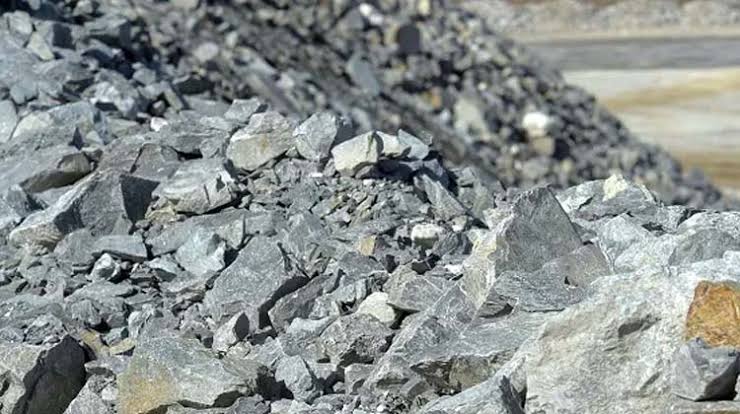
Notable Chinese enterprises, including Canmax Technology, Jiuling Lithium, Avatar New Energy, and Asva, have made commitments to establish lithium processing facilities in Nigeria. As early as late 2025, CanMax has been actively sourcing spodumene, a lithium ore, to meet the needs of its expanding operations. The company, led by founder Pei Zhenhua and his wife Rong Jianfen, is reportedly investing $200 million in Nigerian lithium mining operations in line with China’s broader strategy to dominate Africa’s mineral resources and essential infrastructure.
Strategic Investments and Market Implications
In late 2025, Chinese battery giant CATL revealed plans to increase its stake in CanMax’s lithium subsidiary. As a leader in the global electric vehicle market, holding approximately 40% of the EV battery sector, CATL’s influence extends to nearly 70% of China’s nickel-cobalt-manganese (NCM) battery market. With claims that China processes between 65% and 80% of the world’s lithium, CATL is redirecting most of its refined lithium hydroxide supply to its own gigafactories.
Security Measures Against Illegal Mining
Recent challenges have emerged as British company Jupiter Lithium’s large-scale project in Kaduna state faces threats from armed illegal miners. In response, Minister Arake has deployed specialized mine security forces to protect CanMax and Avatar operations from these illegal activities. However, Jupiter’s requests for support from the Ministry have gone unanswered, culminating in a controversial decision by Minister Arake to rescind Jupiter’s rights to major lithium deposits, allowing Chinese firms to commence mining with federal security backing.
Strengthening Bilateral Relations with China
Minister Arake has placed significant emphasis on diplomatic relationships with Chinese officials, focusing on enhancing bilateral ties while minimizing public scrutiny over China’s involvement in Nigeria’s mining sector. His advocacy for Chinese engagement in Nigeria’s mineral and infrastructure development has been a recurring theme during his visits to China, reflecting a growing alignment with China’s strategy of accessing and controlling Africa’s mineral assets.
The Implications of Chinese Technological Influence
The initial phase of China’s investment strategy often includes infrastructure development, such as ports and railways, which supports its selected mineral projects. Furthermore, the introduction of Chinese technology—particularly surveillance systems—accompanies these initiatives. Notably, China’s BeiDou satellite navigation system is gradually replacing the US-based GPS in Nigeria, raising concerns about national security as China enhances its influence through technology, which includes capabilities like citywide facial recognition.
Existing precedents in countries like Iran underline the potential implications of Chinese surveillance technologies, utilized for comprehensive monitoring systems. The 25-year cooperation agreement between Iran and China for the transfer of these technologies highlights the risks associated with foreign technological dominance in Nigeria, especially in the context of infrastructure development and national security.
As Nigeria navigates this complex landscape of foreign investment and technological influence, the implications for local industries and national sovereignty cannot be overlooked.
— Steven Cefas is a conflict reporter with a keen interest in mining and solid minerals.
