


Every day at HealthyAfrica, we provide a roundup of significant news from the continent that we haven’t fully covered. These concise updates highlight key developments in culture, politics, and more. For additional stories like these, please explore our news pages for local features.
US Initiates Talks with Congo and Rwanda Amid Ongoing Tensions
The United States has convened officials from the Democratic Republic of Congo and Rwanda in Washington to discuss revitalizing the stalled peace process in eastern Congo. This marks the first round of talks since the US imposed sanctions on Rwandan military officials earlier this month, following accusations of Rwanda’s support for the M23 rebel group, which has made significant territorial gains in eastern Congo. Despite international pressure, the conflict remains unstable, with M23 continuing to control substantial areas.
In a joint statement, the parties committed to reducing tensions through measures such as respecting sovereignty, withdrawing troops from certain regions, and enhancing efforts to neutralize the armed group FDLR. The discussions are grounded in a December agreement brokered by the US, yet violence persists, raising fears of a broader regional conflict, particularly in light of recent rebel movements near the Burundian border.
UK and Nigeria Forge $990 Million Agreement for Lagos Port Renovation
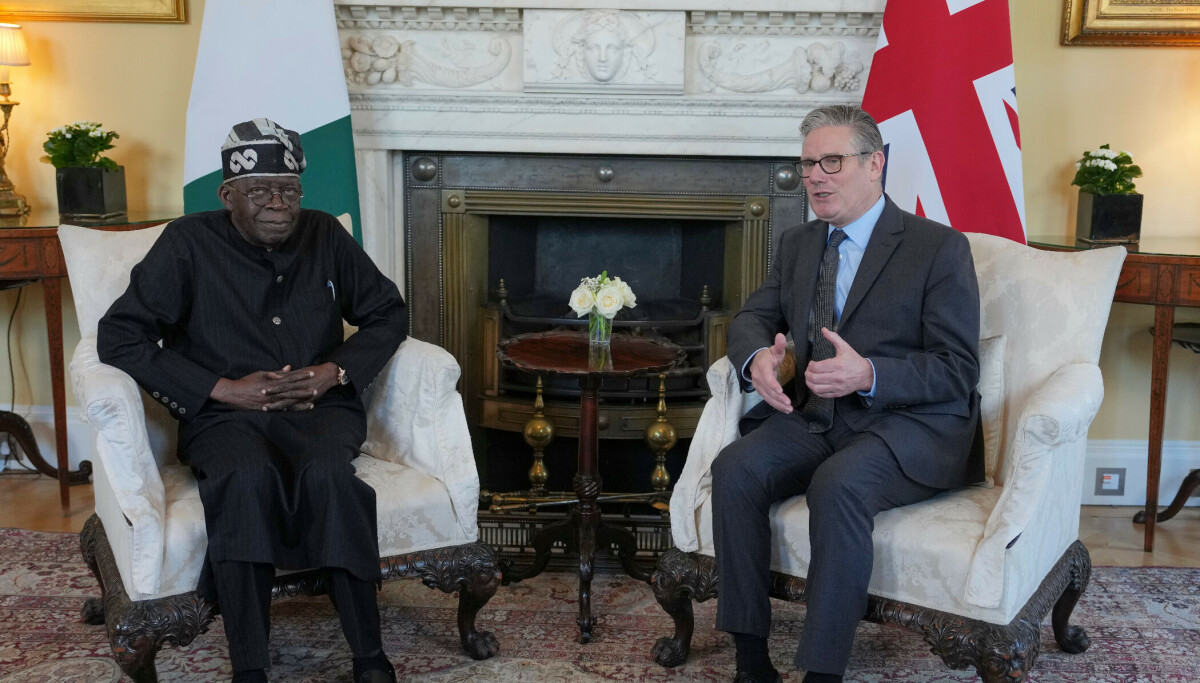
During a state visit, the UK and Nigeria announced a £746 million ($990 million) export finance agreement aimed at overhauling the Lagos port complex and Tincan Island port. This funding package, facilitated by British Export Finance and Citibank, is designed to enhance two of Nigeria’s busiest trading hubs and is expected to generate contracts totaling £236 million ($316 million) for British firms, including a £70 million ($94 million) boost for British Steel. This agreement signifies a deepening of economic ties between the two nations, which are already experiencing record trade levels.
This significant outcome arises from President Bola Tinubu’s two-day state visit to the UK—the first by a Nigerian leader in 37 years—aimed at bolstering trade relations and diplomatic partnerships. With approximately 300,000 Nigerians residing in the UK, the country is positioning itself as a key player in African commerce, a sentiment underscored by cultural ties recognized during a royal event at Windsor Castle. British Prime Minister Keir Starmer engaged with Mr. Tinubu to further discussions on trade and investment cooperation.
South Africa’s Proposed Gambling Tax Faces Industry Pushback Amid Rising Addiction Rates
The rise of online gambling across Africa has prompted governments to elevate tax rates, with South Africa proposing a state tax of 20% on gambling profits. This could potentially double annual revenue from R4.8 billion ($285 million) to R10 billion ($607 million). This tax initiative comes as regulations reveal that two-thirds of South African adults now partake in online gambling, a dramatic increase from 30% in 2017. The proposed legislation is expected to be introduced this year, with a concluding proposal set for 2027, enjoying support from various political factions. Meanwhile, nations like Malawi and Zimbabwe have already implemented similar tax hikes.
Concurrently, gambling addiction is surging, with South Africa’s national helpline reporting a two-thirds increase in distress calls over the past year. More than 4,600 individuals are currently undergoing treatment for gambling-related issues, a significant rise from 2,600 in 2024. Sibongile Simelane Kuntana of the South African Responsible Gambling Foundation stated, “We’re trying to thrive on gambling.” Opponents of the tax increase argue that it could inadvertently push users towards illegal gambling sites and warn that the total tax burden could soar to 38.5%, diminishing the appeal of legal gambling. Critics, including aid groups in Senegal, stress that tax measures alone will not resolve addiction crises without enhanced support systems.
Kenya Revives Delayed Rail Project with Innovative Financing Approach
Kenya is reactivating a long-stalled rail extension project after a six-year hiatus, utilizing a new financing model to revive this multibillion-dollar initiative aimed at connecting to Uganda. The expansion is being led by the China Road and Bridge Corporation and follows the completion of the Mombasa-Nairobi section in 2017. However, funding cuts from China had previously hindered progress, leaving the project 350 kilometers short of the border. President William Ruto, who initiated the project in Narok, has resisted criticism about its viability, highlighting the government’s revenue stream from a rail levy generating approximately 35 billion shillings ($270 million) annually to support construction.
The renewal of this project demonstrates a shift in China’s funding strategy from large loans to investment-driven partnerships, particularly as Kenya grapples with significant debt repayments while exploring alternative infrastructure financing options.
Growing Protests Over Water Shortages in South Africa
Residents in Johannesburg’s northern suburbs are protesting for reliable water supplies after enduring weeks of shortages, with some households reporting dry taps for over a month. These protests, particularly in areas like Greenside, underscore escalating dissatisfaction in South Africa, where the severity of water shortages has become comparable to previous power outages. Residents of Hammanskraal have experienced power outages lasting up to two months, while other regions have faced years of inconsistent access. Local authorities have relied on tanker deliveries, but residents allege that they are being charged for water that should be provided for free, prompting suspicions of exploitation by a “water mafia.” Experts point to years of underinvestment in the sector, exacerbated by mismanagement and possible corruption in water distribution contracts. In response, President Cyril Ramaphosa is advocating for the establishment of a National Water Crisis Commission and exploring potential criminal charges against negligent officials. Some local authorities suggest municipalities independently manage their own tanker systems, though critics caution that this is merely a temporary fix, emphasizing the need for long-term solutions aimed at repairing and upgrading water infrastructure.
Sahel Region Continues to Struggle with Terrorism
The Sahel region is expected to account for nearly half of all global terrorism-related deaths for the third consecutive year in 2025, reaffirming its status as the world’s most affected region, according to the latest Global Terrorism Index. The report details that almost half of the 5,582 recorded fatalities occurred within the Sahel, even as the total number of deaths in the region decreased from the previous year, reflecting a long-term trend since terrorist fatalities have surged tenfold since 2007. The epicenter of global attacks has shifted away from the Middle East and North Africa, with violence becoming pervasive in the Sahel. Niger is now ranked third globally with 703 deaths, many of which are civilians, while Nigeria ranks fourth with 750 fatalities, signaling a 46% increase from 2024. Burkina Faso, previously the most affected country, saw its death toll fall by 45% to 846, attributed to fewer civilian casualties as military forces have targeted jihadist groups like JNIM. The report highlights that most attacks are linked to Islamic State affiliates and JNIM, while warning of a troubling spread of violence into coastal West African states, including Benin.
Tragic Capsizing Near Comoros Claims Lives of 17 Migrants
Authorities report that at least 17 African migrants perished when a boat—likely en route to Mayotte—capsized off the coast of the Comoros, leaving 30 survivors. The vessel was discovered near Mitumiuri after local residents heard cries for help and alerted police. Many of those onboard are believed to hail from the Democratic Republic of Congo. Despite the inherent dangers, migrants frequently attempt the perilous journey to Mayotte, a French colony known for its social services. Past tragedies include a 2024 incident where a trafficker’s boat capsized on the same route, resulting in at least 25 fatalities.
Drone Strike from Sudan Leaves 17 Civilians Dead in Chad
A cross-border drone strike from Sudan has resulted in the death of at least 17 civilians in Tyne, a town near the Chad-Sudan border. The airstrike targeted mourners attending a funeral, occurring during a Koran recitation ceremony and leading to two explosions that took the lives of participants and nearby children. Local authorities confirmed that all victims were civilians, while the origins of the attack remain uncertain. Sudan’s military and the paramilitary Rapid Support Forces have exchanged blame for the incident, which underscores the spillover effects of the ongoing civil war in Sudan that has persisted since April 2023. President Mahamat Idriss Deby has called for military retaliation against further incursions while reinforcing Chad’s eastern border, which had previously seen closure after the deaths of five Chadian soldiers in related conflicts.
Malawi Faces Severe Flooding After Days of Heavy Rain
After four consecutive days of heavy rainfall, Malawi has experienced devastating flooding that has claimed at least 13 lives and affected approximately 9,600 households. The disaster has impacted 16 districts, prompting evacuations and the establishment of 12 camps across six areas as search and rescue efforts are underway. Officials report significant losses in crops and livestock, including tobacco, the country’s primary export, raising concerns about the economic ramifications for this donor-dependent nation. The government has initiated the distribution of aid and is actively seeking financial and technical support from local and international partners.
Nigerian Military Successfully Defends Against Boko Haram Attack
The Nigerian military has successfully thwarted a significant assault by Boko Haram and ISWAP fighters on a military base in Malam Fatoli, Borno state, killing at least 80 insurgents, including a senior commander. This pre-dawn raid near the Niger border saw fighters advancing on foot and utilizing armed drones; however, the military’s “offensive and defensive” response, bolstered by air support from Nigerian forces, effectively countered the assault. Four soldiers were reported injured, and troops recovered numerous weapons, including rifles, RPGs, IEDs, and drone components. This attack follows a suicide bombing in Maiduguri that killed at least 23 individuals, indicating a shift in rebel tactics amidst increasing military pressure.
