


Impact of Immigration Raids on Local Businesses
Marcos Carvajal’s family restaurant, Carnitas Uruapan, was catering to soccer fans on a lively Sunday in September when the atmosphere shifted dramatically. Just a few miles away, federal immigration agents arrested a flower vendor in Chicago’s Archer Heights neighborhood, resulting in his swift deportation.
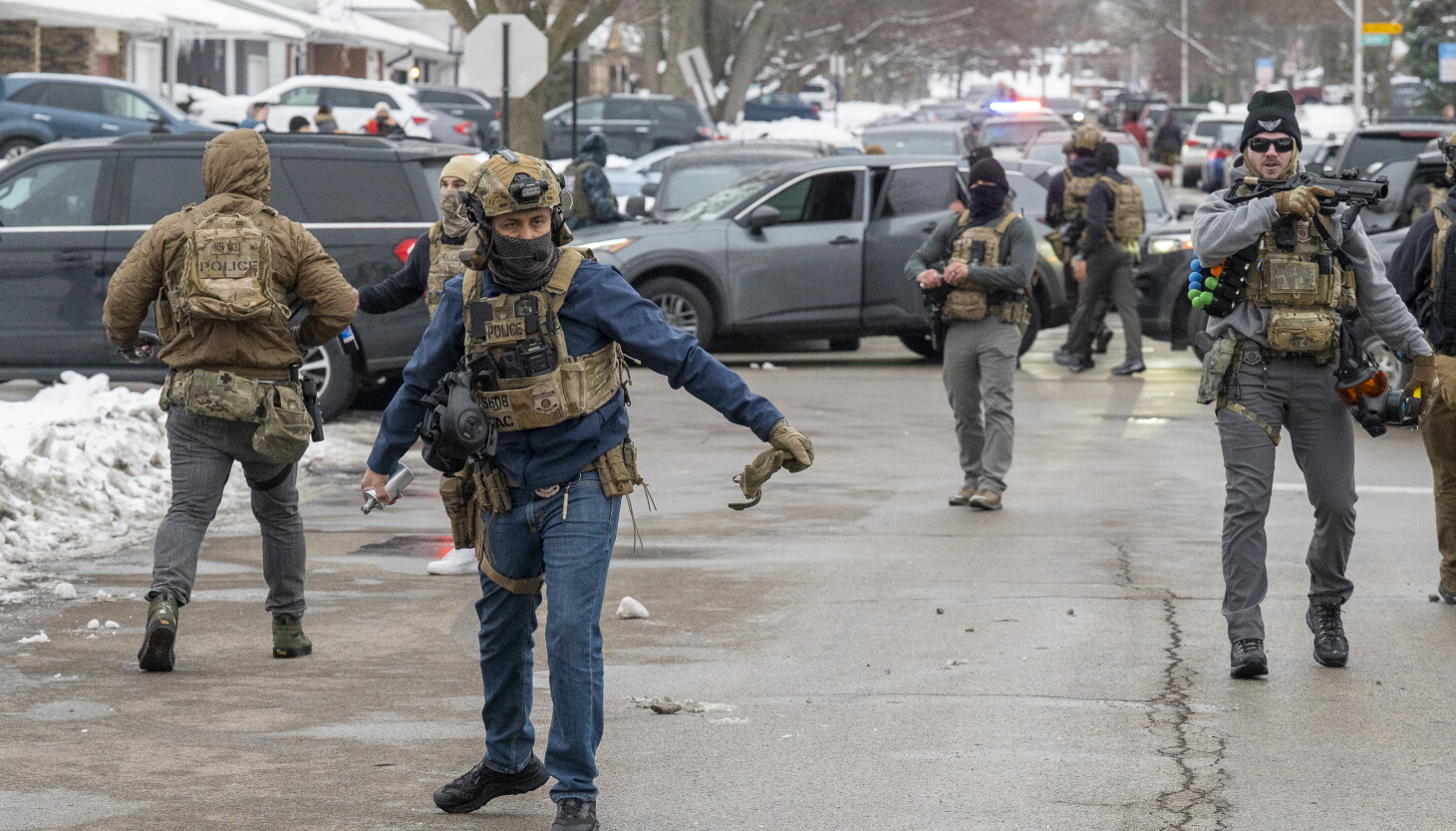
Carvajal highlighted the significant change that began with the Trump administration’s Operation Midway Blitz. He noted a marked decline in customers, as families who once frequented his restaurant every weekend started to avoid it. Many began asking if employees could bring food to their cars instead. Community members and staff stayed vigilant, monitoring social media for any signs of immigration activity before heading to work.
The impact of the deportation campaign was stark, leading to a major revenue drop across the restaurant’s locations in Little Village, Gage Park, and Pilsen, according to Carvajal. The data consistently reveals the same pattern: when fear looms, families opt to stay home.
Carvajal shared these experiences during a recent public hearing conducted by federal committees, where he, alongside other Chicago-area residents, lawyers, and advocates, articulated the profound trauma and anxiety inflicted by aggressive immigration enforcement, with one speaker describing neighborhoods as being “under siege.”
Public Forum Highlights Harsh Realities of Immigration Policies
The forum, known as the People’s Hearing on Immigration Enforcement, took place at the University of Illinois at Chicago’s downtown law school. Organized by the U.S. Commission on Civil Rights, its purpose was to compile a public record and promote necessary investigations, potential policy reforms, and possible criminal charges against federal officials.
Committee Chair Rochelle Garza emphasized the importance of transparency and accountability, stating that the testimonies could pave the way for justice. However, she clarified that the hearing was not an official proceeding of the Commission, an independent body that advises the president and Congress on civil rights matters. While the Commission can investigate concerns and produce reports, it does not have the authority to prosecute these cases. Given the focus on the previous administration’s stringent immigration tactics, federal action appears unlikely from the current government or a Republican-led Congress.
Shooting Incidents Amid Heightened Enforcement
This week, the Commission released a report following similar public hearings held earlier in Minnesota. On Monday, state prosecutors charged a U.S. Immigration and Customs Enforcement officer involved in the January shooting death of a Venezuelan immigrant in Minneapolis. The Commission is also slated to conduct another hearing in Los Angeles this June.
Witnesses recounted the harsh realities faced during the Midway Blitz, with incidents ranging from shootings to the deployment of tear gas and arrests at courthouses. One individual, speaking anonymously, described a harrowing encounter after leaving work for lunch; he was detained despite displaying his driver’s license when approached by unmarked cars without clear government identification.
Personal Accounts of Detention and Fear
This individual recounted being held for 24 hours at an immigration processing center before spending four months in a detention facility in Baldwin, Michigan. Despite having lived in the United States for 26 years, contributing to taxes for two decades, having a child who is a U.S. citizen, and maintaining a clean criminal record, he found no option for bail or recourse through legal channels. “I don’t understand why the government keeps locking us up,” he said, reflecting the frustrations of many in his community.
Statistics revealed an alarming trend, with immigration arrests in the Chicago area rising from 760 in September to nearly 2,100 in October, as reported by the University of Illinois Chicago and the Hispanic Federation.
Continuing Challenges for Immigrant Communities
During the hearing, Sheila Bedi, an adviser to Mayor Brandon Johnson, pointed out that immigration enforcement persists in Chicago, even as many officials have distanced themselves. She noted instances of federal agents remaining present outside domestic violence courts.
Ruben Castillo, a former federal judge who chaired an Illinois commission that examined the actions of federal employees, underscored the necessity for a special counsel to investigate such conduct to ensure accountability. “This has to stop. Justice for me is in the courts,” he declared.
Berto Aguayo, an attorney and co-chair of the Illinois Hispanic Bar Association’s Rapid Response Network, expressed that families are living in a state of fear and trauma, with children anxiously awaiting the return of loved ones. He observed that entire neighborhoods now feel as though they are “under siege.” Aguayo noted the urgent need for trustworthy legal counsel within the community, emphasizing, “For many families, we were the only lawyers they knew personally. We cannot forget what happened here in Chicago during Operation Midway Blitz.”
