


Nigeria Advocates for Enhanced Cooperation Between Africa and Latin America
Nigeria is actively pursuing stronger partnerships between African and Latin American nations, emphasizing the importance of collaboration among countries of the Global South to navigate increasing global uncertainties and foster balanced international relations.
High-Level Dialogue in Colombia
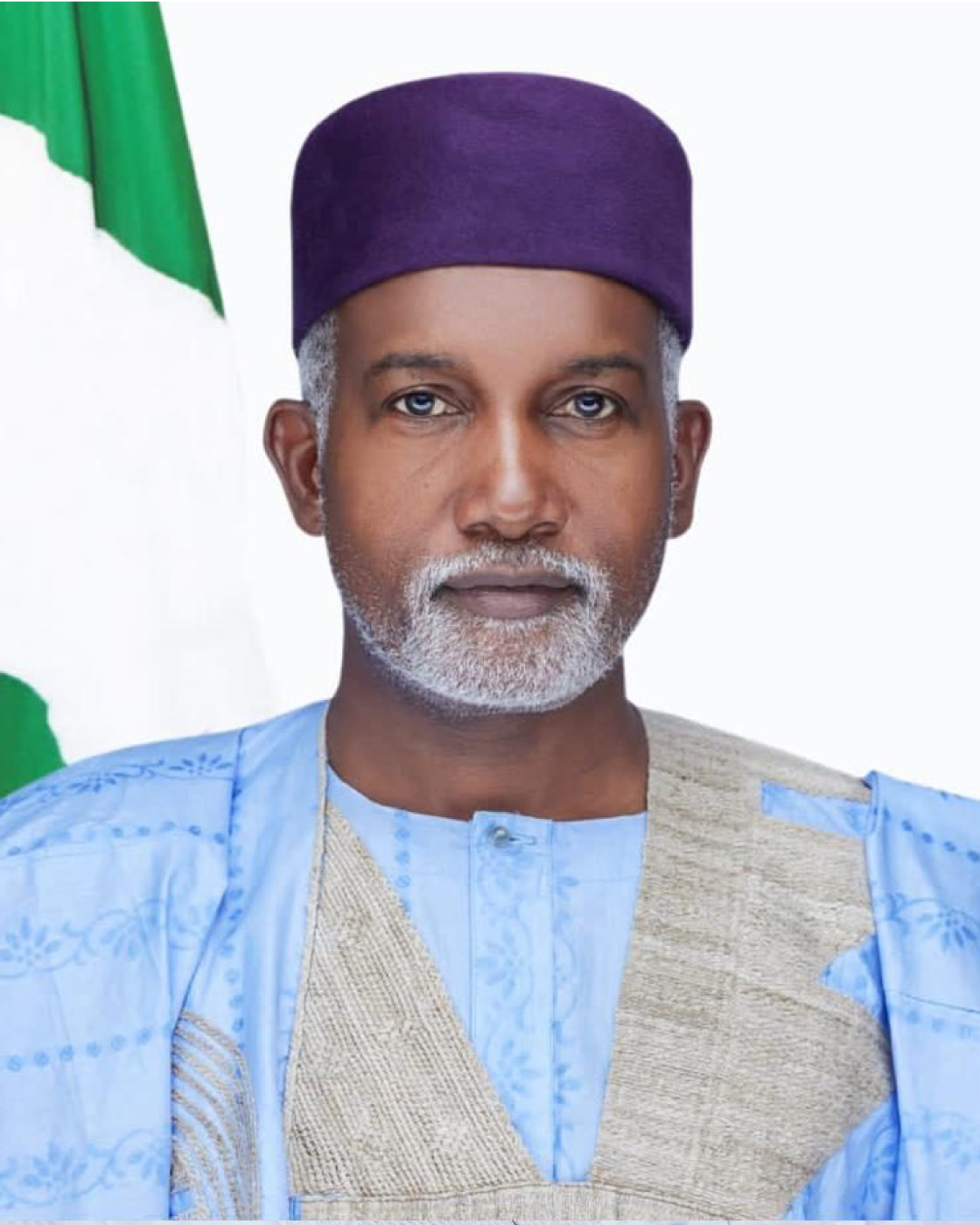
At the CELAC-Africa High-Level Forum in Bogotá, Colombia, Nigerian Foreign Minister Yusuf Maitama Tugaar urged regional leaders to enhance cooperation across critical sectors including technology, agriculture, education, energy, and culture. This event served as a significant platform for dialogue on potential collaborations between these two regions.
Significance of CELAC
The Community of Latin American and Caribbean States (CELAC) is a pivotal regional organization aimed at promoting political dialogue, economic cooperation, and regional integration among its member states. Tugar, representing President Bola Ahmed Tinubu at the forum, recognized the event as a timely opportunity to redefine Africa and Latin America’s roles in today’s evolving global landscape.
Acknowledging Geopolitical Challenges
Tugaar commended Colombian President Gustavo Petro for convening the forum amidst prevalent geopolitical tensions and economic challenges. He pointed out that the repercussions of global conflicts and instability disproportionately affect developing nations, regardless of their distance from the actual crises.
Call for Collaborative Approaches
The minister stressed the need for both regions to adopt a unified approach in shaping international agendas that promote peace, economic resilience, and shared prosperity. He asserted that strengthening South-South cooperation could uncover new avenues for trade, innovation, and sustainable development.
Nigeria’s Strategic Focus and Technological Engagement
Tugaar highlighted Nigeria’s strategic priorities that include deeper engagement in sectors such as agriculture, solid minerals, renewable energy, and emerging technologies. He underscored the necessity for both Africa and Latin America to participate in the development of transformative technologies like artificial intelligence (AI), cautioning that the Global South must not lag in the upcoming technological advancements.
Commitment to International Collaboration
Reaffirming Nigeria’s enduring commitment to international cooperation, Tugaar pointed to the Technical Assistance Mission, which has dispatched Nigerian experts to Caribbean nations for nearly four decades. He articulated how this program embodies Nigeria’s dedication to enhancing relations across Latin America and the Caribbean.
Investment Opportunities and Cultural Exchange
On the economic front, the Minister underscored Nigeria’s position as Africa’s largest market, detailing investment prospects in agro-processing and food production. He elaborated on policies aimed at achieving food self-sufficiency while supporting farmers and boosting fertilizer production to enhance agricultural yields. Beyond economic ties, Tugaar highlighted cultural exchange and creative industries as vital elements for strengthening relations between the two regions.
Addressing Global Issues and Historical Legacy
During the forum, Tugaar also advocated for concerted efforts to tackle broader global challenges such as climate change, access to healthcare, and technology transfer to developing countries. He reiterated Nigeria’s stance on the critical importance of accountability in combating illicit financial flows from developing nations, as well as the need for historical reparations for the impacts of slavery and colonialism.
Strengthening Regional Partnerships
The CELAC-Africa High-Level Forum, held from March 20 to 21, gathered leaders and dignitaries from Africa, Latin America, and the Caribbean to explore avenues for fostering political, economic, and cultural cooperation. Tugaar closed his remarks by urging participants to leverage this opportunity to forge stronger regional partnerships that unlock economic potential and contribute to a more equitable global order.
