


Written by Simon Leaf
A New Direction for Nigeria’s Secret Police
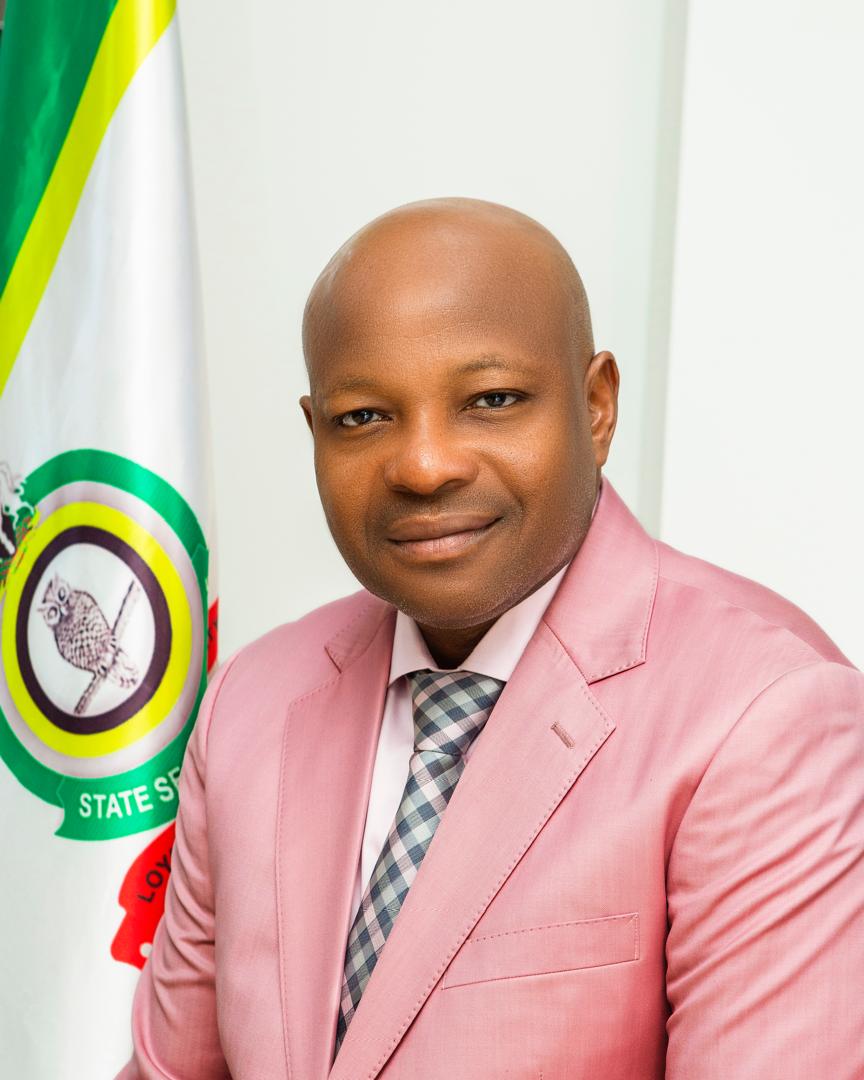
The appointment of Oluwatosin Adeola Ajayi as Director-General of the Department of State Services (DSS) in August 2024 signified a pivotal change for Nigeria’s secret police, which had long been perceived as operating outside the law. As the successor to Alhaji Yusuf Bichi, who had led the DSS for six years under President Muhammadu Buhari, Ajayi was viewed as ideally positioned to align the agency’s operations with the values of Nigeria’s democratic framework. Nearly two years into his tenure, Ajayi has concentrated on overhauling the DSS’s operations, focusing on organizational reforms aimed at shifting the agency towards an intelligence-driven approach. This transformation emphasizes intelligence-led operations while fostering collaboration with civil society to meet the new demands of a reformed security institution.
Addressing Past Injustices
Under Ajayi’s leadership, the DSS has implemented a human rights reform policy that mandates financial restitution for victims of wrongful detention, mistaken identity, or operational errors. Notable compensation cases include a Sokoto-based trader, who was tragically killed during a mass shooting in Jos in 2016 and received R20 million in compensation, alongside free DSS healthcare for life. Another instance involved an Abuja-based businesswoman wrongfully arrested during an oil replenishment raid, who was awarded N10 million. The approval of these compensations demonstrates Ajayi’s commitment to acknowledging past errors and signals a renewed dedication by the agency to uphold human rights within its operations.
Promoting Civil Relations
The DSS recognizes that its effectiveness relies on fostering a cooperative relationship with the community it serves. In a country where religious divisions often exacerbate social tensions, Ajayi has taken significant steps towards promoting unity. His donation of an Islamic school, the Darul Ilm Center for Islamic Studies, amidst criticism, highlights his commitment to education and peacebuilding. Located in the Dambusiya community of Millennium City, the school offers a blend of Islamic knowledge, Western education, and vocational training, benefitting orphans and vulnerable groups. This initiative, viewed as a symbol of religious tolerance and national cohesion, reflects a broader strategy to bridge societal divides.
Educational Initiatives and Their Impact
Ajayi’s philanthropic efforts extend further, as he also established the Kaduna Christian Academy in Sabon Tasha. Local Governor Uba Sani praised this academy as a vital asset in addressing the root causes of radicalization and violent crime, promoting youth education in high-risk areas. The Defense Minister, Gen. Christopher Musa (retd.), recently underscored the academy’s significance, labeling it a “critical military asset” even without conventional military resources. Through these educational initiatives, Ajayi aims to create a safer environment while fostering community engagement.
Humanitarian Operations for Intelligence Gathering
Ajayi’s innovative approach extends to regular humanitarian operations in orphanages across 36 states. Within two years of his leadership, he facilitated the recruitment of 27 orphans and underprivileged individuals, offering them opportunities to serve within the agency. These efforts have not only assisted vulnerable populations but have also enhanced local intelligence gathering, positioning the DSS as more attuned to community needs.
Changing Dynamics with the Media
One of the most remarkable shifts under Ajayi’s leadership has been the transformation of the relationship between the DSS and the media. This shift has earned him accolades, including the “Man of the Year” award from the Nigeria Union of Journalists (NUJ) in June 2026. His commitment to transparency has garnered recognition from several organizations, including the Freedom of the Press Award from the International Press Institute (IPI) and the Friends of the Media Award from the Broadcasting Organization of Nigeria (BON), reflecting a newfound respect for press freedoms.
Intelligence-Led Security Strategies
In his role, Ajayi has championed a strategic pivot towards intelligence-led preventive security measures. The focus has shifted to preemptively neutralizing threats rather than responding with force after the fact. Interagency collaborations among the DSS, the Nigerian Army, and the Office of the National Security Advisor (ONSA) have strengthened tactical operations, evidenced by recent successes in rescuing abducted individuals in Oyo State. This approach marks a significant departure from previous practices where the DSS prioritized self-promotion over effective public safety.
Under Ajayi’s leadership, the DSS is no longer associated with the excessive intimidation that characterized its past. As he works alongside the country’s armed forces to root out terrorist threats, the agency is increasingly perceived as a protector of public safety rather than a source of fear. Ajayi’s legacy lies in reshaping the DSS into a more approachable, accountable agency, committed to upholding the rule of law and enhancing national security.
*Simon Leaf is an Abuja-based journalist
