


Trump’s Immigration Agents at Airports Raise Tensions
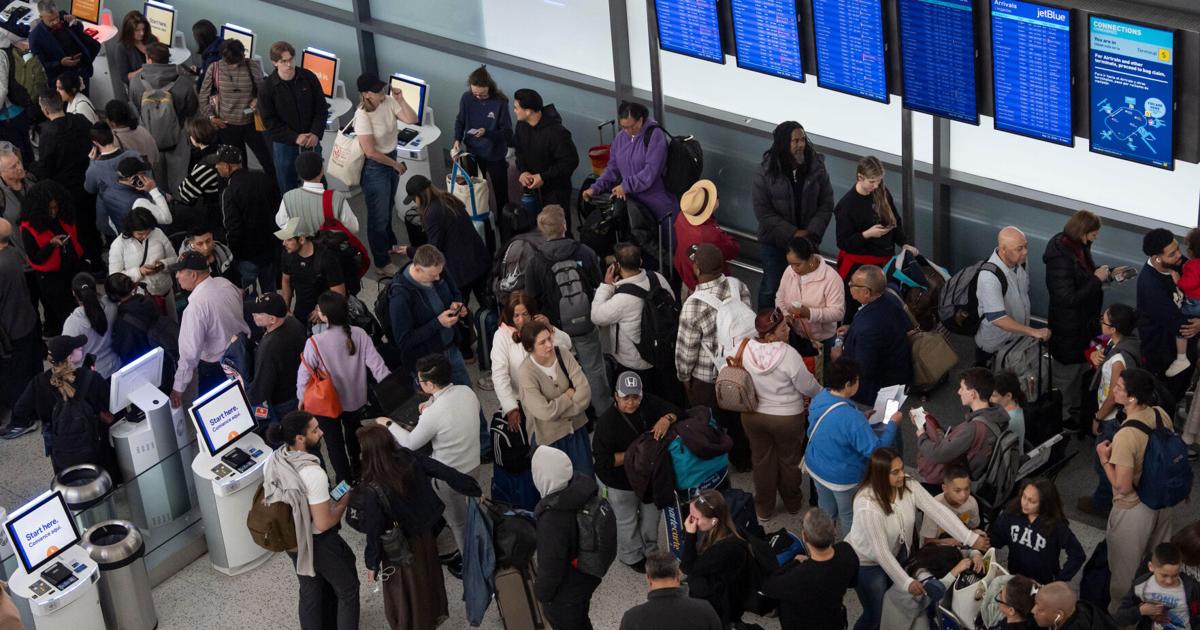
President Donald Trump’s directive to deploy federal immigration agents at U.S. airports to bolster security during a budget standoff has sparked significant concern. Many fear that the increased presence of these agents may escalate tensions between frustrated air travelers—often subjected to long waiting times—and immigration officials facing unpaid salaries.
Federal Agents to Assist TSA Amid Budget Crisis
On Sunday, President Trump announced his intention to implement a measure involving immigration officials aiding the Transportation Security Administration (TSA). Their roles will include overseeing exit lanes and verifying passenger identification. This decision comes amid an impasse with Democrats, who are demanding substantial reforms to federal immigration practices and have shown no indication of yielding.
Concerns Over Conflicts at Airports
Experts and advocacy groups are increasingly voicing alarm over the potential for confrontations between immigration agents and passengers. The long wait times experienced by travelers, particularly during peak travel seasons, could further exacerbate feelings of frustration and anxiety at airports. Additionally, the financial strain on federal agents, who may not receive their salaries during the ongoing budget crisis, raises concerns about their ability to perform their duties without conflict.
Democratic Opposition to Immigration Policies
The political landscape remains tense, as Democratic leaders continue to push for comprehensive changes to the current immigration framework. Their resistance to Trump’s proposed measures points to a broader divide regarding immigration policy in the U.S. The stalemate in funding the Department of Homeland Security has only intensified the debate, leaving airport security operations in a precarious position.
Effects on Air Travel Experience
Travelers may soon need to navigate not only the usual hassles of airline travel but also the added complexity of encountering federal immigration representatives. This could alter the air travel experience substantially, with implications for passenger rights and the overall atmosphere within airport terminals.
Implications for Federal Employees
The ongoing budget dispute also poses significant challenges for federal employees. Immigration agents, who are now expected to assist the TSA, find themselves in a stressful situation as they approach the possibility of unpaid work. The morale of these essential staff members may further decline, impacting their performance and the safety of airport environments.
Fractured Political Climate Influences Security Policies
The current political climate not only shapes immigration policies but also ripples through various sectors, including air travel. As the government grapples with these issues, the foundational trust between federal agencies and the public may be tested, with lasting repercussions for both travelers and airport operations.
