


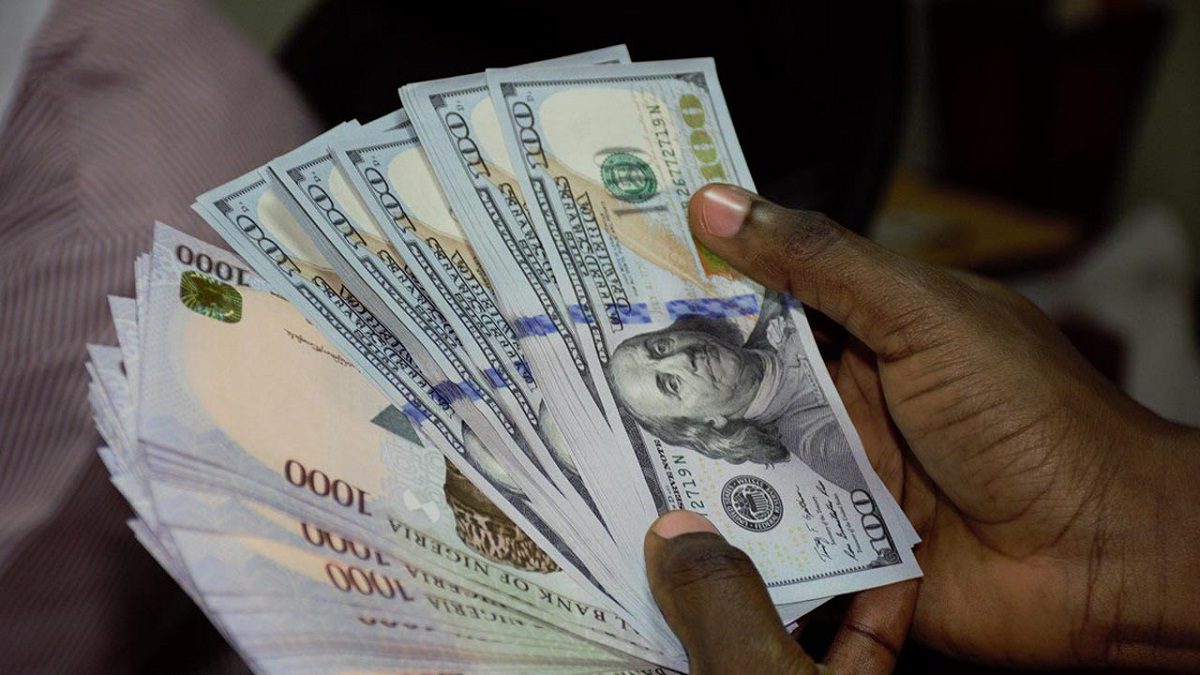
Naira Gains Ground Amid Enhanced Liquidity Conditions
On Tuesday, the naira appreciated against the dollar, driven by improved liquidity in Nigeria’s foreign exchange (FX) market. This development comes as Nigeria’s foreign exchange reserves have seen a decline, raising concerns for policymakers regarding the delicate balance of the economy.
Recent data from the Central Bank of Nigeria (CBN) revealed that the naira strengthened by 5.75 Naira to close at N1,382.63 per dollar, marking a 0.42% increase from the previous day’s rate of N1,388.38 in the Nigerian Foreign Exchange Market (NFEM).
In the parallel market, often referred to as the black market, the naira remained stable at N1,415 to the dollar. However, the gap between the official and parallel market rates widened, increasing from 27 Naira to 33 Naira within a single day, indicating persistent pricing distortions between the two segments.
Foreign Exchange Inflows Rise Despite Pressure on Naira
In February, Nigeria’s foreign exchange inflows experienced a significant uptick, rising for the third consecutive month. Strong participation from offshore investors contributed to an influx of $4.4 billion, a 45% month-on-month increase, as foreign portfolio investors looked to capitalize on high-yield opportunities within the country.
However, the naira continues to face mounting pressure due to increasing demand and the ongoing decline in foreign exchange reserves. As of March 23, 2026, reserves decreased for the sixth consecutive session, falling by 0.84% to $49.6 billion, down from a recent high of $50.02 billion on March 11, 2026.
Resilience in the Face of Declining Reserves
Even amidst this decline, VNL Capital Asset Management reports a notable improvement in the quality and availability of Nigeria’s foreign exchange buffers. Net available reserves have surged from $3.99 billion at the end of 2023 to $34.8 billion by the close of 2025, underscoring significant liquidity enhancements over the past two years.
Total reserves now exceed $45 billion, providing ample coverage for nearly ten months of imports. This strong position enhances Nigeria’s ability to withstand external shocks and meet import demands without exacerbating pressure on the national currency.
Structural Reforms and Their Impact
The improvements in foreign exchange reserves result from a series of structural reforms implemented by monetary authorities. Key changes, including the integration of foreign exchange markets and the liquidation of legacy swap debts, have eased pressures on Nigeria’s external accounts.
Additionally, heightened policy credibility has bolstered inflows from remittances, non-oil exports, and foreign investments. Tighter financial conditions have also stabilized the external sector by checking excessive demand for foreign currency.
Gold Accumulation Bolsters Reserve Stability
Moreover, the central bank’s strategy of accumulating gold has further fortified the composition of its reserves. By the end of 2025, gold holdings had risen to approximately $2.6 billion, with further increases to $3.5 billion in the first quarter of 2026. Notably, these purchases utilized naira from domestic mining production, preserving foreign currency while enhancing diversification.
This approach offers a natural hedge against inflation and exchange rate volatility, ultimately enhancing the resilience of Nigeria’s overall reserve portfolio. Analysts now assert that Nigeria’s foreign reserves are stronger, more transparent, and better managed than in the past, significantly reducing liquidity risk and providing greater flexibility for the central bank in managing exchange rates amidst external challenges.
These advancements mark a shift towards more sustainable reserves management that minimizes reliance on external borrowing, even as short-term pressures on the naira continue to mount.
