


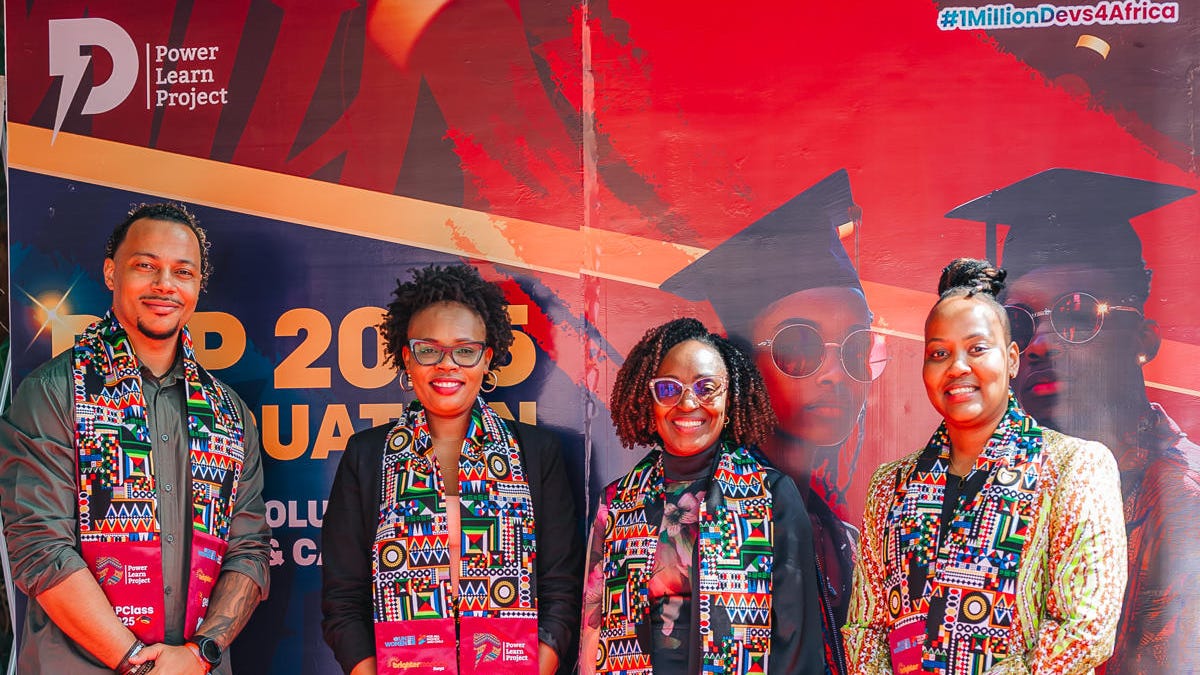
PowerLearn Project Africa Celebrates Graduation of 9,000 Software Developers
Nairobi, Kenya — The PowerLearn Project Africa announced the graduation of 9,000 software developers last Friday, elevating the total number of trained young innovators to over 20,000. These graduates presented digital solutions aimed at tackling the rising technology-fueled violence against women across the continent.
Hackathon Highlights Innovative Solutions to Combat Online Violence
The graduation ceremony coincided with a regional hackathon that spanned Kenya, Nigeria, Rwanda, South Africa, and Mozambique. Organized by UN Women’s Regional Office for East and Southern Africa and the African Girls Can Code Initiative, the event took place during the 16 Days of Activism Campaign Against Gender-Based Violence.
Finalists Showcase Potent Tools Against Cyber Violence
Among the five finalist teams was a platform specifically designed to combat online harassment, cyberbullying, deepfakes, and revenge porn targeting women in Africa. Anna Mutabati, UN Women ESARO Regional Director, highlighted the urgent need for action, stating that “one in three women faces online violence, effectively forcing them out of the digital space.”
Calls for Enhanced Collaboration and Investment in Youth Innovation
Mutabati underscored the importance of public-private partnerships, urging the private sector and governments to invest in youth-led innovation as a means to build a secure and inclusive technology landscape. UN Women’s reports reveal that technology-facilitated violence against women and girls remains alarmingly underreported across Africa, particularly affecting journalists, politicians, and activists.
Innovative Solutions Seek Funding for Development and Expansion
The hackathon yielded several remarkable solutions. ImaraZero, dubbed a “user interface digital bodyguard,” employs multimodal artificial intelligence to assess voice notes, screenshots, and text threats across seven African countries and seeks funding for further development. Another finalist, Safeguard, combines blockchain and AI to create a secure vault for digital evidence, while EveShield is a panic button app designed to enhance quick response capabilities in emergencies.
The Need for Addressing Gender Imbalance in Tech
Mumbi Ndung’u, executive director of the PowerLearn Project, emphasized the critical need to reduce labor costs for African businesses while supporting graduates in transitioning from education to employment. Ndung’u noted that Africa is at risk of losing its top engineering talent to international companies offering significantly higher salaries. “We must empower young people to develop local ecosystems,” she insisted.
Empowering Women in Technology Development
Highlighting the gender disparity in STEM fields, Mutabati pointed out that only 5-10% of AI developers are women. In an effort to address this imbalance, PowerLearn transitioned from its “skills first” strategy to a “talent first” approach, designating 40% of its software development scholarships to women. Since its inception, the organization has successfully trained over 38,000 young individuals, including nearly 4,000 women, across the continent.
Building a Future Driven by Inclusive Digital Innovation
The ceremony concluded with a career fair that connected graduates with employers like Brighter Monday, Gebeya, and Roamtech, facilitating on-site interviews. This graduation marks a significant milestone in addressing Africa’s dual challenges of cultivating technology talent and ensuring digital safety for women. As the continent’s digital economy grows, closing the gender gap in technology while protecting women from online violence is essential for sustainable development.
