


The startup and digital business landscape in Africa is grappling with a significant content challenge that founders and marketers acknowledge. Even with a solid product and a compelling story, the gap between having something valuable to communicate and the resources necessary to convey it—especially through video—has traditionally been daunting. As we approach 2025, video is set to become the dominant format for engaging audiences.
In many African markets, conventional video production costs remain prohibitively high for early-stage startups. Hiring a videographer in cities like Lagos, Nairobi, or Johannesburg for filming and post-production can consume a substantial chunk of a small business’s monthly marketing budget. Consequently, numerous promising African brands find themselves investing in video content only sporadically, resulting in limited returns as they depend heavily on less effective text and image formats that fail to leverage the social media distribution power that video provides.
However, the advent of AI-driven text-to-video tools presents an opportunity to transform this dynamic, making it easier for Africa’s digitally savvy entrepreneurs to engage their audiences effectively.
Text-to-Video AI’s Impact on African Enterprises
The proposition of text-to-video AI is straightforward: it converts written content—such as product descriptions, market insights, service overviews, and social media posts—into polished videos with appropriate visuals, text overlays, pacing, and audio. This eliminates the need for cameras, editing software, or an elaborate production schedule, allowing companies to focus on scriptwriting and storytelling.
This is particularly vital for African entrepreneurs targeting mobile-first audiences who consume video primarily on smartphones and other platforms. As these audiences increasingly rely on video content for purchasing and brand decisions, meeting them in their preferred format becomes critical. Text-to-video AI offers a cost-effective solution for businesses to achieve this consistently.
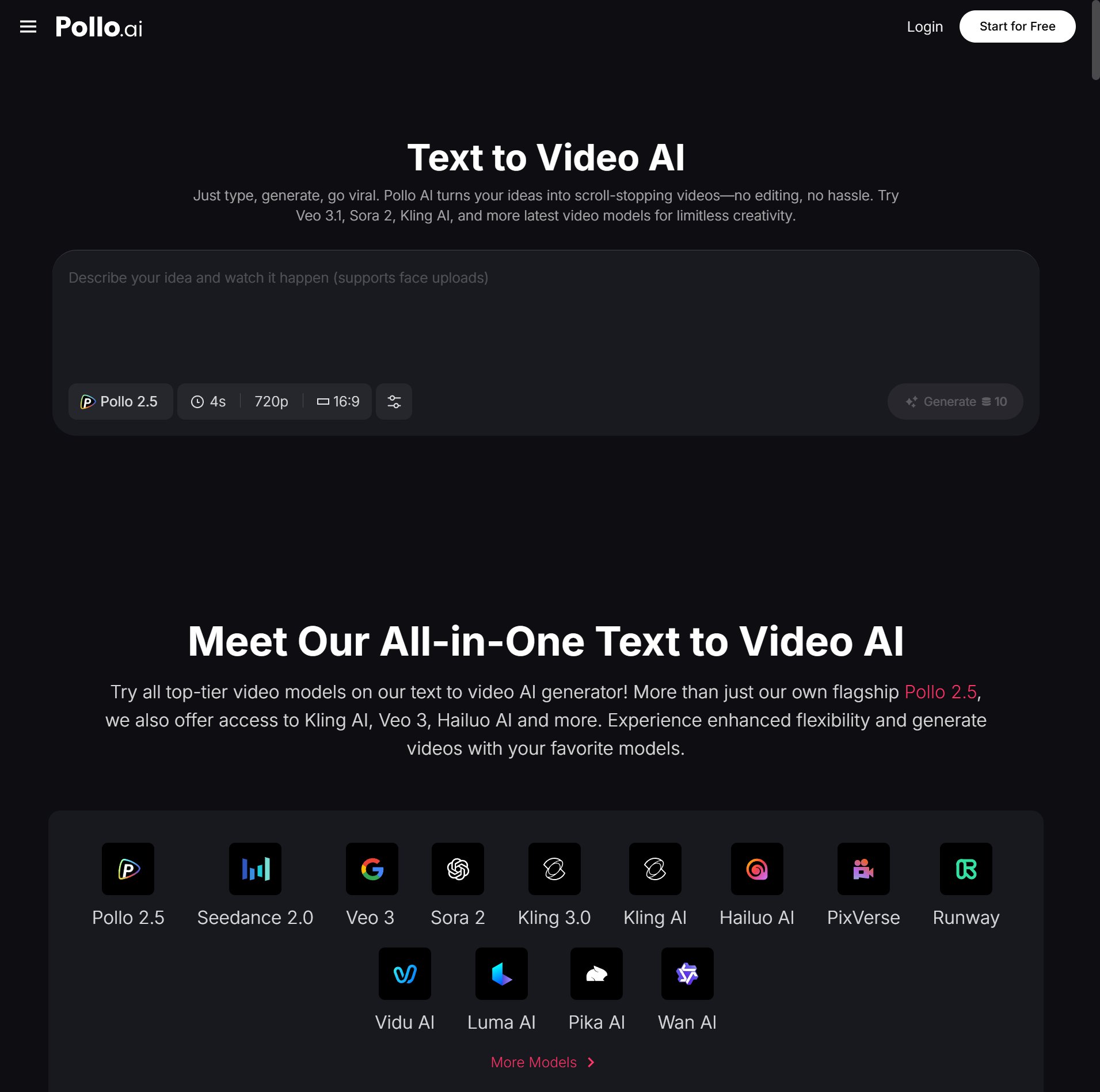
One of the more accessible tools is Polo AI, which facilitates this workflow by generating platform-ready videos from written content. Users can submit articles, product briefs, or tailor-made scripts, and Polo AI efficiently assembles visuals, pacing, and formatting suitable for various distribution channels, including YouTube, Instagram, TikTok, LinkedIn, and WhatsApp Business. This design is especially relevant for lean startups and small businesses navigating Africa’s demanding digital landscape.
Valuable Use Cases for Text-to-Video Technology
The most impactful applications of this technology for African businesses often revolve around several key content types. The greatest priority for startups is creating product or service explainers. Capturing a clear, engaging portrayal of what your business offers is crucial for attracting customers. Text-to-Video AI simplifies the creation of diverse explanatory content, adapting to various platform requirements and customer segments while enabling timely updates as products change. Traditional video production methods are often too costly for such iterative needs.
When it comes to educational and thought leadership content, video format greatly enhances reach compared to text-only posts or articles, helping founders and executives establish their credibility in Africa’s B2B sector. Regularly converting written insights into video content allows businesses to engage their professional profiles more consistently, driving inquiries and partnership opportunities.
In e-commerce, video content proves invaluable. Platforms like Jumia and Kilimall benefit from high-quality product videos, which generally yield better conversion rates than static images. Traditionally, producing videos for each SKU has been financially burdensome, but generating AI-assisted videos from existing product descriptions makes this feasible for a comprehensive catalog.
Broadening the Video Production Toolkit
While text-to-video AI effectively resolves scripted content workflows, there remains a demand for more specialized production capabilities, such as animated descriptions, branded templates, and graphics requiring stylistic control. Bidfly AI, accessible through Pollo AI, caters to these specialized needs, enabling businesses to produce animated content and promotional videos, thereby offering a full-spectrum video content strategy for growing brands.
Infrastructure and Connectivity Considerations
A realistic evaluation of AI tool adoption in Africa must consider the variance in infrastructure across urban and rural areas. Reliable broadband and smartphone quality can fluctuate significantly, and cloud-based AI tools function best under stable connectivity conditions. Entrepreneurs are encouraged to trial these tools within their specific environments to ensure operational viability.
Although major urban centers like Lagos, Nairobi, and Cape Town generally have sufficient connectivity, those in secondary markets may face challenges. Additionally, mobile data costs should influence content creation strategies; optimizing workflows by batching uploads during off-peak hours can reduce costs and enhance efficiency.
Seizing Wider Opportunities
Timing is crucial for digital enterprises in Africa. The video content format is still burgeoning in various markets, where the rapid escalation of adoption witnessed in mature digital economies is just beginning. With video now a baseline expectation rather than a differentiating factor, establishing a robust video presence can provide brands with a competitive edge as the market matures.
With cost and production barriers decreasing, consistent video content is more accessible than ever for small and medium-sized businesses. As audiences increasingly gravitate towards video, platforms dedicated to video content are investing in Africa’s potential. The remaining challenge lies in execution—businesses must cultivate content production habits and consistently publish to build the algorithmic momentum driven by regular video engagement. AI text-to-video tools address many production constraints, while the unique vision and insights that make African content compelling remain firmly in the hands of the creators.
