


Written by Ernest Bako Ubonto
Minister Advocates for Digital Integration in African Education
Education Minister Haruna Idris has called for a unified continental framework to incorporate digital technology into educational environments, emphasizing that Africa’s future prosperity hinges on the resilience and relevance of its educational systems.
Key Speech Delivered at the African Education Summit
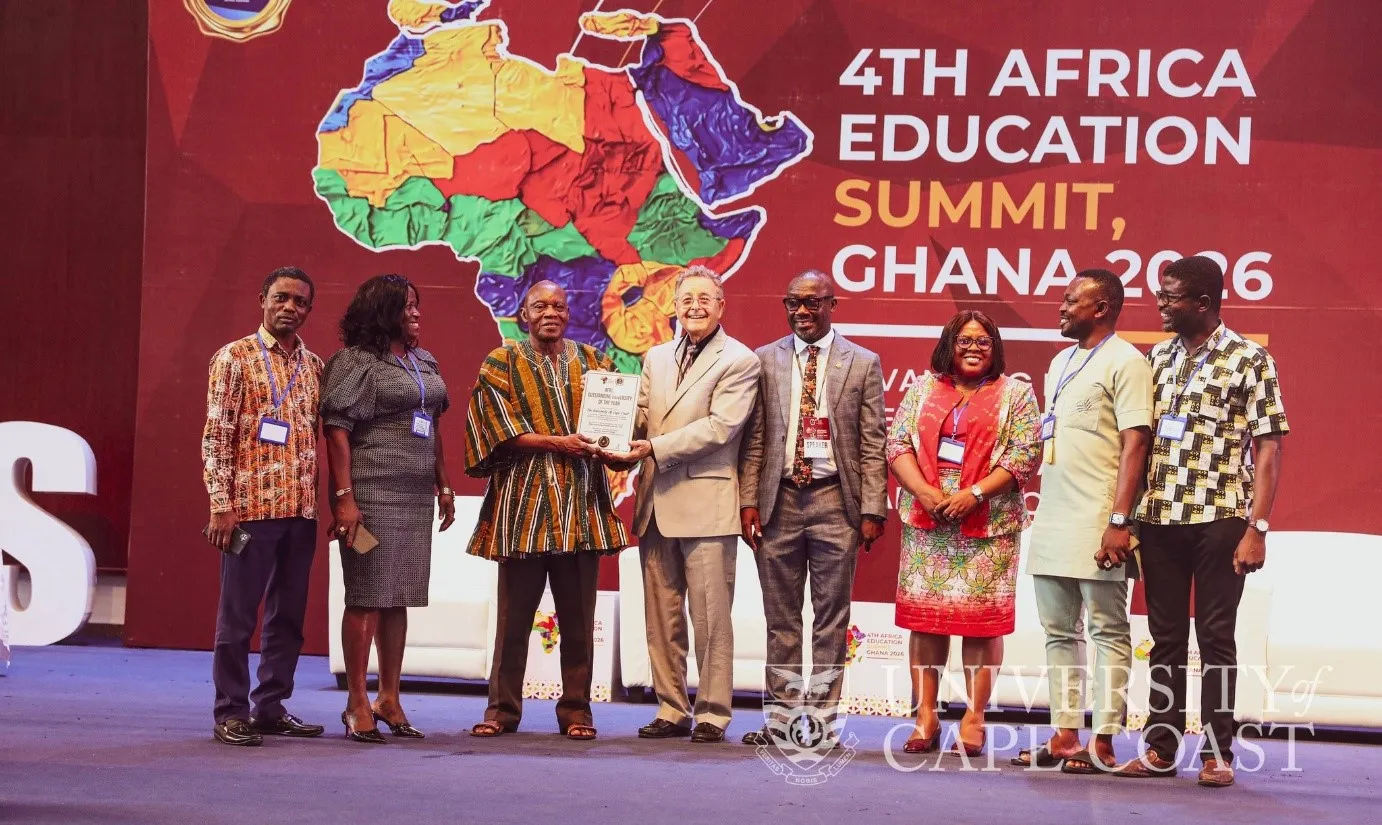
During the 4th African Education Summit, held at the University of Professional Studies in Accra, his message was conveyed by the Ministry’s Technical Adviser, Professor George K. T. Oduro. Idris highlighted the necessity for education to function as a great equalizer in today’s rapidly evolving technological landscape, rather than remaining a privilege for a select few.
Continued Commitment to Transformational Education
Idris emphasized the significance of the summit, which builds on a rich tradition of collaboration among educational leaders from previous gatherings in Kigali, Nottingham, and Victoria Falls. He stated that the 4th Africa Education Summit represents a movement dedicated to innovating education through cooperation and visionary leadership.
Timely Focus on Educational Technology
The Minister pointed out that this year’s summit theme, “Advancing Educational Technology Integration in African Education: A Unified Roadmap for Action,” comes at a critical time. He observed that as digital technologies are reshaping worldwide economies and societies, it is essential for Africa’s educational systems to evolve alongside these changes.
Innovative Initiatives in Ghana’s Education Sector
He showcased Ghana’s commitment to placing educational technology at the core of national reform, mentioning initiatives such as the deployment of subject-specific artificial intelligence applications in high schools. These tools were developed in partnership with organizations like Transforming Teaching Education and Learning (T-TEL) and the Mastercard Foundation, aimed at enhancing lesson preparation, assessment, and classroom delivery in line with national curriculum standards.
Addressing Challenges in Education
While celebrating these advances, Idris acknowledged that challenges persist both in Ghana and across the African continent, including deficiencies in digital infrastructure, connectivity, teacher training, and access to relevant educational resources. He posed the critical question of how Africa can leverage its natural resources and human capital to effectively tackle these issues through a localized approach.
Call for Partnerships and Unified Strategy
In closing, the Minister underscored the necessity for strong partnerships between governments, educational institutions, development partners, and the private sector to create resilient, technology-enabled education systems. He urged attendees to leave the summit equipped with a clear, unified roadmap to responsibly and sustainably integrate educational technology across the continent.
