


Africa’s Paradox: Rich Resources, Widespread Energy Poverty
A troubling narrative has long persisted about Africa, a continent brimming with natural wealth yet hindered by systemic energy poverty. With access to 40% of the world’s renewable energy and 18 trillion cubic meters of natural gas, it is paradoxical that over 600 million Africans still live without electricity. This disconnection illustrates a story of untapped potential, where resources exist, but the means to harness them are sorely lacking.
AETC 2026: Bridging Gaps in Energy and Technology
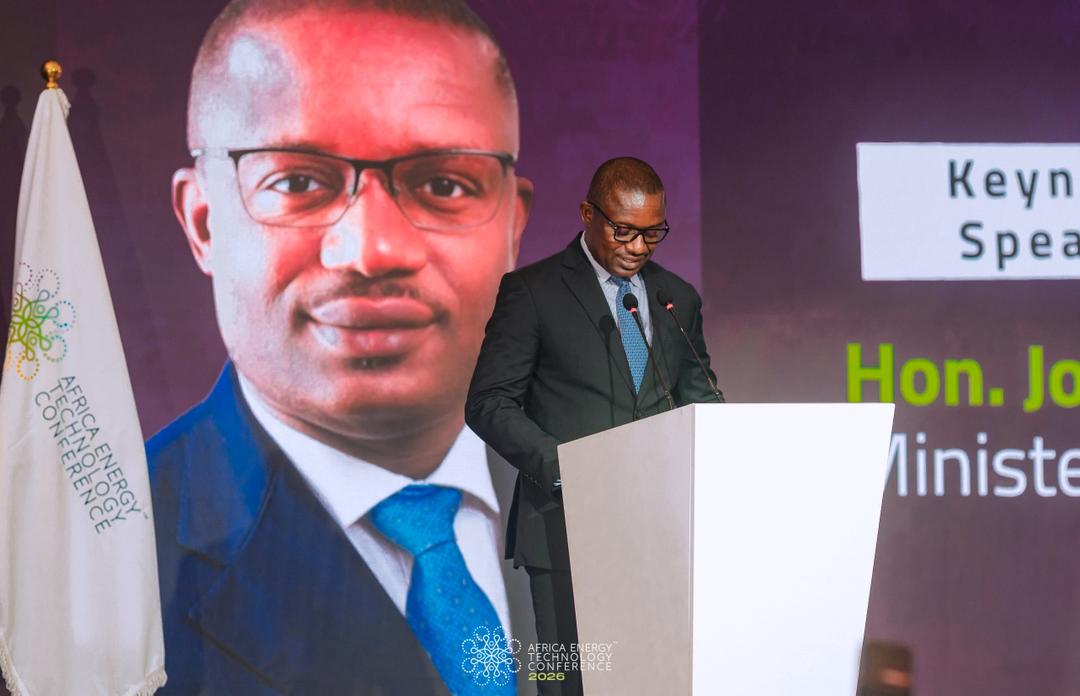
The African Energy and Technology Conference (AETC 2026) recently convened in Accra, concentrating on the theme: From Borders to Bridges: Facilitating Intra-African Trade and Development through Energy and Technology Services. The urgency to transition Africa from economic isolation to structural harmony was palpable. The event emphasized that energy and technology are interdependent, with the former being dormant potential without the latter’s innovation. Together, they form the backbone of a modern, integrated African economy.
Institutional Innovation Fueled by AETC
This year’s AETC marked a significant turning point characterized by intentional and robust implementation efforts. Leading this change is the African Energy Technology Center (AETC), based in Accra. The Center aims to shift Africa from being a passive consumer of imported technology to a dynamic, competitive producer of native innovations.
Transformational Initiatives for Energy Advancement
To address energy challenges, AETC introduced three flagship initiatives aimed at fundamentally reshaping Africa’s energy landscape. The Youth Energy Entrepreneurship and Incubation Program (YEEIP) empowers the youth by providing technical training, mentorship, and funding, ensuring they have a significant role in Africa’s energy future.
Innovative Centers Paving the Way for Progress
The Africa Smart Energy Technology & Innovation Hub (ASETIH) stands as Africa’s inaugural research center focused on energy innovation and workforce development. ASETIH aims to nurture an ecosystem where Africans can design, patent, and own high-value energy technologies, promoting local content development and moving beyond traditional labor roles.
Empowering Consumers with the GNSPI
The African National Solar Power Prosumer Initiative (GNSPI) represents a groundbreaking shift by transforming ordinary consumers into decentralized clean electricity producers, or “prosumers.” Through smart rooftop solar technology and a net metering framework, GNSPI will democratize energy access and ensure economic productivity isn’t hampered by power outages.
A Pragmatic Approach to Energy Integration
AETC’s strategy advocates for a pragmatic integration of advanced technologies into traditional oil and gas operations, alongside renewable energy sources. This dual approach reflects a pressing continental reality: to industrialize, Africa requires a comprehensive energy strategy that leverages diverse resources effectively.
A Global Call to Action for Stakeholders
The AETC leadership has urged heads of state, institutional investors, and international policymakers to rethink their approach and consider Africa as a cohesive energy ecosystem instead of a collection of fragmented markets. Regulatory harmonization across borders is essential to promote private capital flows, thus enabling the region’s energy infrastructure to modernize.
Investing in Youth as a Catalyst for Change
As the conference underscored, fostering youth innovation is critical. Investors are encouraged to support emerging talents showcased in initiatives like the Continental Pitch Initiative. For Ghana, hosting ASETIH positions it strategically at the forefront of Africa’s energy transition, making sustained investment in education and regulatory modernization imperative for long-term success.
Reimagining Borders for a Unified Energy Future
The essence of Akuma’s message revolved around a reconfiguration of Africa’s political landscape. “Let’s stop building walls of bureaucracy and start building bridges of power,” she proclaimed, emphasizing that borderless energy markets do not require unproven technologies or unratified agreements. Instead, they demand synchronized political will to break down barriers that have stifled progress for decades.
Empowering Africa’s Energy Future
AETC is operating on the belief that economic integration will ultimately trump political division. For a continent of over 600 million people yearning for power, the time for mere words has passed; action is essential. The Africa Energy Technology Center is poised to make a difference one young entrepreneur, one technology hub, and one solar producer at a time. The tools lie in the hands of Africans, and now the question remains: Do global institutions and leaders possess the strategic courage to support this movement?
