


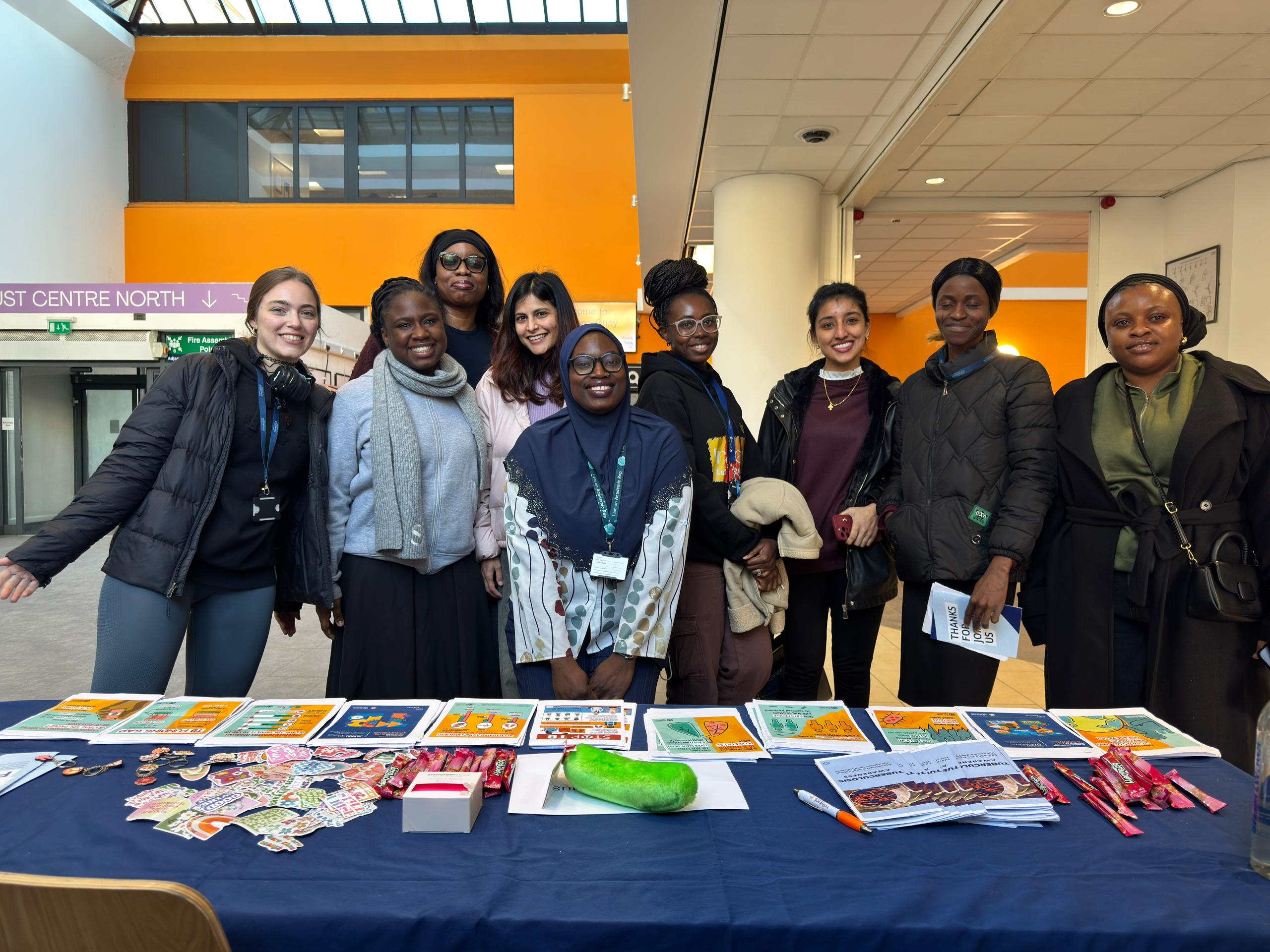
World Tuberculosis Day Inspires Global Commitment
World Tuberculosis Day serves as a vital moment for reflection and renewed commitment in the ongoing global battle against tuberculosis (TB). This year underscores the urgent need for collective responsibility and decisive action to confront a disease that remains the leading infectious cause of death worldwide, resulting in over 1.2 million fatalities annually.
The Challenge of Tuberculosis in Low-Income Regions
Despite notable advancements in diagnosis and treatment, tuberculosis continues to have a disproportionate impact on low- and middle-income countries. Challenges such as limited health care access, late detection, and inadequate treatment adherence persist, hindered by systemic issues that exacerbate the crisis.
Empowering Communities to Combat TB
The theme for this year, “Yes! We Can End TB: Lead by students. Powered by people,” highlights a critical truth: eradicating TB requires more than just the efforts of governments and scientists. It calls for a united front involving policymakers, healthcare professionals, researchers, and local communities, all collaborating to drive meaningful change.
Addressing Treatment Limitations
While progress is being made, the limitations of current TB treatments must not be overlooked. The long duration of existing drug therapies, often accompanied by severe side effects, is compounded by the alarming rise of drug-resistant bacterial strains. This situation necessitates urgent innovation in drug development, particularly in identifying new drug targets, fostering quicker and more effective treatments, and sustained investment in tuberculosis research.
Pioneering Research by Badmus Mariam
At the forefront of this research effort is Badmus Mariam, a Nigerian scientist currently pursuing her PhD at the University of Huddersfield. Holding a degree in Biochemistry from the Federal University of Agriculture, Abeokuta, along with a Master’s in Biomedical and Analytical Sciences from the same institution, her work focuses on identifying novel drug targets from previously uncharacterized Mycobacterium tuberculosis P450 enzymes.
The Urgency of Tuberculosis Research in Nigeria
Mariam’s research transcends academia; it addresses a pressing public health crisis in Nigeria, where access to treatment is severely limited. Many individuals continue to suffer and die due to the difficulties associated with long-term drug regimens, emphasizing the urgent need for her innovative work to impact vulnerable populations positively.
Collaboration and Investment in TB Elimination
Organizations such as the World Health Organization and the Nigeria Center for Disease Control are vital for coordinating effective responses to tuberculosis. However, achieving sustained progress hinges on increased investments in research, bolstering healthcare systems, and enhancing community awareness regarding TB prevention and treatment.
The possibility of eradicating tuberculosis lies within our reach, but this can only be achieved through relentless urgency rather than complacency. The ongoing advancement of science, the improvement of treatment tools, and dedicated researchers like Badmus Mariam are crucial to mounting a global effort against this disease.
As we observe World Tuberculosis Day, the message is unequivocal: defeating TB requires a unified approach. Governments must prioritize funding, researchers must continue their innovative pursuits, healthcare workers should be empowered, and communities need to stay informed and engaged. Yes, tuberculosis can indeed be eradicated—but only through collaborative action.
