


Massachusetts House Moves Forward With Immigration Protections
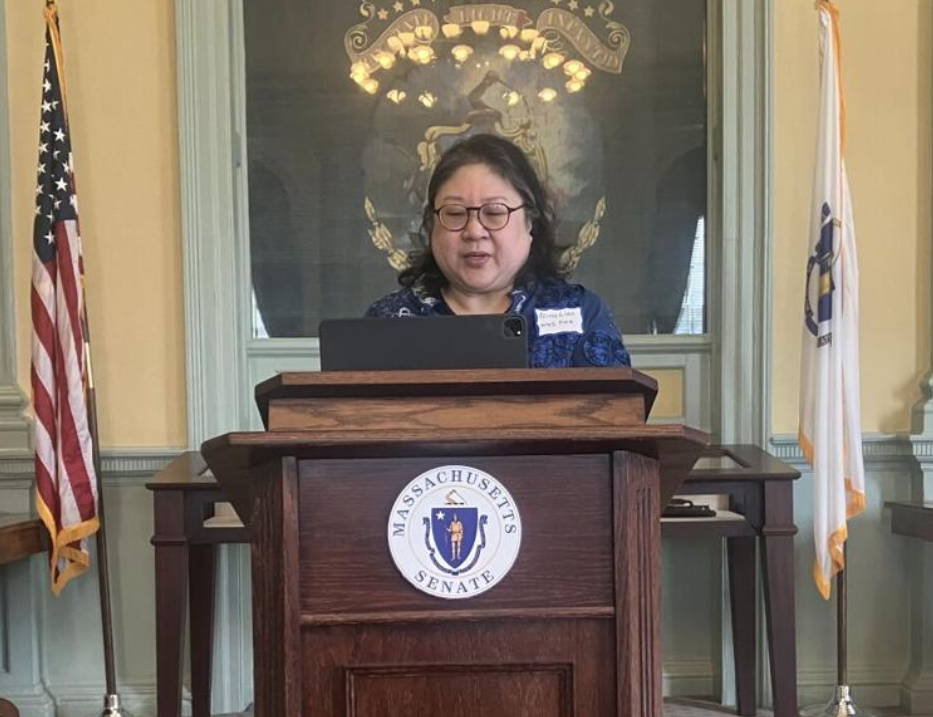
As the Massachusetts House takes significant steps toward safeguarding civilian immigrants in court, a group of doctors gathered at Beacon Hill on Wednesday to advocate for similar protections in medical facilities. Their visit underscores the urgent need to address the potential chilling effects of immigration enforcement on healthcare access.
In her January budget proposal, Governor Maura Healey put forth a plan to restrict private immigration enforcement actions in non-public areas of hospitals and healthcare facilities, unless a judicial warrant is presented. Unfortunately, this provision was absent from the recently approved Protection Act (H 5305), which passed an initial vote in the House earlier this week.
Leda Anderson, the director of advocacy and administration for the Massachusetts Medical Association, highlighted a growing concern among medical practitioners. Many are experiencing increased cancellations and no-shows, while staff members express fear about coming to work due to immigration enforcement activities.
Anderson noted, “We understand that many are witnessing firsthand how current immigration enforcement tactics are influencing patient behavior. Patients are apprehensive about seeking essential medical care, leading to delays that can severely impact their health.” Such delays can have significant ramifications for preventive care, management of chronic diseases, and urgent medical needs.
When House Speaker Ron Mariano was questioned about the absence of protective measures, such as those proposed by Governor Healey, in schools and health facilities, he responded, “It’s a complex issue that we can’t simplify. Introducing specific measures would mean continually moving the goalposts.” Mariano emphasized the importance of a structured assessment to address various concerns surrounding such proposals.
An ongoing House appropriations bill aims to empower governors in Massachusetts to dictate where immigration enforcement can take place on federal land. Additionally, it allows for the development of regulations concerning which state agencies are shielded from actions taken by U.S. Immigration and Customs Enforcement (ICE). Public Safety Co-Chairman Rep. Daniel Cahill expressed that the governor and attorney general’s office could provide guidance for schools, hospitals, churches, and private employers regarding how to handle potential ICE interventions.
Rep. Andy Vargas, chair of the Black and Latino Legislative Caucus, reinforced the need for transparency with constituents about the real possibilities concerning immigration safety. He expressed caution regarding expectations for what constitutes a “safe space” in the current political climate, which remains in flux.
Cahill added that codifying particular spaces into law might limit their flexibility to adapt to changing circumstances. “Granting the governor the authority to regulate immigration enforcement on federal land provides Massachusetts with a more agile framework, facilitating a swift response to emerging issues and allowing for proactive measures,” he stated.
