


Navigating Perceptions of Nigeria’s Development
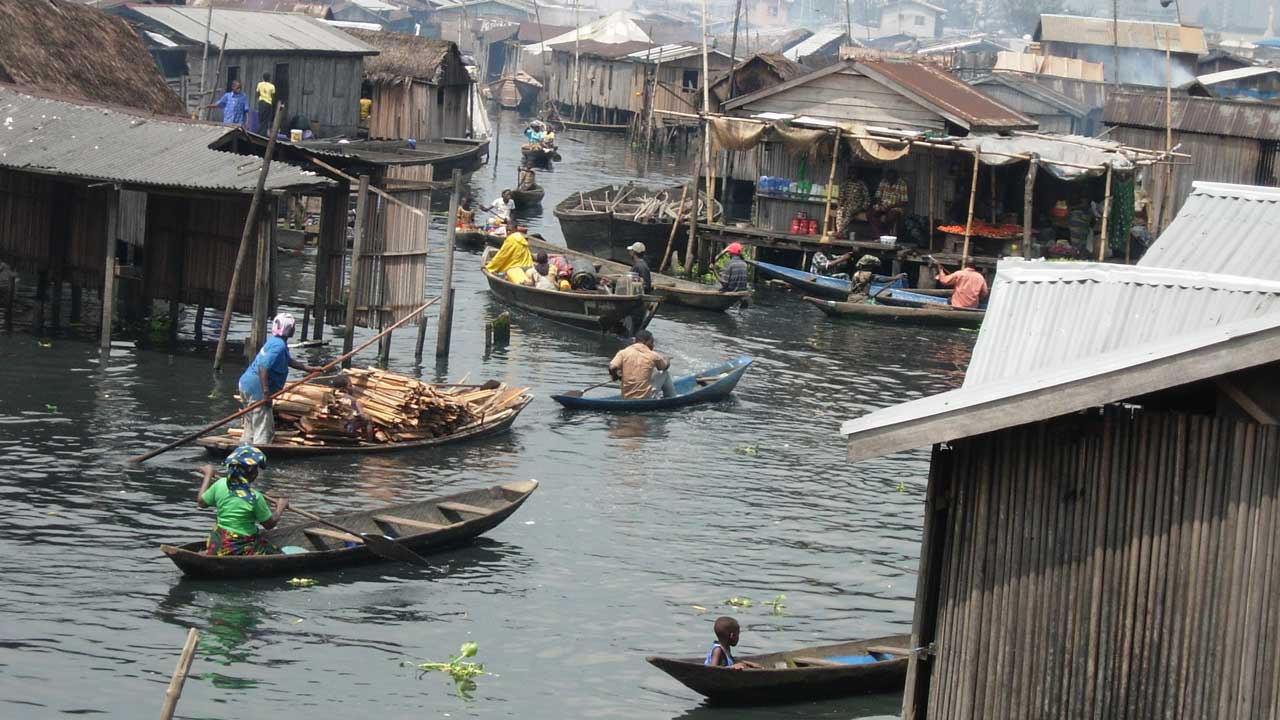
Recently, while watching BBC Breakfast, a popular morning news program in the UK, I caught a promotional segment for a documentary featuring a British journalist’s visit to Nigeria. Strikingly, over 20 seconds of this brief promo were dedicated to visuals from Makoko, a coastal community in Lagos recognized as Nigeria’s largest slum. In contrast, the highlights from Nigeria’s more urban and developed areas received minimal attention.
Seeing Makoko showcased in such a light elicited a sigh from me, not out of disappointment towards the media outlet, which is likely perpetuating existing perceptions of Nigeria, but rather because I know that amidst the challenges the country faces, there are successful initiatives and ongoing reforms worth spotlighting. It’s disheartening that foreign media often reduce Nigeria to a mere symbol of global underdevelopment, a narrative I believe is both unkind and unfair.
What surprises me is the array of questions I receive from non-Nigerians. Inquiries about whether we have a functional banking system, operational schools, or even vacation spots are rampant. A colleague in the telecommunications industry recently shared how his manager was astonished to learn he was fluent in English. Similarly, a mentor recounted how he sarcastically replied to someone inquiring if modern houses exist in Nigeria, suggesting that everyone must live in trees.
Such misconceptions are often rooted in a narrative perpetuated by international media and exacerbated by many Nigerians’ reluctance to stand up for their nation. One British woman, expressing concerns about her safety before her visit to Nigeria later this year, prompted me to spend half an hour clarifying that kidnappings are not as commonplace as the media may suggest. I shared a video I had recorded during a visit by the British Home Secretary, assuring her that Nigeria is indeed a safe and welcoming place for tourists.
It is evident that pessimism seems to dominate discussions about Nigeria. Unfortunately, denigrating the country often garners more attention than acknowledging its progress. This trend appears more pronounced among Nigerians compared to individuals from other regions facing similar challenges, such as South America or Eastern Europe. Most citizens from these areas are less inclined to openly criticize their own nations.
It’s crucial to understand that while Nigeria undoubtedly grapples with pressing issues like hunger, poverty, and education deficits, it also showcases significant advancements. Initiatives such as affordable education, robust telecom services, and a burgeoning digital economy are paving the way for change. Additionally, improvements in infrastructure, emergency response systems, and financial services reflect ongoing developments that deserve recognition.
The process of nation-building is continuous. Although I occasionally feel frustrated by the slow pace of progress, there’s a growing sense that Nigeria is gradually but assuredly turning a corner. Compared to other countries often used as benchmarks, Nigeria’s complexities—stemming from its size and population—present unique challenges. While I hold political leaders accountable for their shortcomings, I also believe that the strides we’ve made should not be overshadowed by our difficulties.
President Bola Tinubu’s recent remarks resonate with this sentiment. He emphasized the importance of not blaming the country for the actions of its leaders, urging citizens to remain hopeful and constructive: “Don’t curse Nigeria. This is a beautiful country.” His words encapsulate the idea that we can critique leadership without degrading the identity of our nation. Constructive criticism and acknowledgment of our successes can coexist.
For a shift in global perceptions of Nigeria, we must strive for honest assessments, acknowledging both our challenges and the progress we’ve achieved. Reimagining Nigeria starts with each citizen embracing their role as ambassadors of our nation. If we wish to reshape the global narrative, the onus is on us to initiate that change from within.
Awogbenle, a development and public policy expert, wrote from the UK. He can be reached via email at: (email protected).
