


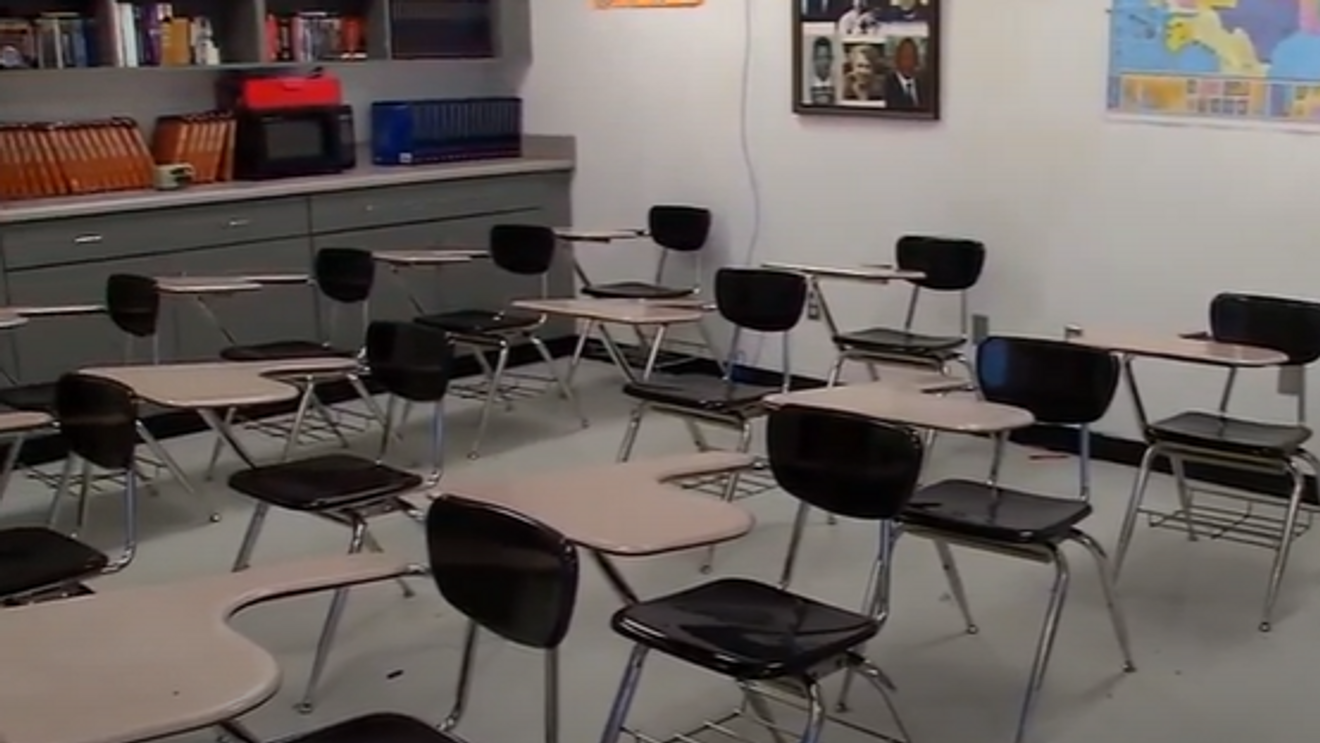
NASHVILLE, Tenn. (WZTV) — Tennessee lawmakers are currently deliberating a bill that could significantly alter the treatment of undocumented immigrant students within public schools.
Two versions of the proposed legislation are on the table, and lawmakers face the task of determining which one to move forward with.
The Senate version proposes to allow public schools to reject admission to students unable to demonstrate legal residency in the country. Notably, individuals actively pursuing U.S. citizenship or those eligible for legal immigration or visas would be exempt from this policy.
Additionally, schools could choose to permit attendance only for those who have paid tuition.
On Thursday, Senate co-sponsor Beau Watson opted to postpone a vote, as he deliberates whether to support the Senate version or switch to the House alternative.
The House version, as outlined by House Minority Leader William Lamberth, aims to quantify undocumented students in public schools and provide that data to the state Department of Education. “We don’t need names or addresses; we simply want a number,” Lamberth stated.
When asked about the potential use of the collected data, he indicated that further action would be considered based on the findings. Lamberth emphasized that this bill is not intended to target immigrants. “We are not looking for undocumented children,” he clarified, explaining that these are individuals who have never been legal citizens and may not have ever possessed documentation.
Concerns about surveillance are echoing through the community. Gustavo Quintero, a Honduran immigrant, expressed his alarm, stating, “I’m worried that my children will be arrested and deported.” He noted that others, including a friend from Guatemala, share similar fears.
Parent TC Webber, a U.S. citizen whose children are enrolled in Metro Nashville Public Schools, acknowledged the complexity of the situation. “We must ensure we are providing appropriate services to all students, but resources are not infinite,” he remarked, voicing concerns over how resources are allocated. “If you’re a U.S. citizen, I believe you should be given priority.”
The Senate had previously passed a bill last year allowing schools to deny admission to those illegally residing in the country. However, Lamberth’s latest version presents a different approach that is under review this year.
Senate Sponsor Beau Watson conveyed that ongoing discussions between the two chambers are crucial. “This bill remains on our calendar so we can engage further with our colleagues and consider the differences between the House and Senate versions. The Senate’s prior passage reflects a commitment to a thoughtful and balanced approach, while the House has its own priorities that warrant consideration. Achieving policy consensus requires time for dialogue and collaboration,” he stated.
Updates on the Senate’s decisions will be communicated as they unfold.
