


Controversy Surrounds Military Leader’s Call for Terrorist Rehabilitation
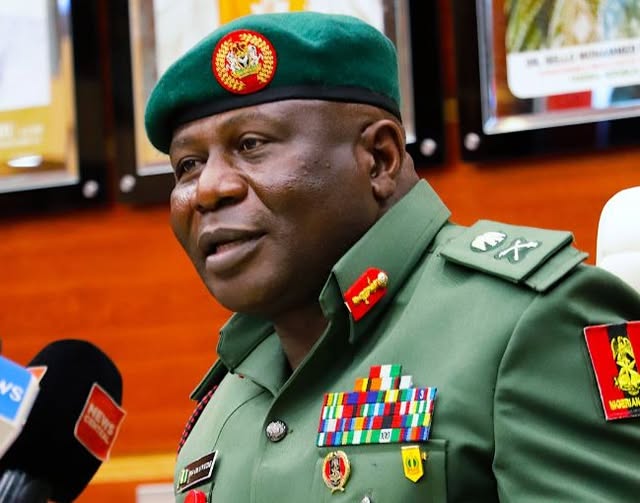
Chief of Defense Staff Olufemi Oluyede has ignited a heated debate by advocating for the rehabilitation of Nigerian terrorists rather than their outright elimination. His remarks were made during the inaugural address of the Armed Forces Joint Doctrine Warfare Center (JDWC) at the Nigerian Army Conference Center in Abuja.
Oluyede’s comments come as public scrutiny intensifies over Operation Safety Corridor, the military’s initiative aimed at deradicalizing and reintegrating former armed group members who surrender. During his speech, he addressed widespread criticism of the program, emphasizing the need for a nuanced approach in dealing with individuals who choose to renounce violence.
He acknowledged the prevailing sentiment among many Nigerians that terrorists “deserve to be killed” for their crimes. However, he urged the government to explore options that allow those willing to abandon their extremist beliefs the chance for redemption. “When we talked about Operation Safety Corridor, many asked why we should rehabilitate criminals. While this viewpoint may seem valid, we must remember the value of second chances,” he stated.
Using a Biblical reference, he argued that like the prodigal son, individuals should be afforded the opportunity to return to society. “If there was no chance for him to come back, would he have returned?” Oluyede questioned, reinforcing the idea that rehabilitation can lead to positive outcomes.
He also stressed the importance of public and legislative understanding of the program, which is currently managed by the General Defense Command. “It’s crucial for both the public and Congress to grasp that the implementation of safe corridors is driven by the Defense Headquarters,” he noted, aiming for greater transparency around Operation Safety Corridor.
However, the Chief of Defense Staff’s remarks have elicited outrage among many citizens, who believe the policy fails to adequately address the severity of the violence perpetrated by insurgents against civilians and military personnel. Critics argue that the current approach appears to encourage further violence, as the security forces lack the necessary strength to counteract the ongoing terror.
Concerns are also mounting about the potential for recidivism among rehabilitated fighters, with reports suggesting that some may return to insurgent activities or act as informants for remaining militants. A resident of Damaturu, Yobe State, expressed dismay, stating, “The war has taken a tremendous toll on human lives, yet there seems to be room for sympathy for those who perpetrate such violence.” Others have raised suspicions that financial motivations might be influencing the ongoing support for the program, questioning the integrity of those allocating funds for it.
The conversation surrounding rehabilitation versus punishment continues in light of Nigeria’s ongoing battle with insurgency, which has persisted for over a decade, leading to thousands of deaths and millions of displacements. As the nation grapples with this complex issue, the debate over the effectiveness of the counterterrorism strategy remains contentious.
