


A New Form of Currency in Nigeria’s Elite Circles
In Nigeria’s high society, a new form of prestige has emerged—one that rivals vintage champagne at a Banana Island soirée and is more exalted than a front-row seat at a billionaire’s daughter’s wedding on Lake Como. The coveted item is not material wealth but rather a presidential greeting. This acknowledgment—never a handshake, audience, or photo—comes in the form of a meticulously crafted message from the commander in chief, echoing authority across the social spectrum and lending an air of importance akin to a divine endorsement.
The Allure of Presidential Recognition
The Nigerian elite have clearly embraced this phenomenon. In a nation where proximity to power defines social standing, even a formal nod from the presidency shines brightly. Though it may seem a mere token, such recognition serves as an unspoken validation of status, whispering to society that one’s ascent, or contributions, have not gone unnoticed. This social currency is rich with implications and invites speculation on the meaning behind these gestures.
The Surging Demand for Presidential Greetings
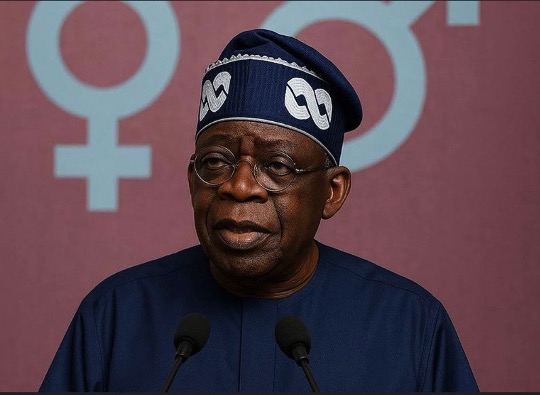
Under President Bola Ahmed Tinubu, the art of the presidential address has not only endured but evolved into a robust social institution. Birthdays, anniversaries, and corporate milestones are increasingly accentuated by messages from the Villa, suggesting a shift in the presidency’s role within elite celebrations. On the surface, this trend appears benign, an embodiment of civility and acknowledgment that should be universally welcomed. Yet, the question arises: when did the presidency become so accessible?
A Shift in Presidential Dynamics
Historically, the office of the presidency projected an aura of distance and solemnity, with messages reserved for significant national crises or achievements. The solemn pronouncements of yesteryears have now made way for a presidency that seems more engaged in society’s social calendar than ever before. Among Nigeria’s elite, the expectation that milestone events will draw presidential attention has crystallized, akin to anticipating a fine vintage at dinner.
The Implications of Frequent Acknowledgment
This burgeoning custom introduces an intricate web of interactions and intermediaries who facilitate access to presidential greetings. While some may consider these exchanges standard protocol within the intricacies of governance, perceptions matter greatly. For the general populace, these greetings can feel disconcertingly elitist, signaling a presidency acutely attuned to the desires of the privileged even as national concerns continue to mount.
The Global Perspective on Presidential Roles
This phenomenon is not unique to Nigeria; ceremonial greetings exist globally, reflecting cultures of respect and celebration. However, the once-rare acknowledgment is now becoming nearly routine. Countries with storied presidential histories—like the United States and the United Kingdom—maintain a distinct boundary between the state and society, reserving public messages for moments of national significance rather than personal celebrations.
The Need for Balanced Recognition
Nigeria’s cultural fabric blurs these lines, valuing visibility and connection. While such traits are admirable, there are risks. When the highest office becomes a frequent attendee at private celebrations, it can inadvertently dilute the very power it symbolizes. The elevation of the presidency risks transforming it into something resembling a social appendage rather than the revered institution it should embody. As these greetings become more common, questions arise about their legitimacy and the true breadth of national representation.
Preserving the Dignity of the Office
In navigating this landscape, it is essential for President Tinubu to recognize that his office carries profound symbolic weight. Leadership, after all, involves discerning what actions enhance the dignity of the presidency. The current enthusiasm for presidential greetings may feel extravagant, but it serves as a reminder of the delicate balance between accessibility and authority. The presidency must represent all citizens, not just the connected few, and its voice should resonate far beyond the banquet halls of the elite, touching the everyday lives of ordinary Nigerians.
