


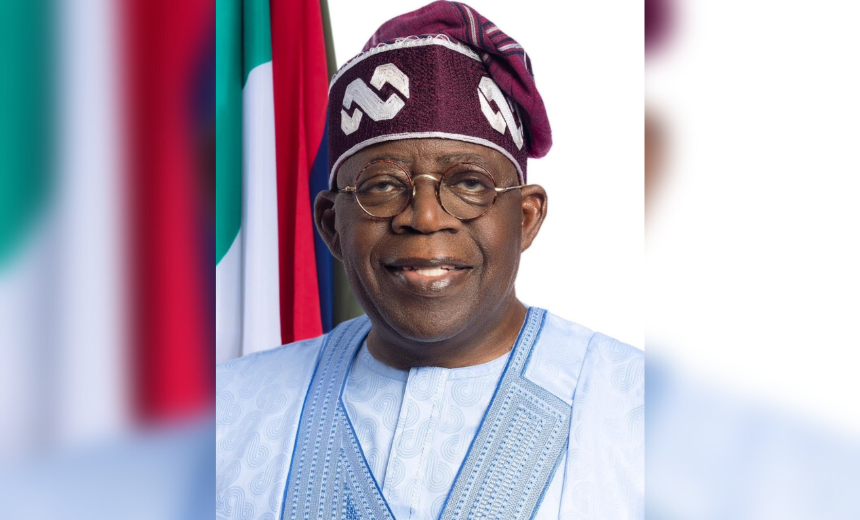
Assessing the Early Years of Tinubu’s Administration
The Center for the Promotion of Private Enterprise has stated that the initial three years of President Bola Tinubu’s administration were primarily dedicated to restoring macroeconomic stability. This effort came in response to critical fiscal, monetary, and foreign exchange challenges. However, the organization has noted that the anticipated benefits of these reforms have yet to fully materialize into widespread welfare improvements.
Economic Challenges at Inception
Dr. Muda Yusuf, the Chief Executive Officer of CPPE, evaluated the administration’s economic performance, acknowledging that the government began its tenure facing severe issues. These included foreign exchange illiquidity, multiple exchange rates, a decline in investor confidence, and decreasing foreign exchange reserves. He emphasized the significant fiscal strain created by entrenched revenue financing and fuel subsidy systems, which contributed to fiscal leakages and economic distortions.
Key Reforms in Economic Policy
Yusuf highlighted the abolition of fuel subsidies and the unification of exchange rates as critical reforms that support the government’s economic stabilization policies. He explained that removing subsidies has alleviated some pressure on public finances and laid the groundwork for a more sustainable downstream oil sector. Additionally, he noted that exchange rate harmonization has enhanced price discovery in foreign exchange markets, thus reducing opportunities for arbitrage.
Inflationary Effects and Cost of Living
Nonetheless, Yusuf cautioned that these reforms have come with substantial adjustment costs. The initial impact was a significant inflationary shock; energy prices surged alongside rising transportation and logistics costs, leading to increased production expenses. The weakened naira further amplified inflationary pressures on imports, contributing to a decline in real incomes, exacerbating poverty, and creating a cost of living crisis.
Signs of Economic Recovery
Despite these challenges, Yusuf noted signs of macroeconomic recovery. Foreign exchange reserves have climbed to nearly $50 billion, the trade balance has remained positive, and investor confidence has improved. Furthermore, fluctuations in exchange rates have moderated since 2025. The economy experienced 11 consecutive months of disinflation from early 2025 until February 2026, although inflationary pressures resumed following geopolitical tensions in March 2026.
Trends in the Capital Markets
The CPPE chief also pointed to a robust performance in the capital markets, with the Nigeria Exchange All Shares Index rising significantly—from approximately 55,700 points in 2023 to over 254,000 points by 2026. Market capitalization saw a remarkable increase, surging from about N30 trillion to over N160 trillion. He attributed these positive developments to improved financial discipline resulting from the suspension of revenue financing and the emergence of domestic refining capacity, particularly at the Dangote refinery, which has bolstered both foreign exchange conservation and energy security.
Remaining Challenges and Future Directions
Despite observable gains, Yusuf underscored that numerous challenges remain unresolved, including escalating inflation, weakened purchasing power, and fragile consumer confidence. The administration now faces the imperative of not merely stabilizing the economy but also translating reform outcomes into job creation, income enhancement, poverty reduction, and overall quality of life improvements for Nigerians. Moreover, Yusuf pointed out that insecurity poses a critical threat to agricultural productivity, rural livelihoods, and investments, stressing that effective food security cannot be achieved under such conditions.
Fiscal Sustainability and Reform Outlook
Further discussing fiscal sustainability, Yusuf revealed that public debt has risen to N159.3 trillion as of December 2025, partially due to naira depreciation and the monetization of N23 trillion in traditional revenue debt. While ongoing tax reforms may fortify government revenues and enhance fiscal capacity, he emphasized that concerns regarding debt sustainability and fiscal space persist. Governance, transparency, and accountability are essential to maintaining public support for ongoing economic reforms. Looking ahead, Yusuf suggested that future initiatives must focus on translating macroeconomic stability into inclusive growth, emphasizing the need for increased investments, productivity, energy security, industrial competitiveness, and poverty alleviation.
