


Stranded Sailors Face Uncertain Future Amid Rising Tensions
HONG KONG — A young sailor from India and his crew find themselves on high alert, spending their nights on deck, occasionally witnessing rockets flying overhead. This challenging experience has turned what was supposed to be a routine oil transport across the Persian Gulf into a prolonged nightmare, as the 28-year-old sailor has been stranded for an entire month due to escalating tensions from the Iran conflict.
“We stay awake on deck because we don’t know what will happen next,” the sailor, who requested anonymity out of concern for his safety, expressed in an interview from Iraqi waters shortly after an airstrike occurred nearby.
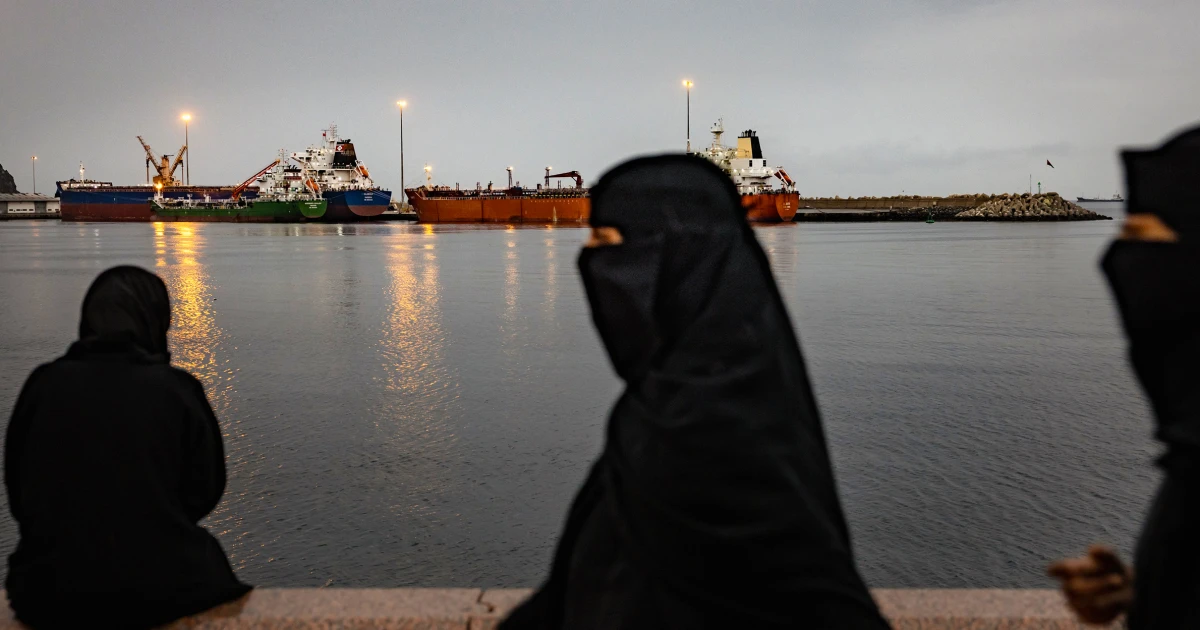
He is one of 20,000 sailors currently trapped on hundreds of vessels in the Persian Gulf, following Iran’s decision to effectively close the Strait of Hormuz in retaliation to recent attacks by the United States and Israel, according to the United Nations Maritime Organization.
Impact on Global Shipping and Maritime Workforce
The blockage of crucial shipping lanes has not only led to skyrocketing global energy prices but has also left a largely unseen workforce stranded at sea, forcing them to spend extended periods away from their families and putting their lives at risk. As noted by the United Nations, the maritime conflict recently resulted in the deaths of at least seven sailors and several serious injuries from an Iranian attack on a commercial vessel.
“The world has relied on these people to keep trade going under impossible circumstances,” stated Angad Banga, CEO of Caravel Group, a Hong Kong-based shipping conglomerate. His company, which manages over 600 vessels, is among those navigating the challenges created by the current crisis.
Struggles of the Maritime Workforce in Crisis
Life at sea has already been difficult for the world’s nearly 2 million seafarers, predominantly from the Philippines, India, and other Asian countries, particularly during the pandemic when stringent border restrictions left them stranded on board for extended periods. Their struggles were further compounded by attacks from Yemen’s Houthi rebels in the Red Sea, leading to fatalities and hostage situations.
“The moment a crisis disappears from the headlines, the world forgets about it, and we need to break that cycle,” Banga emphasized.
Precarious Conditions in the Strait of Hormuz
The International Maritime Organization confirmed 18 incidents involving damage to commercial vessels in the Strait of Hormuz and surrounding waters between early March and mid-March, indicating a concerning trend. In one incident, a Thai-flagged vessel was struck by a projectile, forcing the rescue of 20 crew members while three remain unaccounted for, underlining the real dangers faced by those on the water.
Even for those not directly involved in attacks, the tension remains palpable. Sailors have reported hearing missile strikes for nearly half an hour, counting more than a dozen explosions during recent conflicts.
Maintaining Normalcy Amid Chaos
Inside the Fleet Management’s headquarters in Hong Kong, a vast maritime world map flickers on screens, showing vessels under their management. Typically, around 130 ships traverse the Strait of Hormuz daily; currently, none are navigating this critical route. Several vessels remain stuck, waiting for safer conditions to continue their journeys.
As crews grapple with uncertainty and fear, Banga shared that the company is making efforts to support its sailors by conducting regular check-ins and encouraging leisure activities, including exercise and film viewing, to maintain morale amid the turmoil.
Hope for Non-Hostile Navigation
Despite the ongoing crisis, there are glimmers of hope. Iran has declared intentions to collaborate with authorities to allow “non-hostile vessels” to navigate the Strait of Hormuz safely. Per a letter to the United Nations, Iran’s Foreign Ministry affirmed that the strait remains open for maritime traffic, under the condition that vessels do not support acts of aggression against Iran.
While sailors stranded in Iraqi waters remain anxious to resume their voyages, one sailor noted, “The family is panicking. We packed everything so that we’re ready the moment someone calls.” As tensions in the region fluctuate, the future of maritime transport and the lives of these sailors hang in a precarious balance.
