


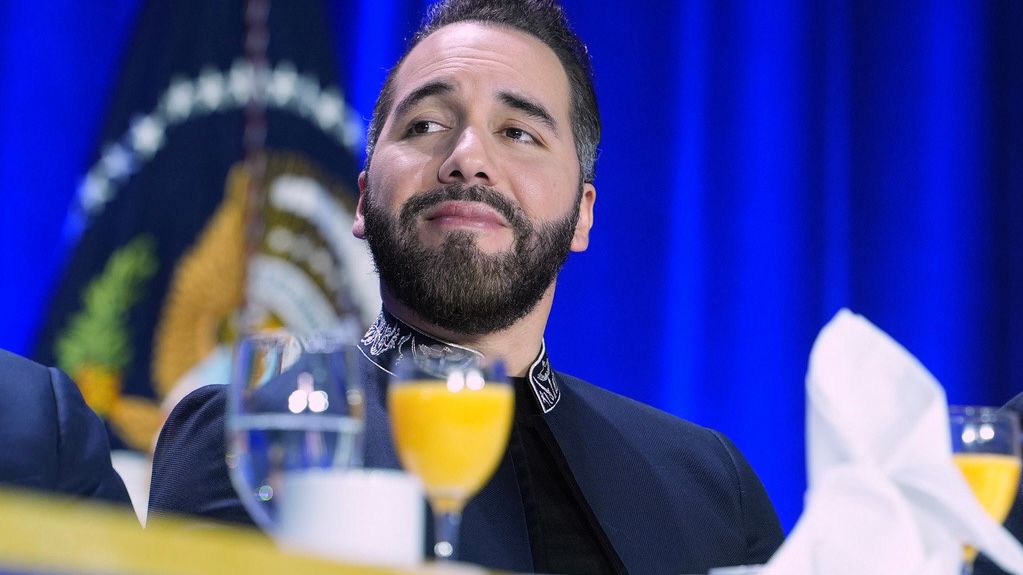
SAN SALVADOR, El Salvador — The number of Salvadorans forcibly repatriated from the United States nearly doubled during the first months of 2026. Official figures reveal that 5,033 individuals were deported, up from 2,547 during the same period in 2025. This sharp increase aligns with President Nayib Bukele’s efforts to present himself as a cooperative ally to the Trump administration, which has prioritized accelerated deportations.
This significant uptick comes as the Trump administration intensifies deportation flights globally, reflecting an overall increase of nearly 98%. From 2024 to 2025, there was a 61% rise in deportation flights, as reported by Asociación Agenda Migrante El Salvador (AAMES) among other organizations.
Due to the U.S. government halting regular publication of deportation statistics, experts have resorted to data and reports from countries like El Salvador for insight. AAMES’s Cesar Rios characterized the rising number of deportations as indicative of the U.S. immigration system’s strengthened foothold in the region.
President Bukele, known for his tough stance on crime, has strategically aligned himself with U.S. President Donald Trump and has engaged with other allies in Latin America to advance shared policies. Unlike Mexico and other Central American nations that have quietly accepted deportations from third countries, Bukele is openly supporting Trump’s initiatives within the region.
In a notable incident in March 2025, Bukele received 238 Venezuelan deportees, purportedly affiliated with the Venezuelan gang Torren de Aragua, and subsequently incarcerated them in a massive prison designated for suspected gang members. This action drew significant condemnation over alleged human rights violations.
The geopolitical landscape shifted following an agreement between the Trump administration and Bukele to accept the extradition and incarceration of foreign criminals in El Salvador. In exchange, the U.S. has committed $6 million to assist with these efforts.
However, the relationship hasn’t been without complications. In April, the Trump administration accidentally deported Kilmer Abrego Garcia, a Salvadoran citizen residing in Maryland under protected status. Bukele’s refusal to return Abrego and the ensuing allegations of assault and torture led to further scrutiny from human rights organizations. Abrego returned to the U.S. in June to face charges related to facilitating illegal immigration, which his legal team contests as baseless.
Most recently, Bukele joined a coalition of right-wing leaders, dubbed “America’s Shield,” aimed at combating organized crime in Latin America, despite the absence of key countries like Mexico and Colombia from the initiative. As debates unfold in the U.S. Supreme Court regarding the termination of protections for numerous immigrants, many Salvadorans with temporary status are left anxious about the potential repercussions.
Since before Trump’s presidency, Bukele has expressed support for U.S. immigration policies. Amid rising pressure from the Biden administration in 2023 to diminish migrant crossings at the southern border, the Salvadoran government instituted a $1,130 fee for travelers from multiple countries traversing its main airport. Consequently, immigration has experienced a decline, fueled by the ongoing conflict against gangs initiated by Bukele’s administration.
Analysts suggest this reduction in emigration may serve as a strategic move by Bukele’s government to mitigate U.S. criticism regarding human rights violations while bolstering his political narrative.
