


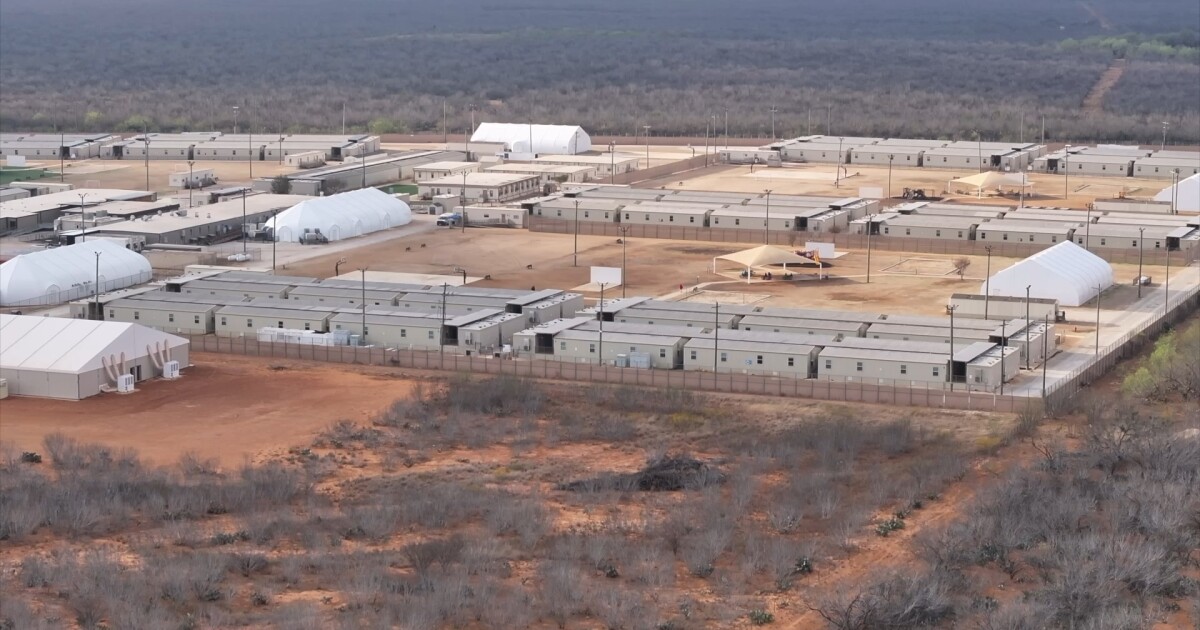
Father and Son Share Disturbing Experiences from Family Immigration Detention Center
A father and son previously detained at the only family immigration detention center in the U.S. are once again voicing their concerns about the medical and living conditions at the Texas facility operated by CoreCivic, a for-profit company. Their testimonies, gathered by legal aid groups during recent visits to the Dilley Immigration Processing Center, an hour south of San Antonio, form part of an ongoing federal lawsuit challenging the prolonged detention of immigrant children.
Testimonies Highlight Deteriorating Conditions
Scripps News has been reviewing these personal accounts as part of a broader investigation, dubbed ICE Corp., which scrutinizes how private companies are exploiting the increased immigration detention policies initiated during the Trump administration. One mother recounted her harrowing experience of being held in Dilley for 113 days with her nine-year-old daughter, stating, “We have become physically and mentally weakened in this place, making it difficult to continue living.” She emphasized the need for mental health support upon their release.
Allegations of Medical Neglect and Poor Treatment
The mother further described a troubling lack of medical care, educational resources, and a distressing environment created by prison guards, particularly concerning treatment of children. “They listen to complaints and say they’ll do something, but they don’t,” her testimony indicated. Her daughter, who suffers from food allergies, fainted twice due to inadequate nutrition.
CoreCivic Responds to Claims of Mistreatment
CoreCivic has categorically denied allegations of neglect or mistreatment, directing Scripps News to a public statement asserting that the company prioritizes the health and safety of detainees. The company criticized what it termed “inaccurate and misleading claims” concerning conditions at Dilley, despite stark discrepancies between its assertions and the detailed accounts emerging from former detainees.
Distressing Health Issues Among Detainees
Testimonies included heartrending accounts of neglect, including that of a detained mother whose two-year-old son suffered an untreated tooth infection, resulting in fever and pain. “She can barely eat anything because of the pain,” the mother lamented. Another mother reported that her nine-year-old daughter with autism was not receiving her medication, leading to a noticeable deterioration in her condition since their detention.
Emotional Trauma among Children and Families
Many detained children express their emotional struggles through art. Parents have accused Dilley staff of destroying their children’s creative efforts. In an affidavit, one mother described an incident where a guard mocked her daughter by tearing her artwork and laughing in her face. CoreCivic vehemently denies such claims.
Legal Action and Continued Concerns for Children’s Welfare
Recent filings also revealed the illness of some detained parents, including a pregnant woman whose hepatitis B was reportedly untreated. “I’m in pain and exhausted,” she stated. Reports from detained children depict rising anxiety levels; one 16-year-old recounted suffering panic attacks and deepening worries about missing critical school days, while a 13-year-old boy expressed sadness over spending holidays away from his father.
Long-Term Detention and Its Implications
Child welfare experts have raised alarms about the trauma caused by prolonged confinement. Under a long-standing Flores federal court ruling, detained children should not be held for more than 20 days in most cases. However, Scripps News has found that many children at Dilley have been detained well beyond this limit, despite a recent decline in overall detention numbers, the reasons for which remain unexplained by DHS or ICE.
The latest data from March indicated that 20 children were held for 50 days, with this number reportedly increasing. DHS declined to respond to inquiries from Scripps News, only reiterating that the facility was designed to ensure comfort for detained families at taxpayer expense.
Mee-Shan Lo, chief lawyer at the National Youth Law Center, visited Dilley recently to assess conditions. “The kids I’ve met are incredibly resilient but frustrated and struggling,” she noted, highlighting the stark contrast between their previous lives and current circumstances. The ongoing court filing aims to convince a judge to mandate the release of families to their homes in the United States while deportation proceedings are underway.
