


Questions Arise After U.S. Airstrikes Targeting Islamic State in Nigeria
Two weeks after the United States launched airstrikes against what it identified as Islamic State militants in northwestern Nigeria on Christmas Day, significant questions linger regarding the specific groups targeted and the operational outcomes.
Trump’s Claims on Operation Against ISIS Fighters
In the wake of the airstrike, former President Donald Trump took to his Truth Social platform to assert that “a scum of ISIS terrorists in northwestern Nigeria who are primarily targeting and brutally killing innocent Christians” had been struck by “many perfect attacks.”
Targeting Laklawa and Its Activities
The operation, executed in partnership with Nigerian forces, aimed at the Islamist group known as Laklawa. This faction has reportedly been extorting local populations, predominantly Muslim, and enforcing stringent interpretations of Sharia law, which includes punishments such as flogging for listening to music.
Uncertainty Surrounding Casualties
Neither U.S. nor Nigerian authorities have released substantial information about the airstrike’s impact, particularly concerning the number of Laklawa fighters that may have been eliminated. On December 25, U.S. Africa Command stated that “initial assessments indicate that multiple ISIS terrorists were killed at an ISIS camp.”
Local Reports and Speculation
Malik Samuel, a researcher affiliated with Good Governance Africa, reported conversations with Laklawa members who claimed that approximately 100 fighters were killed in a forest camp situated in Tangaza, Sokoto state. He also noted that about 200 individuals were reported missing, and many surviving fighters seemed to be attempting to cross into Niger; however, this information remains unverified.
Community Reactions and Wider Implications
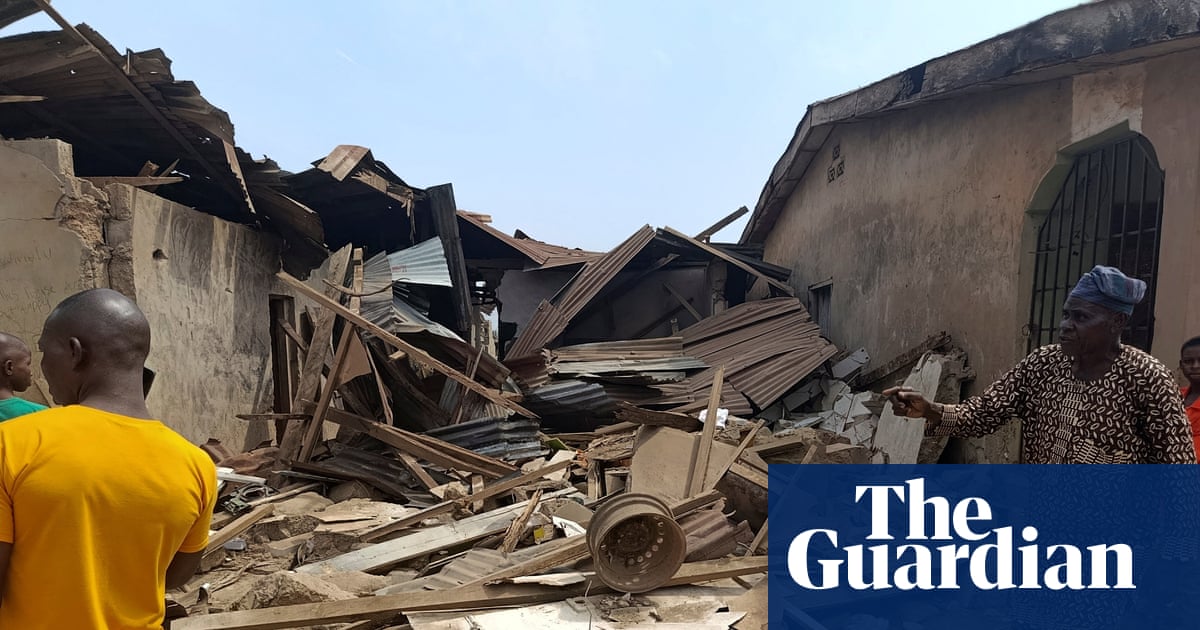
Residents from the village of Nkuru, located roughly nine miles from the alleged camp, informed the BBC that around 15 militants on motorcycles escaped the area. Also, missile debris landed on empty farmland in Jabo, about 90 miles to the south, with locals stating that they had not been targeted by Laklawa previously. In another incident, fragments reportedly damaged a hotel 800 miles south of Tangaza, injuring three employees.
Strategic Choices and the Nature of the Threat
The rationale behind the U.S.’s focus on Laklawa, operating primarily in a predominantly Muslim region near the Niger border, remains unclear. This area has witnessed considerable violence attributed to various armed groups known as bandits. Trump has previously criticized the Nigerian government for its perceived inability to protect Christians, a matter of particular interest to his evangelical supporters. Two U.S. officials disclosed to The New York Times that the airstrike served as a singular action by Trump to demonstrate a commitment to combating a group allegedly responsible for anti-Christian violence.
Context on Laklawa’s Activities and Global Perception
Murtala Abdullahi, a Nigerian security consultant, suggested that targeting Laklawa might be more symbolic than strategic. He questioned the complexity of establishing a direct link between bandit activities and attacks on Christian communities, indicating the challenge in justifying the U.S. focus on this particular group instead of the more internationally recognized Boko Haram. Despite being designated a terrorist organization by Nigeria in January 2025, there remains little consensus on Laklawa, with some analysts linking it to the Sahel branch of Islamic State, while others hear conflicting allegiance claims.
Challenges Beyond Military Engagement
Despite the recent airstrikes, military actions have struggled to comprehensively address the myriad of security issues in Nigeria. Just last week, armed groups reportedly killed over 30 people and abducted several others in Niger state, which included students from a Catholic school previously targeted in a mass kidnapping. Analysts point to systemic governance challenges, poverty, and a significant lack of state presence as key factors enabling these armed groups to operate freely.
