


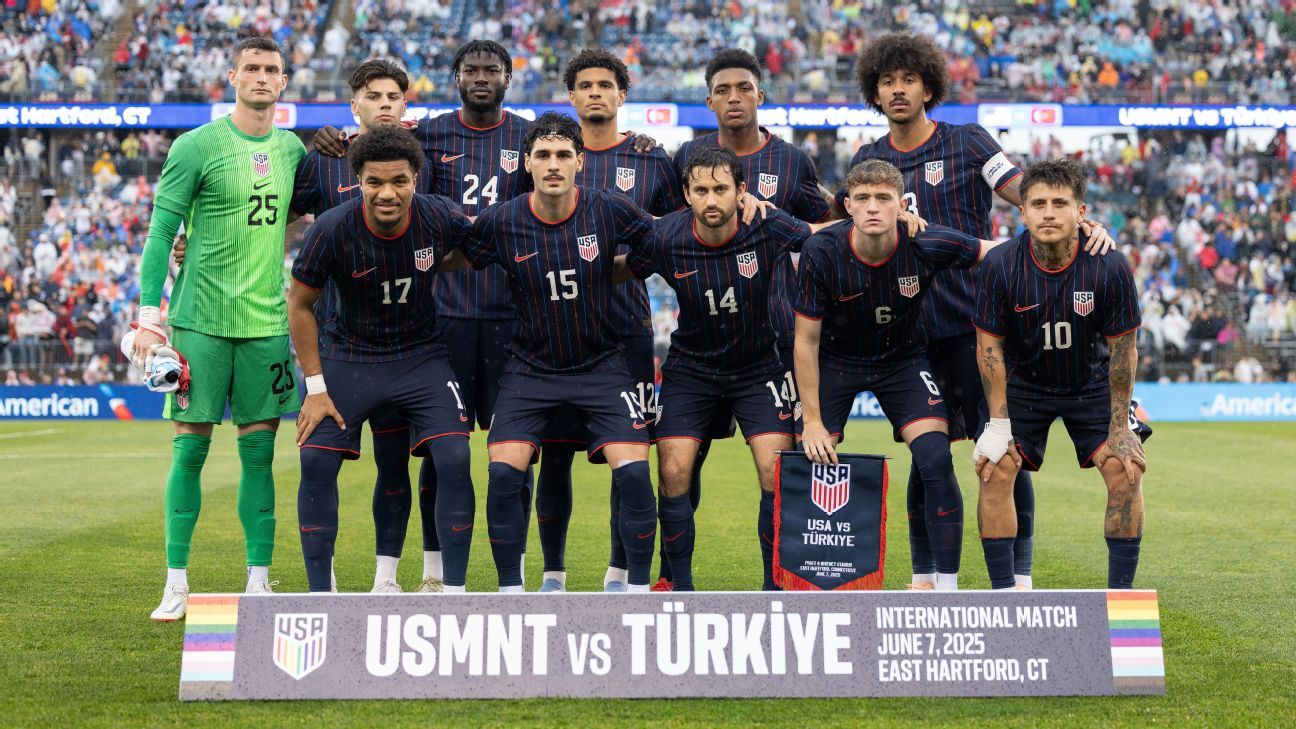
Reflecting on the U.S. Men’s National Team’s World Cup Performance
The U.S. Men’s National Team (USMNT) experienced a mix of highs and lows during the last World Cup, providing a unique opportunity to evaluate its strengths and weaknesses. Top performer Christian Pulisic demonstrated his talent, risking injury to score the decisive goal against Iran in the final group stage match. He was instrumental in producing every U.S. goal in Qatar, leading the team in both expected assists and expected goals, showcasing his crucial role in the squad.
Key Contributions from Star Players
Timothy Weah also shined in Qatar, scoring the opening goal against Wales and highlighting the depth of the competition’s defensive lines. The midfield, composed of Weston McKennie, Yunus Musah, and Tyler Adams, was particularly effective, successfully neutralizing England during the group stage, where the Americans maintained possession high up the field. Full-backs Sergiño Dest and Anthony Robinson emerged as vital contributors, assisting in build-up play and bolstering communication along the backline.
Challenges Facing the U.S. Team
Despite the standout performances from Pulisic, McKennie, and others, the primary limitation for the U.S. in Qatar was their lack of depth. Historical trends indicate that World Cup winners often possess extensive bench strength, a factor the USMNT lacked in the previous tournament. To advance further in the competition, it is essential for key players to perform consistently well; the team must ensure they are adequately supported by a robust lineup.
Examining the Role of Depth at the World Cup
To assess the significance of depth, we analyzed 16 past World Cup semi-finalists. From the tactical evolution seen from 2006 to 2010, it’s evident that the demands of the game have shifted significantly. Teams that have historically excelled at the tournament utilized bench players effectively. Data revealed that the reliance on substitutes, particularly those ranked from 12th to 16th, has increased over the years as managers adapt to a greater understanding of player fatigue and performance management.
A Comparative Analysis of Substitutions
The analysis of average minutes for key players during recent tournaments highlights how depth contributes to success. The percentage of minutes played by 12th to 16th players has grown significantly, emphasizing the evolving role of substitutes in high-stakes matches. For example, teams in the 2022 tournament demonstrated an increased reliance on their broader rosters, which is indicative of adaptive strategies by coaches to navigate the challenges posed by intense competition.
USMNT’s Performance Relative to Finalists
In contrast, the USMNT’s player usage statistics revealed a stark disparity with that of teams like France and Argentina. Key players such as Ream, Adams, and Pulisic logged substantial minutes, yet the limited contributions from bench players highlighted a critical gap in depth. This lack of varied talent options restricted the team’s ability to adapt during crucial matches, limiting their effectiveness compared to the finalists who had a broader rotation available.
Looking Ahead to the 2026 World Cup
There is reason for optimism as we approach the 2026 World Cup. Upcoming matches, including one against Paraguay, are expected to showcase a more robust lineup than what was seen in Qatar. With younger players like Chris Richards and exciting talents like Folarin Balogun set to take the field, the potential for improved performance is great. Additionally, emerging talents from leagues across Europe and the MLS signal that the USMNT is developing a deeper and more competitive roster.
For the U.S. to make a significant impact in the tournament, contributions from bench players will be vital. As the team works toward this goal, expectations abound that the lessons learned from past tournaments will foster a squad ready to leverage depth effectively, positioning the USMNT for a deeper run than ever before.
