


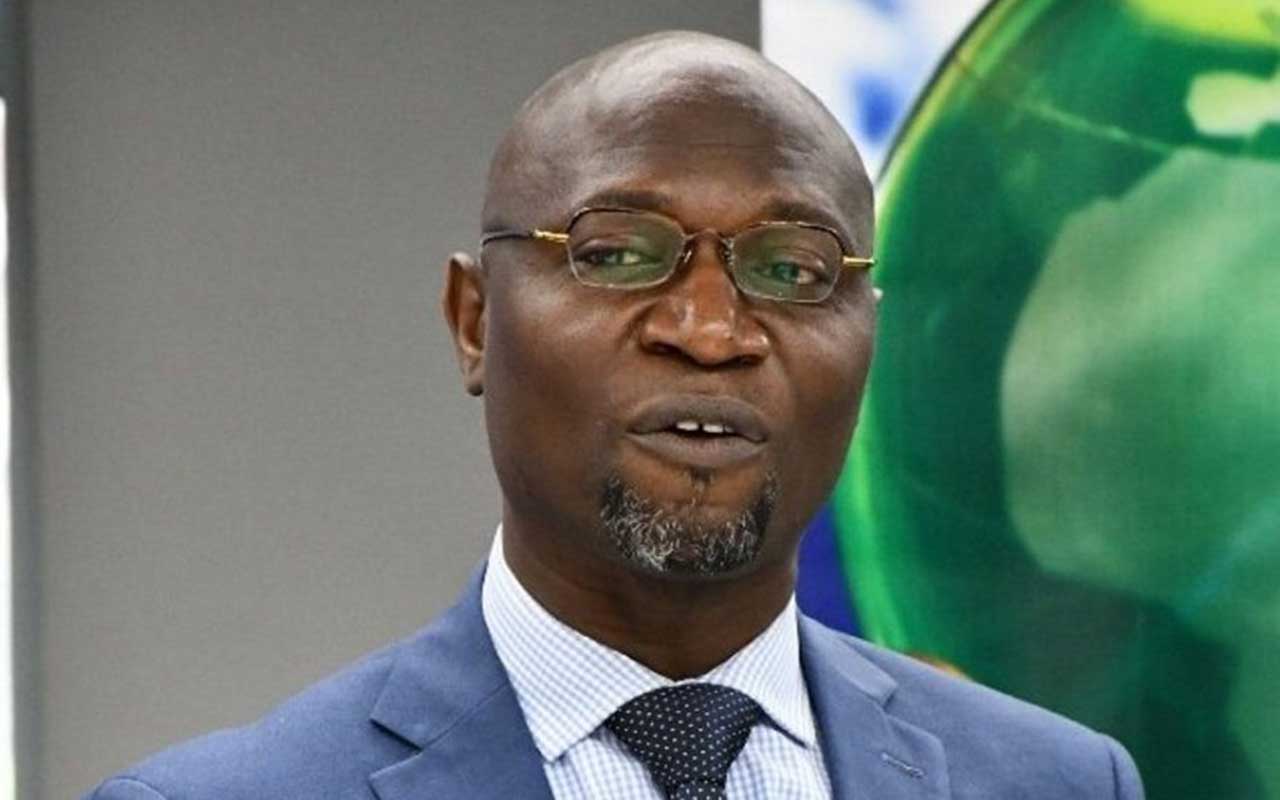
Call for Enhanced Collaboration in Nigeria’s Financial Sector
The Director-General of the Nigerian Securities and Exchange Commission, Emomotimi Agama, has urged key players in the financial sector to collaborate more effectively to unlock the full potential of Nigeria’s capital markets and foster sustainable economic growth.
Regulatory Reforms Yield Positive Outcomes
Speaking at the Emerging Africa Capital Limited Investors Summit and Awards, Agama highlighted the progress of ongoing regulatory reforms. He emphasized that while these initiatives are yielding positive results, a collective effort is essential for achieving lasting impacts in the capital markets.
Investor Interest and Market Transformation
In a statement released on Sunday, he pointed out that reforms—such as the introduction of electronic public offerings, enhancements in fixed-income markets, and the expansion of alternative investment platforms—are beginning to rekindle interest among investors, indicating a transformation in the market’s dynamics.
Undeveloped Market Needs Strategic Focus
Despite these advancements, the SEC DG acknowledged that Nigeria’s capital market is still underdeveloped compared to its potential. He noted that market capitalization as a percentage of GDP continues to trail behind that of peer nations, with retail investor participation remaining notably low and the derivatives market still in its infancy.
Integrative Actions Required for Growth
Addressing these challenges will necessitate concerted action throughout the ecosystem. Agama stressed that vibrant capital markets cannot be built by regulators alone; the entire financial community must fulfill its roles with integrity, competence, and a long-term perspective.
Encouraging Corporate Engagement and Institutional Investment
Agama called upon corporate issuers to leverage capital markets more actively as a primary financing avenue. He encouraged improvements in corporate governance, heightened disclosure practices, and the cultivation of robust relationships with investors to attract institutional capital.
Reassurances for Foreign Investors
He also reassured foreign investors and development finance institutions of Nigeria’s investment climate, committing to a transparent and principled regulatory environment aligned with global best practices. Furthermore, he highlighted the necessity for coordination among various governmental institutions, including the Central Bank of Nigeria and the National Pension Commission, to harmonize policies and present a unified regulatory framework to investors.
Potential for Economic Growth Amid Global Challenges
Nigeria’s capital markets have faced enduring structural challenges, such as low investor confidence, limited product diversity, and weak retail participation. However, recent SEC reforms aim to revitalize the market as a crucial driver of economic growth, particularly in mobilizing long-term finance for infrastructure and private sector advancements. These efforts are unfolding within the context of fluctuating global economic conditions marked by macroeconomic uncertainty and evolving investor preferences. While some emerging and developed markets attract short-term capital inflows, Agama noted that Nigeria presents compelling long-term investment opportunities due to its vast and underutilized economic potential.
He stressed that the choices made by investors and regulators in the near future will significantly impact the extent to which Nigeria can harness these opportunities. Emphasizing historical lessons, he stated that countries that effectively mobilize and allocate capital for productive use have successfully built strong economies. Agama concluded by affirming that Nigeria stands at a pivotal point in its developmental journey.
