


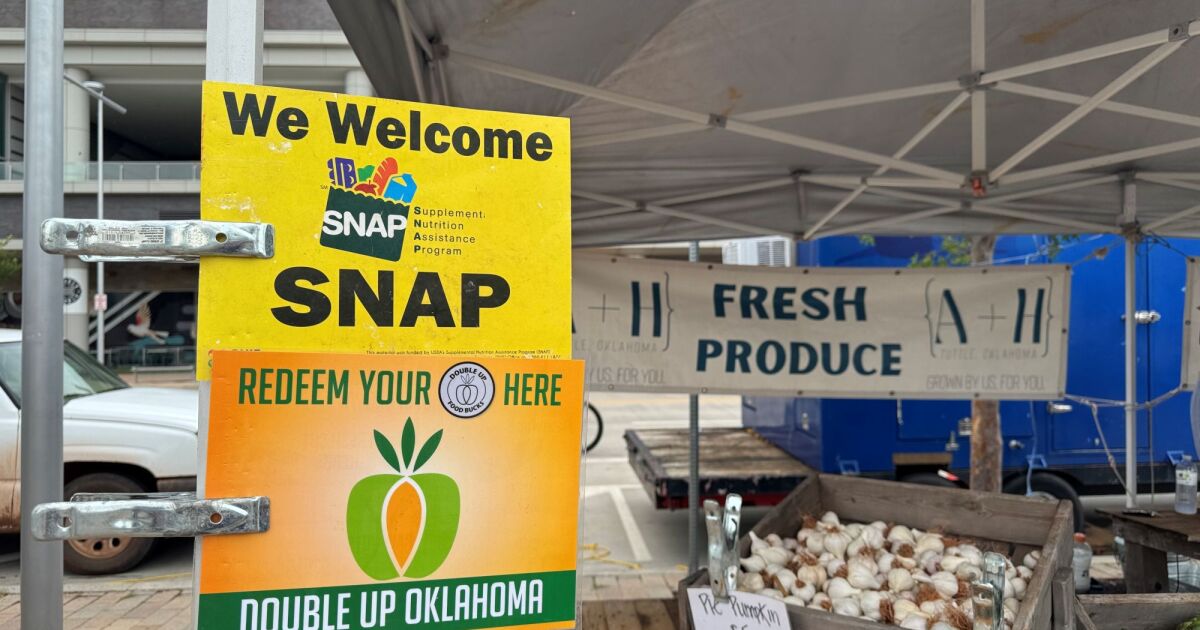
Recent Federal Changes Affect Food Assistance for Immigrants
Significant modifications to federal food assistance policies have resulted in the loss of benefits for some immigrants, particularly refugees and asylum seekers who lack green cards. This alteration arose from President Donald Trump’s One Big Beautiful Bill Act, which excludes these noncitizen groups from participating in the Supplemental Nutrition Assistance Program (SNAP).
While the legal groundwork for these restrictions was laid last July, when Congress and President Trump approved the legislation, states have been rolling out these changes at varying paces. This inconsistency has left many individuals uncertain about their eligibility and the future of their benefits.
U.S. Secretary of Agriculture Brooke Rollins stated that the changes were intended to combat “fraud and waste” within the program. Specifically, the new requirements hold states accountable for error rates, strengthen work obligations, and prohibit undocumented individuals from accessing SNAP. However, it is crucial to note that historically, SNAP has not been available to individuals without legal residency status. According to the latest USDA data, approximately 96% of SNAP users are U.S. citizens, with nearly 90% of recipients being U.S.-born nationals.
Joseph Lobrera, senior director of the Food Research Team at the Center on Budget and Policy Priorities, emphasized that the existing vetting process for refugees and asylum seekers is already stringent. He pointed out that it is these well-documented individuals who are now suffering the consequences of the new law as they navigate their humanitarian journeys.
The Congressional Budget Office estimated that these new provisions could result in as many as 90,000 individuals losing SNAP eligibility each month. Projections suggest that those affected could have received approximately $210 monthly from 2026 to 2034. Some states, including Oklahoma, Missouri, Iowa, Kansas, and Nebraska, began applying these rules last fall, impacting household recertification periods. Recently, Minnesota has also started to implement these changes, while Illinois plans to introduce restrictions on April 1.
Impact on Refugees Seeking Assistance
Historically, the U.S. has provided SNAP benefits to refugees and asylum seekers, but under the new changes, individuals must first secure a green card to access these benefits legally. Julia Gelatt, deputy director of the U.S. Immigration Policy Program at the National Migration Policy Institute, highlighted that the green card application process can take over a year. Additionally, many refugees may face delays or lack necessary support to apply, exacerbating their vulnerability.
Typically, individuals holding green cards must wait five years before applying for food assistance, but this exemption does not extend to refugees and asylum seekers. Gelatt remarked that eliminating their access to SNAP not only undermines their efforts to attain self-sufficiency but also opposes the very principle of support that the U.S. government aims to provide.
Moreover, alongside losing SNAP benefits, refugees and asylum seekers are also facing cuts to other essential services such as Medicaid and the Children’s Health Insurance Program. This picture is further complicated by a proposed federal public charge rule that could influence the legal status of immigrants based on their usage of public benefits. Several state legislatures, including Missouri and Oklahoma, are also moving towards stricter reporting on immigrants applying for food assistance.
Declining Enrollment and Growing Need for Food Assistance
In Iowa, a decline of approximately 6% in SNAP enrollment since last summer has been noted, according to Luke Elzinga from the Des Moines Area Religious Council’s Food Pantry Network. Though the precise reasons remain unclear, it is evident that concerns surrounding immigration status are contributing to this downward trend. Elzinga anticipates this decline will persist, further increasing reliance on food pantries for essential nourishment.
The Des Moines Area Religious Council aims to assist refugees and immigrants who have lost SNAP benefits by connecting them with available resources. Earlier this year, the organization also campaigned against an Iowa bill intended to restrict immigration eligibility for the Women, Infants, and Children Program, which offers food assistance to pregnant women and young children. Fortunately, that bill did not advance.
Elzinga expressed concern over the ongoing changes to SNAP at both the state and federal levels, noting that enrollment in Iowa has reached an 18-year low. With demand for food banks and pantries at an all-time high, he fears that the future holds uncertain outcomes for many vulnerable families navigating these challenges.
This report was created in partnership with Harvest Public Media, which collaborates with public media newsrooms across the Midwest and Great Plains to provide insights into food systems, agriculture, and rural issues.
