


A New Challenger Emerges in America’s Executive Landscape
In a surprising twist in political dynamics, a new figure has taken center stage as a notable challenger within America’s executive landscape.
Harnessing Social Media Amid Internet Restrictions
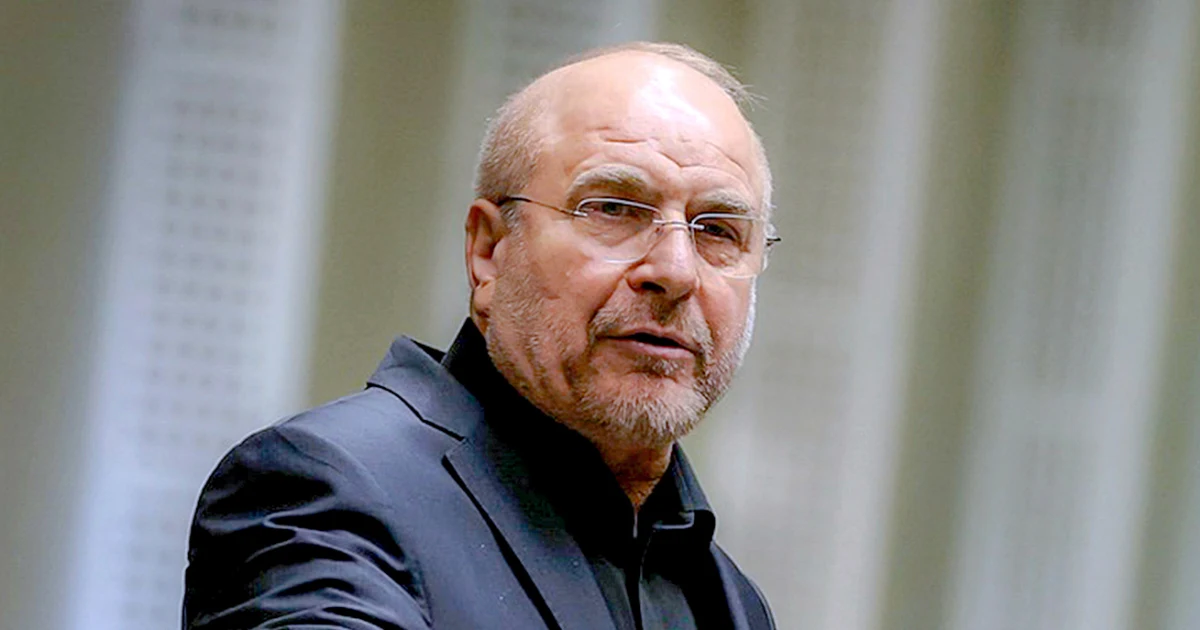
While most Iranians face restrictions on their internet access, some officials, particularly hardliners, are utilizing social media platforms to counteract President Donald Trump’s influence. One prominent figure leading this charge is Parliament Speaker Mohammad Bagher Ghalibaf, who has adopted a strategy reminiscent of Trump’s wartime communications, employing sarcasm and memes in English to challenge the U.S. president’s narratives.
Ghalibaf’s Communication Style and Strategy
At 64, Ghalibaf is notably younger than Trump and embraces a more dynamic, all-caps style of communication compared to the president. Over the past year, Trump has delivered an astounding 6,800 messages, exemplifying a different approach to public discourse.
Information Warfare and Online Tactics
The rise of Ghalibaf’s online presence coincides with a broader information campaign orchestrated by Iran and its allies, which includes the dissemination of memes and AI-generated content that seemingly target U.S. military interests. State-controlled media outlets have joined the fray, mocking both Trump and Israeli Prime Minister Benjamin Netanyahu as part of this intensified online battle.
Warnings and Market Manipulation Accusations
Addressing approximately 500,000 followers on the platform X, Ghalibaf cautioned against relying on so-called pre-market news that he described as often being a ruse designed to facilitate profit-taking. He insinuated that Trump’s messages on Truth Social serve a dual purpose: to influence market dynamics and mitigate the impact of ongoing conflicts on rising energy prices. The U.S. government has firmly rejected allegations of insider trading in connection with these claims.
Ghalibaf’s Unique Position in Iranian Politics
Ghalibaf’s prominence further escalated following the assassination of several senior Iranian officials in U.S. and Israeli airstrikes, paving the way for increased influence by the Revolutionary Guards, a powerful military and economic faction. As a former member of the Guards, Ghalibaf is also perceived as an ally of the late Supreme Leader Ayatollah Ali Khamenei’s son, further entrenching his role within the current political framework.
Contradictions in Public Messaging
Despite occasional conciliatory gestures, Ghalibaf’s public stance towards Trump remains hostile. In recent comments marking the anniversary of the Iran-Iraq War, he insinuated that Iran was prepared for direct confrontation should American troops become involved, while simultaneously critiquing Trump’s attempts to manipulate the oil market using public communications.
Adapting Messaging for Domestic Audiences
Interestingly, Ghalibaf has tailored his messaging to resonate with audiences both domestically and internationally. He has expressed solidarity with movements in the U.S. that hark back to the Iranian revolution of 1979, echoing sentiments of anti-imperialist unity. As a relatively hardline figure, he nevertheless shows pragmatism when confronting varied political opponents, exemplifying a nuanced approach to both foreign and domestic policy.
Limited Internet Access and Information Control in Iran
According to NetBlocks, Ghalibaf is among the small percentage of Iranians with internet access, illustrating the restrictive nature of online environments under the current regime, where only state-affiliated organizations are permitted to operate online. This context shapes the battleground for political discourse, as Ghalibaf navigates the complexities of communication in a highly controlled environment.
