


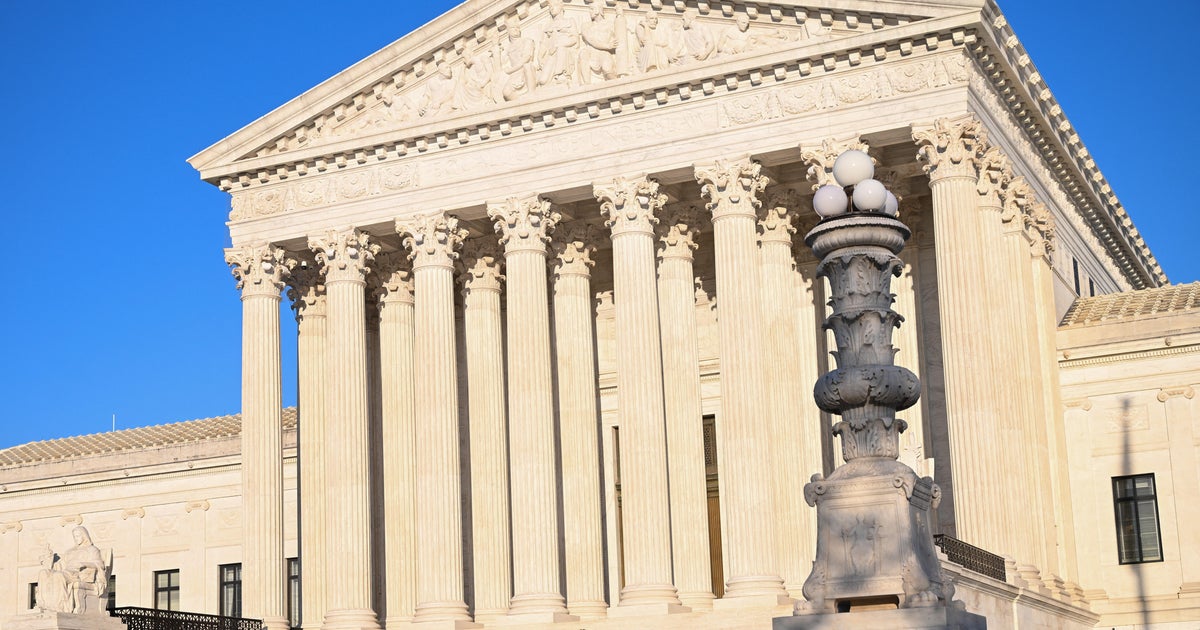
Trump to Attend Supreme Court Hearing on Birthright Citizenship
President Trump is poised to visit the Supreme Court on Wednesday as the justices deliberate on his executive order aimed at abolishing birthright citizenship—a pivotal aspect of his immigration agenda.
Historic Attendance by a Sitting President
According to the White House’s schedule, Trump will be present for oral arguments at 10 a.m., marking a historic moment as he becomes the first sitting president to attend Supreme Court proceedings in person, unless unforeseen circumstances arise to change those plans.
Hints of Presidential Intent
Earlier on Tuesday, the president suggested to reporters that he intended to be in attendance. This is not the first time Trump has contemplated such a visit; last year he expressed a sense of obligation to attend a hearing regarding the legality of global tariffs, though he eventually opted not to participate, stating on Truth Social that he did not wish to detract from the significance of the decision.
Significance of Trump v. Barbara
Trump’s appearance at the arguments in the case of Trump v. Barbara underscores its importance to him. Shortly after returning to office last year, he issued an executive order that seeks to prevent U.S.-born children of illegal immigrants and those temporarily in the U.S. from automatically acquiring American citizenship.
Legal Challenges to the Executive Order
This executive order has yet to take effect due to a series of legal hurdles. Critics argue that the order contradicts the Citizenship Clause of the Fourteenth Amendment, which asserts that “all persons born or naturalized in the United States and subject to its jurisdiction are citizens of the United States.” This interpretation has long been seen as granting citizenship to almost everyone born on American soil, regardless of parental immigration status, with only a few specific exceptions.
Arguments Surrounding the Fourteenth Amendment
Trump administration officials contend that the Fourteenth Amendment, established post-Civil War, has been misconstrued. They argue that the citizenship clause was meant specifically to grant citizenship to former slaves and their descendants, not to the offspring of temporary or undocumented migrants.
Supreme Court’s Upcoming Consideration
Last year, the Supreme Court addressed a case regarding Trump’s birthright citizenship executive order, albeit without directly assessing the order’s merits. Instead, the focus was on whether a judge’s injunction against this policy was overly broad. This time, however, the High Court is set to directly examine the constitutional implications of the presidential order, with a decision expected by July.
The Court’s Conservative Leaning
The Supreme Court currently holds a 6-3 conservative majority, with Trump’s appointed justices making up one-third of the bench. Nonetheless, the justices have recently ruled against the Trump administration multiple times, prompting backlash from the president, who criticized certain conservative judges as a “disgrace to the family” after they rescinded many of his tariffs. Following this ruling, Trump took to Truth Social to predict that “this Supreme Court will reach the wrong conclusion” regarding the birthright citizenship case as well.
