


Demonstrations and Public Events Mark Busy Day in London
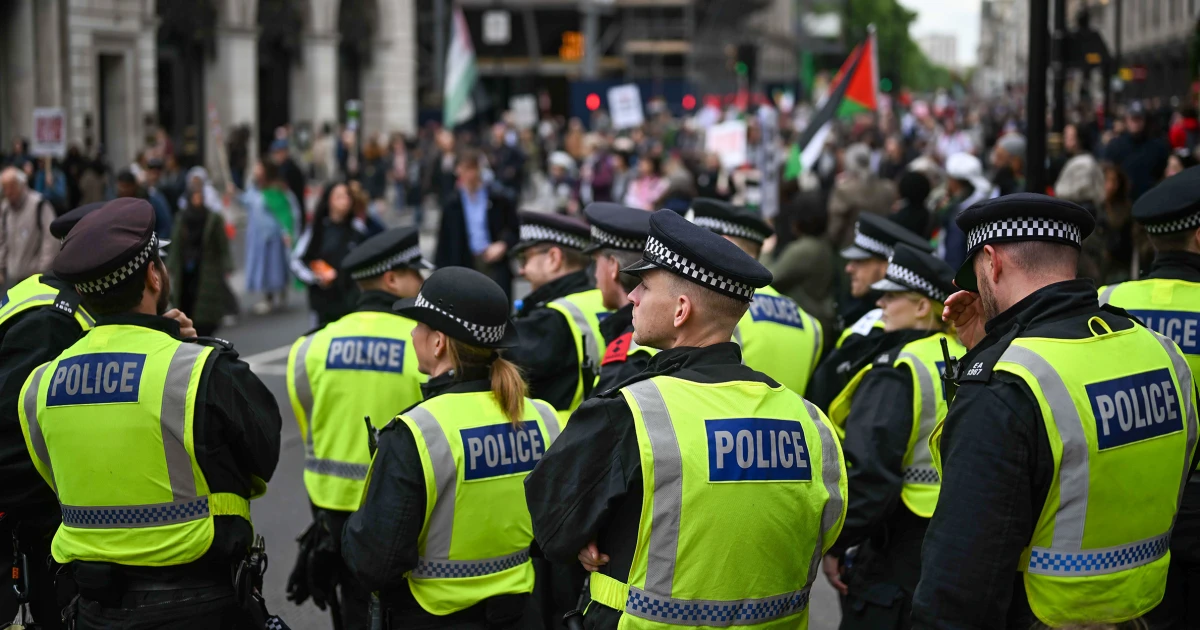
On Saturday, London saw a significant police presence as tens of thousands gathered for two competing demonstrations, alongside a large turnout of soccer fans attending the final of England’s prestigious domestic cup competition at Wembley Stadium.
The Metropolitan Police prepared for potential clashes by deploying armored vehicles, police horses, drones, helicopters, and at least 4,000 officers, with additional personnel on standby to maintain order.
Authorities were monitoring the situation closely, particularly as one of the marches was led by far-right activist Stephen Yaxley-Lennon, widely known as Tommy Robinson. Meanwhile, another demonstration commemorated the Nakba, which signifies the displacement of approximately 700,000 Palestinians following the establishment of Israel in 1948.
Incidents Remain Limited Amidst High Alert
As of early afternoon, police reported 31 arrests for various offenses, though no significant incidents had occurred thus far. A spokesperson from the Metropolitan Transport Authority noted the relatively peaceful nature of both events despite the high number of arrests.
The events took place amid a politically charged atmosphere in the UK, following recent elections that aligned extreme factions from both the left and right. Protesters expressed a range of grievances, including frustration over the influx of asylum seekers crossing the English Channel and strong opposition to Israeli actions in Gaza, which have reportedly led to over 72,700 fatalities.
As the day progressed, police remained vigilant, particularly regarding interactions between different groups of demonstrators to preclude any escalation of tensions.
Entry Restrictions and Legal Measures Enforced
In line with security measures, prosecutors have been tasked with assessing whether certain protest materials—such as placards, banners, and slogans shared on social media—might violate laws against inciting hatred. Crown Prosecution Service Director Stephen Parkinson emphasized that these measures are not aimed at stifling free speech but at safeguarding the public during sensitive periods.
The UK government recently barred 11 foreign nationals from entering the country due to their participation in the “Unite the Kingdom” rally. Notable figures included Polish politician Dominik Tarczynski, Belgian politician Philippe De Winter, and Dutch activist Eva Vlaardingerbroek.
Prime Minister Keir Starmer articulated a commitment to preventing individuals who promote hatred and violence from entering the UK, stating that those who threaten public order would face stringent legal repercussions. This sentiment was echoed during his visit to the Metropolitan Police’s headquarters the day before the rally, where he discussed security arrangements with key officials.
For the first time, live facial recognition technology was employed during a protest policing operation, with cameras installed in North London to monitor potential attendees of the “Unite the Kingdom” march.
Meanwhile, the police presence extended to Wembley, where they hoped to ensure a safe environment for the FA Cup final between Chelsea and Manchester City, anticipating around 90,000 fans to attend.
