


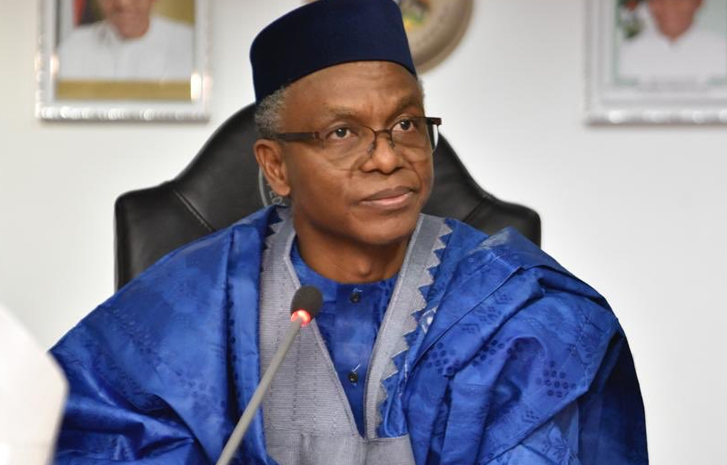
Court Adjourns Bail Hearing for Former Governor El-Rufai
A Federal High Court in Abuja has postponed the bail application hearing for former Kaduna State Governor Nasir El-Rufai until Wednesday. This decision arises amid emerging concerns regarding the legality of his recent release from the Independent Corrupt Practices and Other Related Offenses Commission (ICPC), as his bail application remains pending in court.
Following the court session, ICPC officials re-arrested El-Rufai directly on the court premises, detaining him until the court reaches a decision on his bail request. This situation has intensified scrutiny surrounding his prior release last Friday, which occurred shortly after the announcement of his mother’s passing, raising questions about the appropriateness of such a release in light of ongoing judicial proceedings.
The rapid sequence of events has sparked criticism from various quarters, including the legal community and the general public. Concerns have been voiced over the legality of what some are calling an extrajudicial release, with prominent figures demanding clarity on the procedures that authorized his temporary freedom.
During Tuesday’s hearing, the defense attorney argued for El-Rufai’s bail, stating, “Your Honor, the defendant has shown respect for this court and has no intention of avoiding justice. We ask the court to exercise its discretion in the defendant’s favor.” In response, the prosecution firmly opposed the motion, emphasizing the seriousness of the charges against the former governor.
ICPC lawyers maintained that the allegations are grave and warrant careful consideration when evaluating bail requests. Outside the courtroom, critics have continued to express apprehension about what they perceive as extrajudicial actions by anti-corruption agencies in Nigeria.
Legal experts have pointed out that this incident highlights significant discrepancies in the nation’s approach to justice. Lawyer Inibehe Effiong asserted the necessity for transparency regarding how individuals whose bail is appropriately withheld are released without a judicial determination. This sentiment encapsulates broader concerns about due process and accountability.
Veteran journalist Ruben Abati characterized the circumstances surrounding El-Rufai’s release as alarming, questioning its legal and ethical foundations. He described the decision for a “temporary and compassionate release” as both dubious and a potential abuse of due process, particularly given that El-Rufai was detained under a legitimate court order. Abati added, “Many are questioning this, especially since Mr. El-Rufai claims to be a victim of political persecution.”
As this story develops, no official clarification has been provided by either the ICPC or the Office of the Attorney General regarding the circumstances of El-Rufai’s release. Justice Joyce Abdulmalik concluded the session by scheduling the next hearing for Wednesday, emphasizing the importance of resolving the bail application. The ongoing controversy surrounding this case seems poised to continue influencing public perception, particularly regarding trust in the legal system and its ability to uphold the rule of law without bias toward influential figures.
