


Experience from a Lunar Pioneer for Artemis II Astronauts
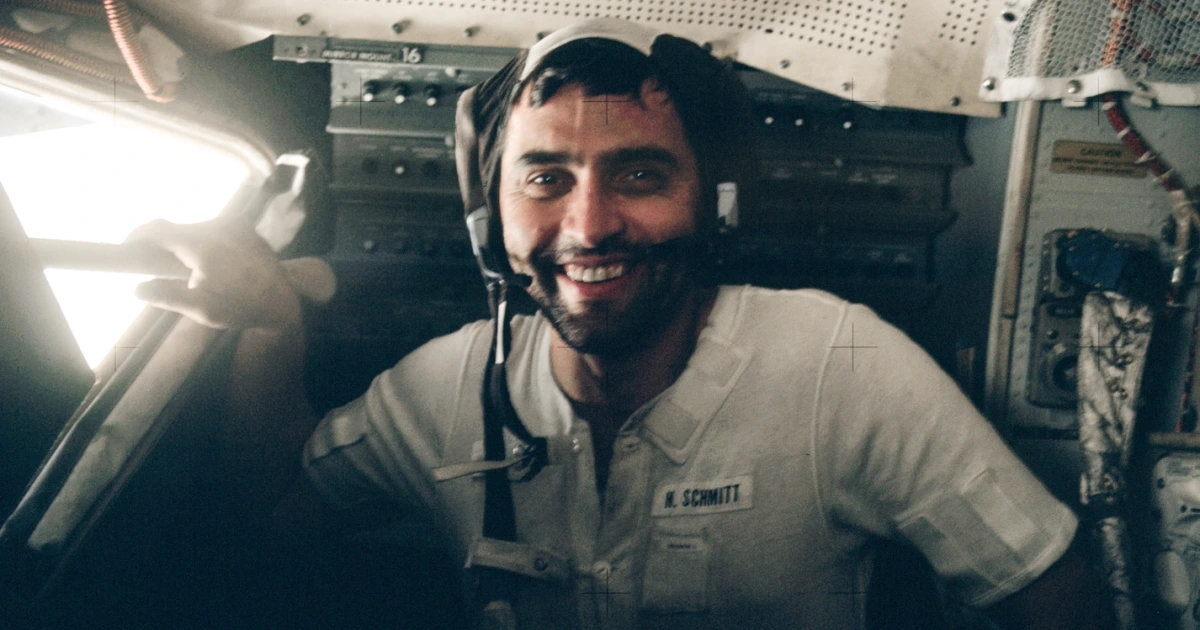
Harrison Schmidt offers invaluable insights as NASA prepares for its Artemis II mission, set to launch Wednesday night. Having left his mark on the moon in 1972 as part of the Apollo 17 mission, Schmidt has firsthand experience that could guide the upcoming crew on their lunar journey.
At 90 years old, Schmidt reflects on his past while eagerly supporting the new generation of astronauts. The Artemis II mission, scheduled to lift off at 6:24 p.m., aims to open new pathways for lunar exploration, with plans to orbit the moon as a precursor to a crewed landing in 2028. This vision echoes the trajectory set by Apollo 8, which successfully orbited the moon before the historic Apollo 11 landing.
Schmidt anticipates that the Artemis II astronauts will witness some of the same breathtaking vistas he beheld over 50 years ago. He describes space exploration as an unending adventure, emphasizing the new experiences that each moment in space provides.
In his advice to the Artemis II crew, Schmidt underscores preparation: “Train well. Be ready for the unexpected. And don’t forget to enjoy it.” This guidance is especially relevant in today’s competitive landscape, where NASA finds itself not only against the backdrop of historical rivalries with the Soviet Union but also competing with China, which has aspirations of landing its own astronauts on the moon by 2030.
During the Apollo 17 mission, Schmidt and his team spent just under 13 days in space, including three full days on the lunar surface. They drove a lunar rover over 30 kilometers—the longest distance yet traveled on the moon—and returned with a record 243 pounds of geological samples.
Vivid memories remain with Schmidt of entering lunar orbit on the moon’s far side, where darkness shrouded their approach. He recalls a striking moment: “As we landed, the sun was just beginning to rise on the eastern side. The contrast of light and shadow on the moon was breathtaking, especially as Earth’s light cast a bluish hue.” Unlike the Apollo crews, the Artemis II astronauts will have the advantage of enhanced visibility of the far side of the moon, which has remained largely unexplored by human eyes.
Mission commander Reed Wiseman recently noted that lunar lighting conditions meant that around 60% of the moon’s far side has never been seen by humans. This revelation sets the stage for unprecedented discoveries in the Artemis era, expanding our understanding of the moon’s geography.
Following the conclusion of Apollo 17, the U.S. shifted its focus from lunar exploration to building a presence in low Earth orbit, particularly with the International Space Station. In contrast, NASA’s Artemis program seeks to establish a long-term lunar presence, using the moon as a gateway to Mars with aspirations of setting up a sustainable lunar base. Schmidt believes future generations may live on the moon for extended periods, hinting at a vision of human settlement beyond Earth.
As history unfolds, Schmidt fondly recalls the sentiments of Captain Gene Cernan, who famously stated upon leaving the moon, “We depart as we came, and, God willing, we will return with peace and hope for all mankind.” With Artemis II, NASA aims for a milestone that could take the astronauts farther from Earth than any previous crew. Schmidt emphasizes the importance of this mission not just for exploration, but as a national imperative, especially in light of global competition in space.
