


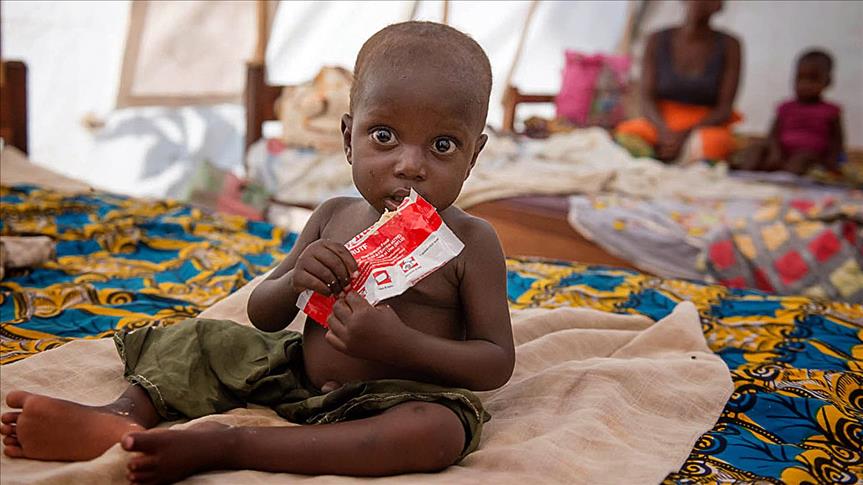
Severe Health Warnings for Africa Highlight Urgent Needs
Last week, the global health community received two stark warnings emphasizing the urgent need for attention to Africa. UNICEF released a report on December 1, predicting that by 2040, 1.8 million children could die annually unless current underfunding and inadequate health systems are addressed promptly.
Call for Renewed Commitment to HIV Eradication
Shortly thereafter, the World Health Organization (WHO) and the United Nations Program on HIV/AIDS (UNAIDS) urged African nations to renew their political commitment to eradicate HIV. They highlighted a troubling slowdown in investments in prevention, treatment, and public health initiatives across the continent.
Alarming Trends Point to Potential Health Catastrophe
These warnings collectively illustrate a looming health crisis that is both avoidable and unwarranted. Africa is equipped with the necessary knowledge, science, and technology to support the well-being of its children and youth; what is lacking is sustained political will, strategic investments, and a focus on human lives over short-term political gains.
Setbacks in Child Health Progress
UNICEF’s report serves as a compelling, data-driven alarm, reflecting current trends. This prediction is particularly concerning given the impressive strides made in reducing child mortality over the past two decades. Increases in vaccination coverage, reductions in malaria-related fatalities, and improvements in neonatal and maternal health interventions are notable achievements.
The Threats of Poverty and Climate Change
Unfortunately, these hard-won gains are now under threat. Child health programs suffer from unstable funding, vaccine hesitancy fueled by misinformation is on the rise, and climate change exacerbates malnutrition, disease outbreaks, and displacement. Poverty is intensifying in various regions, driven by conflict, inflation, and economic instability, pushing families into even greater vulnerability.
Demographic Pressures and Overshadowing Health Systems
Africa’s rapidly growing population means more children will be born into a system already strained by funding challenges. UNICEF’s projections reveal that without urgent interventions, the continent risks undoing two decades of progress in child health. Alarmingly, the leading causes of child mortality—malaria, pneumonia, diarrhea, malnutrition, and childbirth complications—are largely preventable with known solutions.
Linking Child Health and HIV Epidemic
Amid shifting global priorities, Africa continues to shoulder the heaviest burden of HIV. According to WHO and UNAIDS, the momentum toward eradicating HIV has stagnated, with many African nations failing to stay on track for the 2030 goal of eliminating AIDS as a public health threat. This is particularly concerning for a continent that accounts for two-thirds of new HIV infections. The evidence suggests that progress is achievable, as antiretroviral therapy (ART) is effective, and strategies like prevention of mother-to-child transmission and pre-exposure prophylaxis (PrEP) have proven successful.
Immediate Action Required from African Governments
At the core of both crises is the troubling decline in global funding and domestic investment. Donor fatigue is increasingly apparent, influenced by conflicts and economic instability around the world. African nations cannot continue depending solely on outside support to secure the health and future of their children. The warnings from UNICEF, WHO, and UNAIDS signal a critical need for African leaders to take charge of their health challenges.
Strengthening Health Systems through Political Commitment
Primary health care serves as the backbone of resilient health systems but remains a vulnerable aspect in many African countries. Rural areas frequently lack accessible clinics, and many mothers give birth without skilled attendants. To mitigate avoidable deaths, political commitment is essential, along with trained community health workers, reliable drug supply chains, and consistent funding.
Addressing Holistic Health Objectives
The health of children and the HIV epidemic are closely interlinked. A rising number of new HIV infections are among adolescents, while children born to HIV-positive mothers face significant risks if they lack proper care. The challenges faced by communities affected by HIV extend beyond health, often resulting in weakened family and economic structures that increase children’s vulnerability to malnutrition and disease. Therefore, addressing HIV is intrinsically connected to child welfare and is integral to building a more equitable health system.
Funding Priorities for a Healthier Future
African governments must act decisively to avert the bleak future projected by UNICEF and to rejuvenate the HIV response highlighted by WHO and UNAIDS. Countries like Nigeria should prioritize health in their national budgets, adhering to the Abuja Declaration which calls for at least 15 percent allocation to the health sector. Access to primary health care must be enhanced, ensuring every region is equipped with functional clinics, trained personnel, and dependable supply chains.
Leveraging Technology and Addressing Misinformation
Restoring and expanding HIV programs, particularly for young people, pregnant women, and underserved communities, is essential. Moreover, leveraging digital health tools, telemedicine, and real-time disease monitoring can further strengthen health systems. Countering misinformation regarding vaccines and HIV prevention should be prioritized through coordinated public campaigns. Improving water, sanitation, and nutrition programs is also crucial for child survival, along with incorporating climate resilience into health policies to confront the burgeoning impacts of climate change on disease, displacement, and food security.
The Consequences of Inaction
The forecast of 1.8 million child deaths by 2040 represents not just a humanitarian crisis but a serious threat to Africa’s future. A nation cannot thrive while its children succumb to preventable diseases, nor can an economy flourish if its workforce is impacted by chronic illness. Stability within societies is unattainable if young people are stripped of their basic health rights.
The Urgent Call to Action
As the HIV epidemic fades from global headlines, it remains a pressing reality in many African homes and communities. The elimination of HIV is not merely a health objective but a moral imperative and a requirement for sustainable development. History will judge how today’s leaders respond to these urgent warnings. The choice before Africa is clear: to act swiftly and decisively or to allow millions of children and families to endure unnecessary suffering. The time for rhetoric has passed; what is needed now is bold, strategic action to save lives.
